

Lithium-Ion Battery Nanomaterial Material Handling Conveyor Line: What It Is and Its Design Principl
Efficient material handling is a critical component in the production of lithium-ion batteries, particularly when dealing with nanomaterials that require precise control and minimal contamination. A specialized conveyor line designed for this purpose plays a pivotal role in ensuring the quality and consistency of the final battery products. This article explores the concept of a lithium-ion battery nanomaterial material handling conveyor line and delves into its underlying design principles, highlighting the technological advancements and operational benefits that make it an essential asset in modern battery manufacturing.
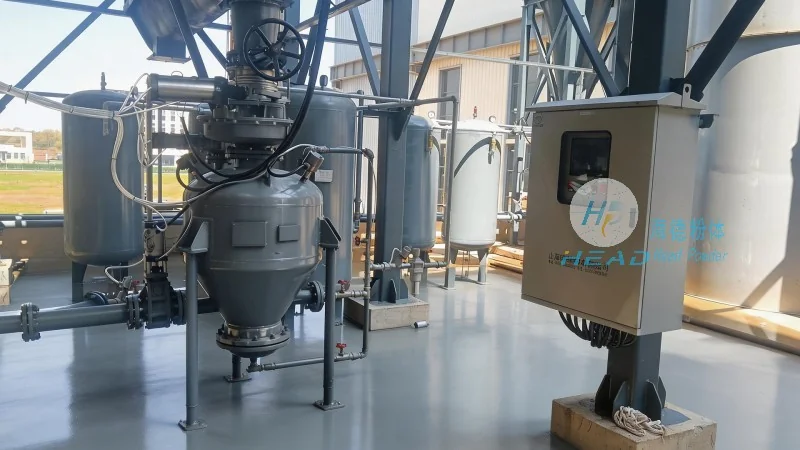
Understanding the Lithium-Ion Battery Nanomaterial Material Handling Conveyor Line
The lithium-ion battery nanomaterial material handling conveyor line is a sophisticated system engineered to transport and process nanomaterials used in the production of lithium-ion batteries. These materials, such as active materials like lithium cobalt oxide (LiCoO₂), lithium iron phosphate (LiFePO₄), or other nano-scale powders, demand a high degree of precision in handling to prevent agglomeration, contamination, or degradation. The conveyor line integrates various components, including feeding mechanisms, conveying systems, and control units, to achieve seamless material flow from raw material storage to the next processing stage.
Key features of this conveyor line include dust-proof and explosion-proof designs, which are crucial in environments where flammable nanomaterial powders are handled. The system often incorporates advanced sensors and automation controls to monitor and adjust the material flow in real-time, ensuring optimal performance and safety. Additionally, the conveyor line is designed to minimize material loss and maintain a consistent particle size distribution, which directly impacts the battery's performance and cycle life.
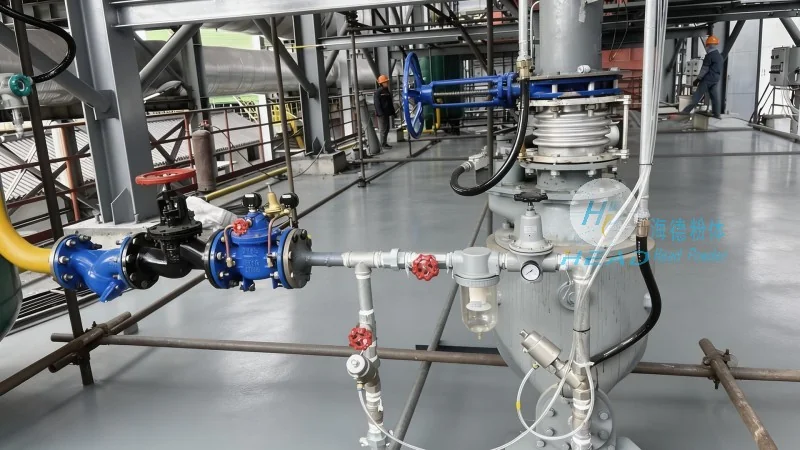
About Shandong HeadPowder Engineering Co., Ltd.
Shandong HeadPowder Engineering Co., Ltd., commonly known as HeadPowder, is a leading manufacturer specializing in engineering solutions for material handling and processing in the battery and nanomaterial industries. With a strong commitment to innovation and quality, HeadPowder has established itself as a trusted partner for companies seeking reliable and efficient conveyor systems. The company's expertise lies in designing and manufacturing customized material handling solutions that meet the unique requirements of lithium-ion battery production, ensuring high productivity and product quality.
HeadPowder's team of engineers and technicians leverages years of experience and cutting-edge technology to develop conveyor lines that are tailored to the specific needs of each client. The company adheres to strict quality control standards and provides comprehensive after-sales support, including maintenance and technical assistance, to ensure the long-term reliability of its products. Based in Shandong, China, HeadPowder serves a global market, supplying conveyor systems to battery manufacturers worldwide.
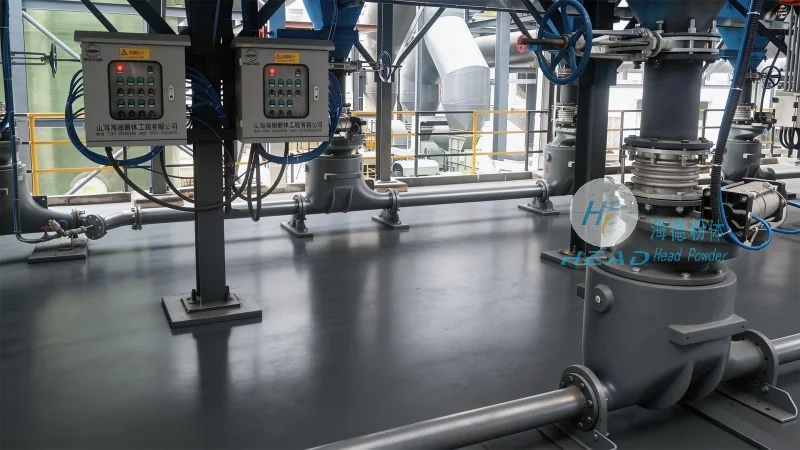
Design Principles of the Conveyor Line
The design of a lithium-ion battery nanomaterial material handling conveyor line is guided by several fundamental principles aimed at optimizing performance, safety, and efficiency. One of the primary principles is the minimization of material contamination and degradation. This is achieved through the use of sealed and enclosed conveyor systems that prevent exposure to air, moisture, or other contaminants. The conveyor components are typically made of non-corrosive materials, such as stainless steel or specialized plastics, to avoid chemical reactions with the nanomaterials.
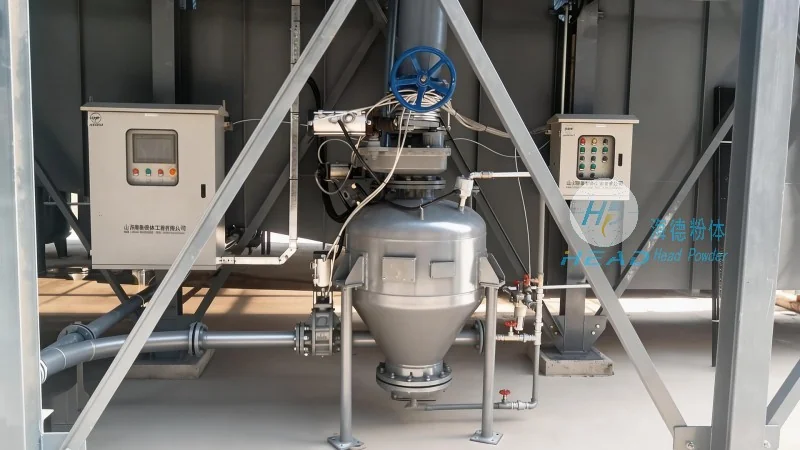
Another critical design principle is the control of particle size and distribution. The conveyor line incorporates mechanisms like vibrating feeders, screw conveyors, or pneumatic transport systems that can adjust the flow rate and particle size of the nanomaterials. This ensures that the material reaches the next processing stage with consistent properties, which is essential for uniform battery performance. The design also emphasizes energy efficiency, with motorized systems that operate at optimal speeds to reduce power consumption while maintaining high throughput.
Furthermore, the conveyor line is designed with safety as a top priority. This includes features such as emergency stop buttons, overload protection, and explosion-proof certifications. The system is also equipped with monitoring sensors that detect any abnormalities, such as blockages or excessive temperature, and trigger automatic shutdowns to prevent accidents. The ergonomic design of the conveyor line, including accessible control panels and maintenance points, ensures that operators can efficiently manage the system while minimizing the risk of injury.