

What is Mung Bean Material Handling? What Are the Design Principles?
Understanding the principles behind mung bean material handling is crucial for optimizing processing efficiency and ensuring product quality. As a specialized engineering company, Shandong HeadPowder Engineering Co., Ltd. focuses on delivering tailored solutions that address the unique challenges of handling mung beans and similar bulk materials.
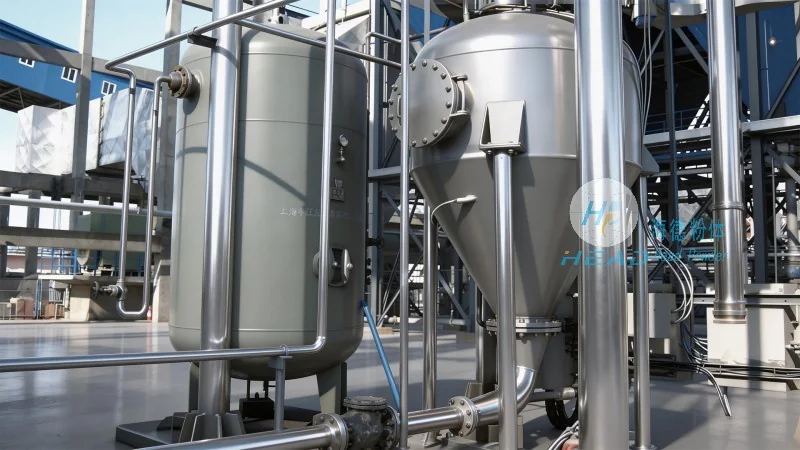
Introduction to Mung Bean Material Handling
Mung bean material handling refers to the processes and systems used to move, store, and manage mung beans from the point of arrival to the point of processing or packaging. This involves a series of operations that ensure the beans are handled gently to preserve their quality, while also enabling efficient transfer between different stages of production. The design of these systems must consider factors such as the physical properties of mung beans, the scale of operations, and the overall workflow of the processing facility.
Key Design Principles for Mung Bean Handling Systems
The design of mung bean material handling systems is guided by several fundamental principles aimed at maximizing efficiency, minimizing damage to the product, and ensuring operational safety. One of the primary considerations is the use of equipment that minimizes impact and friction during transport. This is critical because mung beans are delicate and can be easily bruised or cracked, which affects their market value and nutritional quality. Therefore, systems often incorporate features like smooth conveying surfaces, gentle inclines, and soft start/stop mechanisms to protect the beans.
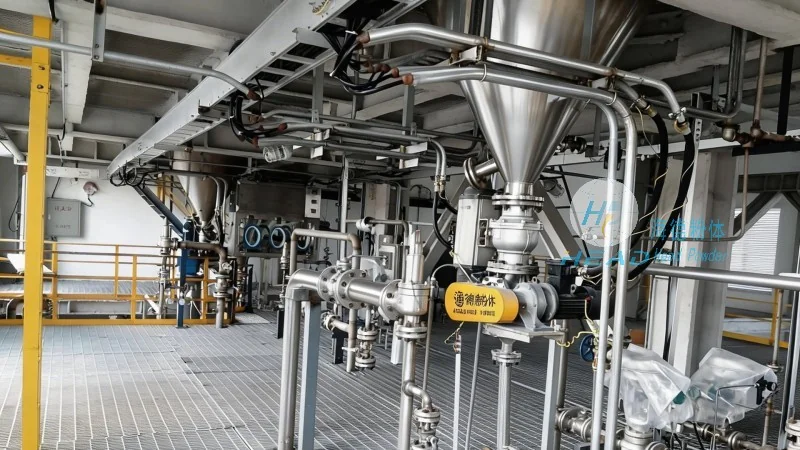
Another key principle is the integration of the material handling system with the overall processing line. This ensures a seamless flow of materials, reducing bottlenecks and improving throughput. For example, a conveyor system might be designed to connect directly to a cleaning or sorting unit, allowing for immediate processing without the need for manual handling. This integration also facilitates better inventory management by providing real-time tracking of the beans as they move through the facility.
Components of a Typical Mung Bean Material Handling System
A comprehensive mung bean material handling system typically includes several key components, each playing a vital role in the overall operation. The primary components often include conveyors, hoppers, storage silos, and control systems. Conveyors, such as belt or screw conveyors, are used to transport the beans horizontally or vertically. Hoppers are used to store and feed the beans into the conveyors, while storage silos provide bulk storage for larger quantities. Control systems, often equipped with sensors and automation, monitor the flow of materials and adjust the operation of the equipment as needed.
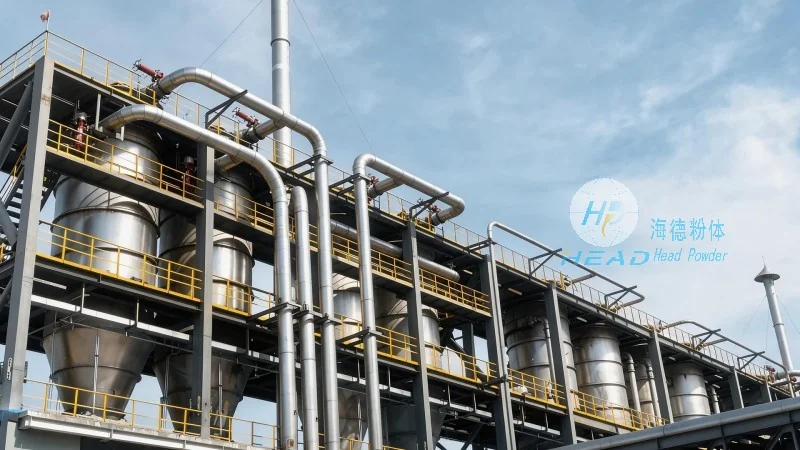
Conveyors are particularly important in mung bean handling due to their ability to handle bulk materials efficiently. Belt conveyors, for instance, are commonly used for horizontal transport and can be customized with features like adjustable speed and incline to suit the specific needs of the processing line. Screw conveyors, on the other hand, are ideal for vertical transport and can be used to lift the beans to higher levels or feed them into processing equipment. The choice of conveyor type depends on factors such as the size and shape of the beans, the required capacity, and the space available in the facility.
Importance of Material Handling in Mung Bean Processing
Proper material handling is essential for maintaining the quality of mung beans and ensuring the success of the processing operation. Inadequate handling can lead to damage, contamination, or loss of product, all of which can result in significant financial losses for the processor. By implementing a well-designed material handling system, companies can minimize these risks and improve the overall quality of their final products. This is particularly important in the food industry, where consumer safety and product quality are paramount.
Customization and Integration by HeadPowder Engineering Co., Ltd.
At Shandong HeadPowder Engineering Co., Ltd., we recognize that each mung bean processing facility has unique requirements. That's why we offer customized material handling solutions tailored to the specific needs of our clients. Our team of engineers works closely with clients to understand their production processes, capacity requirements, and quality standards, then designs a system that meets all of these criteria. We also focus on integrating the material handling system with existing equipment and processes, ensuring a smooth transition and minimal disruption to the facility's operations.
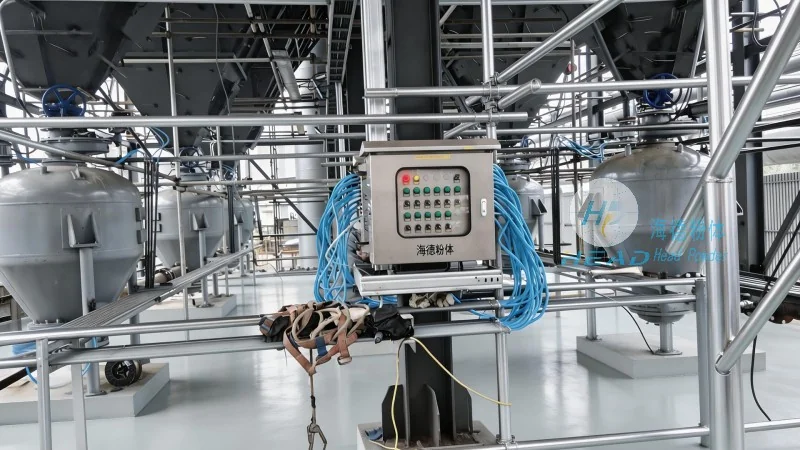
Our expertise in material handling systems allows us to provide comprehensive solutions that cover the entire material flow from raw mung beans to finished products. Whether you need a new conveyor system, a storage silo, or a complete material handling line, we can design and implement a solution that meets your needs. We use high-quality materials and components, ensuring that our systems are durable, reliable, and easy to maintain. Our commitment to quality and customer satisfaction has made us a trusted partner for many mung bean processing companies in China and beyond.
Conclusion
In conclusion, mung bean material handling is a critical aspect of the processing industry, and the design principles behind these systems play a vital role in ensuring efficiency and product quality. By understanding the key factors that influence material handling, such as the physical properties of the beans and the overall workflow of the facility, companies can make informed decisions about the equipment and systems they use. Shandong HeadPowder Engineering Co., Ltd. is dedicated to providing the expertise and solutions needed to help mung bean processors achieve their goals, from improving operational efficiency to enhancing product quality.