

What is Low-Pressure Continuous Material Handling? And What Are Its Design Principles?
Low-pressure continuous material handling systems represent a sophisticated approach to transporting bulk materials efficiently and reliably. These systems are designed to move materials such as powders, granules, and other particulate substances through a process that minimizes pressure differentials, ensuring smooth and consistent flow. The technology is widely used across various industries, including pharmaceuticals, food processing, and chemical manufacturing, where maintaining product integrity and operational efficiency is paramount.
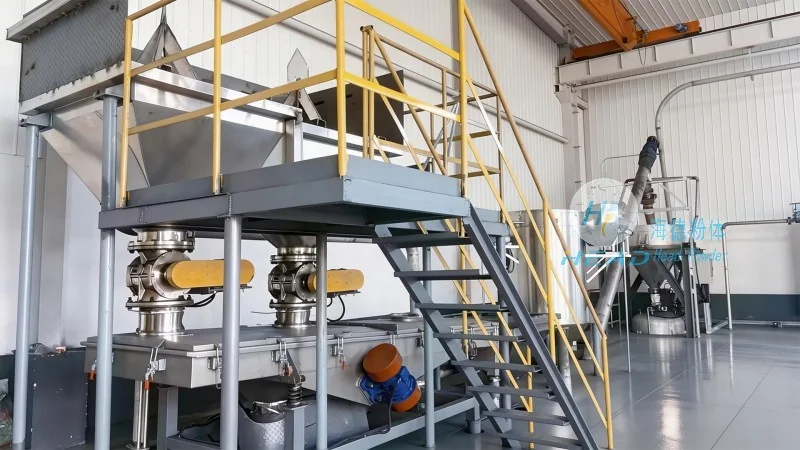
Understanding Low-Pressure Continuous Material Handling
At its core, low-pressure continuous material handling involves the use of specialized equipment that operates under a controlled pressure environment. Unlike high-pressure systems, which rely on significant pressure drops to drive material movement, low-pressure systems utilize gentle pressure differentials to facilitate continuous flow. This approach reduces wear and tear on components, minimizes product degradation, and enhances overall system longevity. The primary goal is to achieve a steady, unidirectional movement of materials without the need for excessive energy consumption or mechanical stress.
Key Design Principles of Low-Pressure Continuous Material Handling
The design of low-pressure continuous material handling systems is governed by several critical principles that ensure optimal performance. First, the system must maintain a consistent pressure gradient along the entire conveying path. This gradient is typically achieved through the use of pressure regulators, airlocks, and flow control devices that ensure the material moves smoothly from the inlet to the outlet. Second, the equipment is engineered to minimize friction and resistance, which helps maintain the desired flow rate and reduces energy costs. Third, the system incorporates safety features, such as pressure relief valves and emergency shut-off mechanisms, to prevent over-pressurization and ensure operator safety.
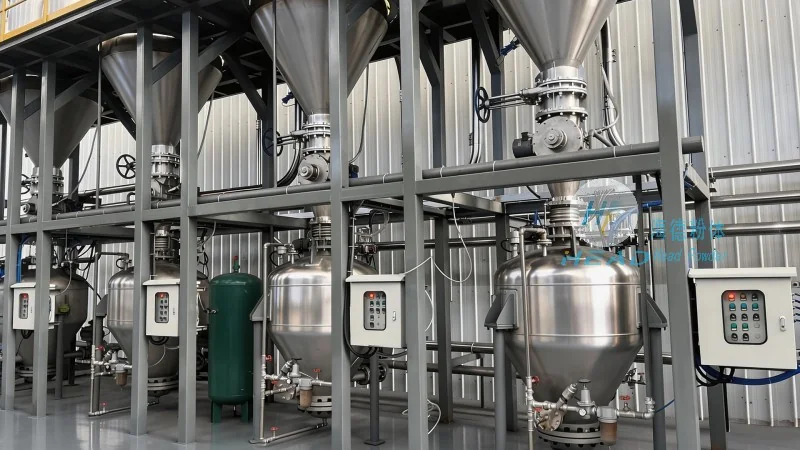
Components and Functionality of Low-Pressure Conveying Systems
Low-pressure continuous material handling systems typically consist of several key components, each playing a vital role in the overall operation. The primary components include a feeding device, which introduces the material into the system, a conveying section (often using pneumatic or mechanical means), and a discharge mechanism that removes the material from the system. The feeding device, such as a rotary valve or a star feeder, ensures a uniform and controlled feed rate, preventing blockages and maintaining consistent flow. The conveying section may utilize air or mechanical force to move the material through the system, with the choice of method depending on the material characteristics and operational requirements. The discharge mechanism, such as a rotary valve or a bagging unit, ensures the material is discharged safely and efficiently.
Applications and Benefits in Industrial Settings
Low-pressure continuous material handling systems are widely employed in industries where the handling of bulk materials is critical. In the pharmaceutical industry, for example, these systems are used to transport active pharmaceutical ingredients (APIs) and excipients with minimal risk of contamination or degradation. The gentle handling ensures that the product remains pure and stable, meeting stringent regulatory requirements. In the food processing industry, low-pressure systems are used to convey ingredients like flour, sugar, and spices, maintaining product quality and preventing cross-contamination. The benefits of these systems extend beyond product integrity; they also offer significant operational advantages, including reduced downtime, lower maintenance costs, and improved energy efficiency.

Role of Shandong HeadPowder Engineering Co., Ltd. in Low-Pressure Material Handling
Shandong HeadPowder Engineering Co., Ltd., a leading manufacturer in the field, specializes in designing and manufacturing low-pressure continuous material handling systems tailored to the specific needs of various industries. With a focus on innovation and quality, the company has developed advanced solutions that address the unique challenges of material handling in pharmaceutical, food, and chemical sectors. The company's expertise lies in integrating cutting-edge technology with practical design, ensuring that their systems are not only efficient but also reliable and cost-effective. By leveraging their deep understanding of material properties and process requirements, HeadPowder provides customized solutions that enhance operational performance and meet regulatory standards.
Conclusion: The Future of Low-Pressure Material Handling
As industries continue to demand higher efficiency and product quality in material handling, low-pressure continuous systems remain a vital technology. The design principles and components discussed above highlight the sophistication and adaptability of these systems. With advancements in materials science and control technology, low-pressure material handling is poised to play an even more significant role in the future of industrial operations. Companies like Shandong HeadPowder Engineering Co., Ltd. are at the forefront of this evolution, providing solutions that meet the evolving needs of modern industries while maintaining the highest standards of performance and reliability.