

What is Intermittent Material Handling? What are the Design Principles?
Intermittent material handling is a critical process in industrial operations, involving the movement of materials in discrete batches or cycles rather than continuous flow. This method is widely used across various industries, including manufacturing, logistics, and warehousing, to efficiently transfer goods between different stages of production or storage. The design of intermittent material handling systems is built on a foundation of precise engineering, ensuring reliability, efficiency, and adaptability to diverse operational needs.
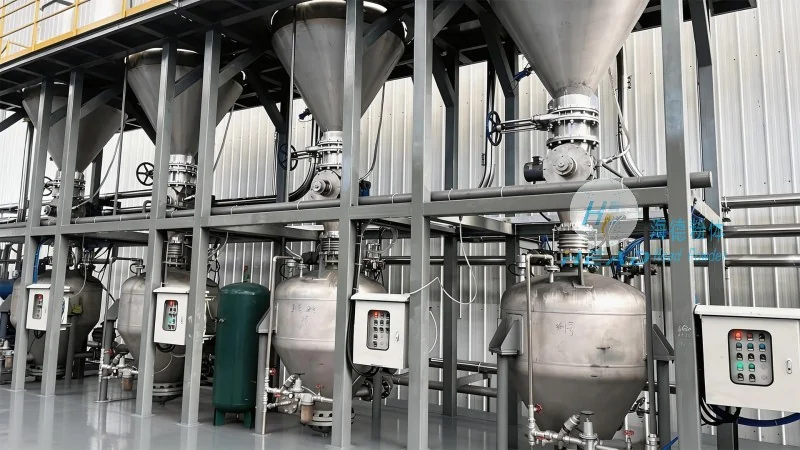
Key Design Principles for Intermittent Material Handling Systems
The effectiveness of an intermittent material handling system hinges on several fundamental design principles. First, the system must be capable of handling a wide range of materials, from bulk powders to packaged goods, with flexibility in load types and sizes. Second, the control mechanisms are crucial, as they dictate the timing and sequencing of material movement, preventing bottlenecks and ensuring smooth transitions between processes. Third, durability and maintenance are paramount; components must withstand heavy usage and environmental factors, minimizing downtime and operational costs. Finally, integration with existing infrastructure is essential, allowing seamless connection with other equipment and systems to enhance overall workflow efficiency.
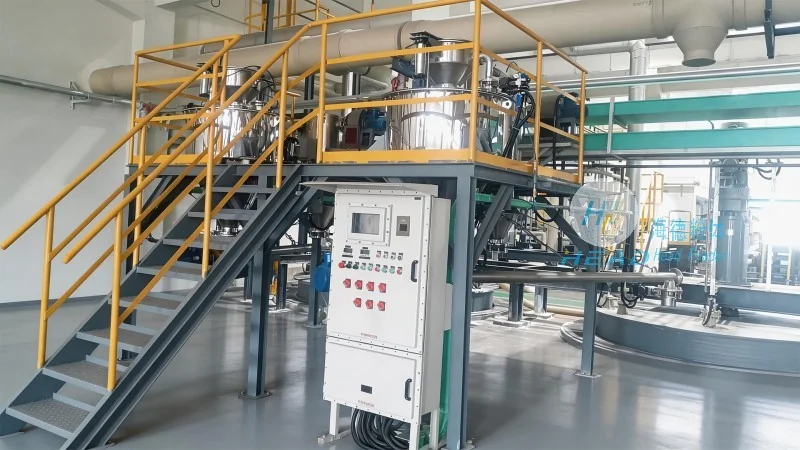
Components and Mechanisms in Intermittent Material Handling
At the heart of intermittent material handling systems are several key components that work in concert to achieve efficient material transfer. Conveyors, such as chain-driven or belt-driven models, are commonly used to move materials horizontally or vertically. These conveyors are often equipped with sensors and control systems that enable precise start and stop functions, aligning with the intermittent nature of the process. Additionally, feeding mechanisms, like hoppers or feeders, are integral for controlling the flow rate of materials into the system, ensuring consistent and controlled batches. The integration of these components, designed by experts like those at Shandong HeadPowder Engineering Co., Ltd., results in a robust and reliable system tailored to specific operational requirements.
Applications and Benefits of Intermittent Material Handling
Intermittent material handling systems find applications in numerous industrial settings. In manufacturing plants, they facilitate the transfer of raw materials to processing lines and finished products to packaging areas. In logistics and warehousing, these systems are vital for moving inventory between storage racks and shipping docks, optimizing space utilization and reducing handling time. The benefits of such systems include improved productivity through reduced downtime, enhanced safety by minimizing manual handling, and cost savings from efficient material flow. By adhering to the design principles outlined above, companies can achieve significant operational improvements, leading to higher throughput and better resource management.
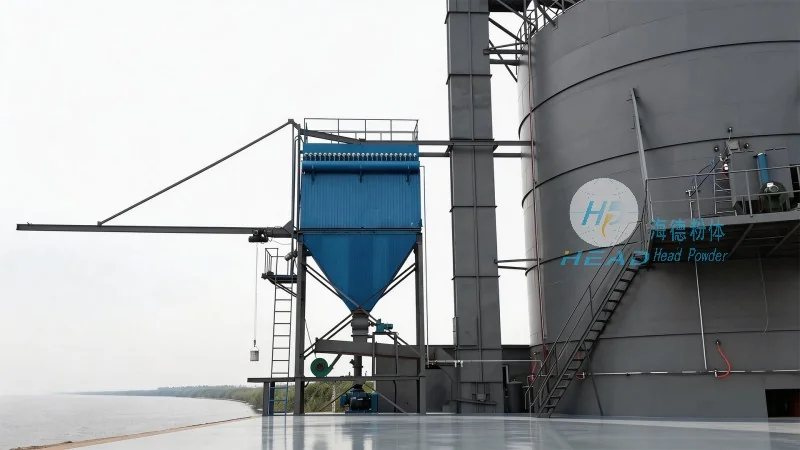
HeadPowder's Expertise in Intermittent Material Handling Solutions
Shandong HeadPowder Engineering Co., Ltd., a leading provider of engineering solutions, specializes in designing and implementing intermittent material handling systems tailored to the unique needs of industrial clients. With a deep understanding of the design principles and components involved, HeadPowder leverages advanced technology and engineering expertise to deliver customized solutions. The company’s approach emphasizes durability, efficiency, and adaptability, ensuring that systems not only meet current operational demands but also evolve with future requirements. Based in China, Shandong HeadPowder Engineering Co., Ltd. serves a wide range of industries, providing reliable and effective material handling solutions that enhance productivity and operational efficiency.