

What is Positive Pressure Dilute Phase Pneumatic Conveying? And What Are Its Design Principles?
Positive pressure dilute phase pneumatic conveying is a critical industrial process used for transporting bulk materials through a pipeline system using pressurized air or gas. This method is widely adopted in various industries, including food, pharmaceuticals, chemicals, and minerals, due to its efficiency and ability to handle a wide range of materials with minimal product degradation. The core of this technology lies in the design principles that govern its operation, ensuring reliable and consistent material transport from source to destination.
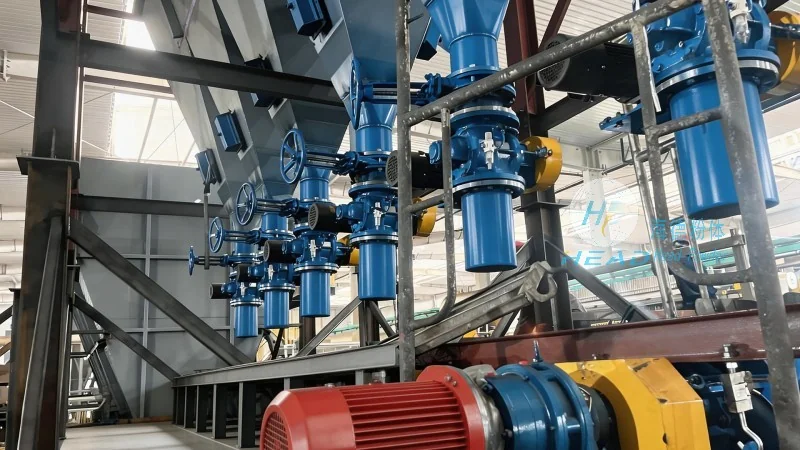
The Fundamental Design Principles of Positive Pressure Dilute Phase Pneumatic Conveying Systems
At the heart of positive pressure dilute phase conveying systems are several key design principles that work in tandem to achieve effective material transport. The primary principle is the use of a positive pressure environment, where the conveying line is maintained at a pressure higher than the ambient air pressure. This is typically achieved using a positive displacement blower or a rotary lobe compressor, which generates the necessary pressure to move the material through the pipeline. The system operates by introducing the material into the conveying line in a dilute phase, meaning the material particles are suspended in the air stream rather than forming a dense plug. This dilute phase ensures that the material flows smoothly and reduces the risk of blockages or clogging.
Another crucial design principle is the selection of appropriate equipment components tailored to the specific material characteristics. This includes the choice of the air compressor, which must be capable of delivering the required pressure and airflow rate. The pipeline diameter and length are also critical factors, as they directly impact the pressure drop and energy consumption. Additionally, the system incorporates control valves and filters to regulate the flow and maintain system integrity. The design must consider factors such as material density, particle size distribution, and moisture content, as these variables influence the conveying velocity and pressure requirements.
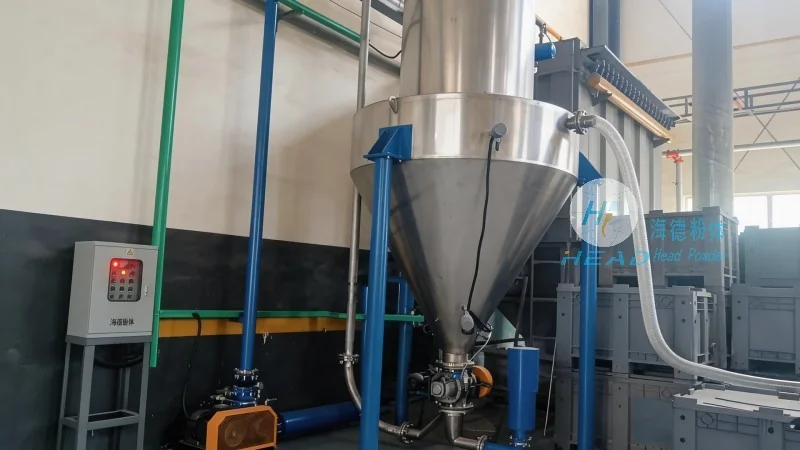
Key Components and Their Roles in the System
The positive pressure dilute phase conveying system consists of several essential components, each playing a vital role in the overall operation. The primary components include the material feeder, which introduces the bulk material into the conveying line. This can be a rotary valve, a star feeder, or a screw feeder, depending on the material's properties. The feeder must be designed to handle the material's flow characteristics and prevent material buildup or blockages. The air compressor, as mentioned earlier, provides the necessary pressure to move the material. It can be a positive displacement blower or a centrifugal fan, selected based on the system's pressure and flow requirements. The conveying pipeline, typically made of stainless steel or other corrosion-resistant materials, transports the material from the feeder to the discharge point. The pipeline design must account for pressure drop, which increases with pipeline length and diameter. To mitigate this, the system may include pressure relief valves and expansion joints to accommodate thermal changes and maintain system stability.
The system also includes a filter and a cyclone separator at the discharge end. The filter removes any fine particles or dust from the air stream, ensuring that the discharged material is clean and free from contaminants. The cyclone separator uses centrifugal force to separate the material from the air, allowing the material to be collected in a hopper or bin. The separated air is then returned to the compressor or released to the atmosphere, depending on the system design. These components are critical for maintaining system efficiency and preventing material loss or contamination.
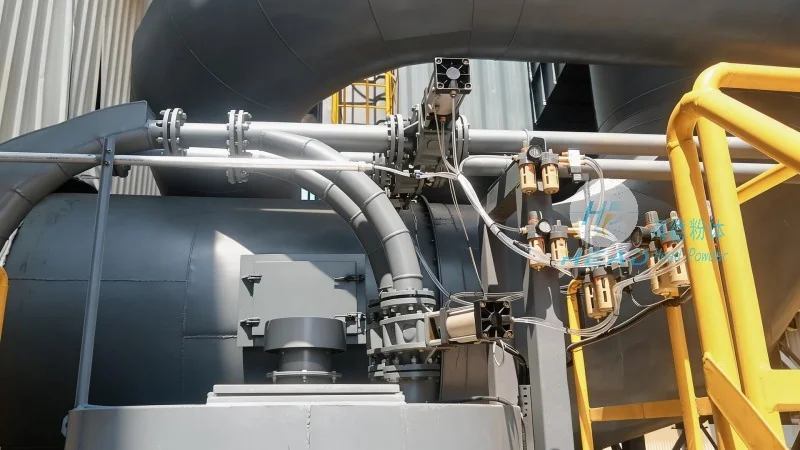
Applications and Benefits of Positive Pressure Dilute Phase Pneumatic Conveying
Positive pressure dilute phase conveying is widely used in various industrial applications due to its advantages over other material handling methods. One of the main benefits is its ability to handle a wide range of materials, including powders, granules, and fine particles. The system can transport materials over long distances with minimal product degradation, making it suitable for sensitive materials such as food and pharmaceuticals. Another advantage is its flexibility, as the system can be easily modified to accommodate changes in material type or flow rate. The process is also relatively clean and hygienic, as the material is enclosed in the pipeline, reducing the risk of contamination from the environment.
Additionally, the system offers high efficiency and low energy consumption compared to other conveying methods. The use of a positive pressure environment reduces the need for vacuum systems, which are often more complex and energy-intensive. The system also minimizes material handling time and labor costs, as the material is transported directly from the source to the destination without intermediate handling steps. These benefits make positive pressure dilute phase conveying an attractive option for many industrial applications.
About Shandong HeadPowder Engineering Co., Ltd.
Shandong HeadPowder Engineering Co., Ltd., commonly known as HeadPowder, is a leading manufacturer and supplier of positive pressure dilute phase pneumatic conveying systems. With a strong commitment to quality and innovation, HeadPowder specializes in designing and manufacturing customized conveying solutions tailored to the specific needs of its clients. The company's products are widely used in various industries, including food, pharmaceuticals, chemicals, and minerals, and are known for their reliability, efficiency, and durability.
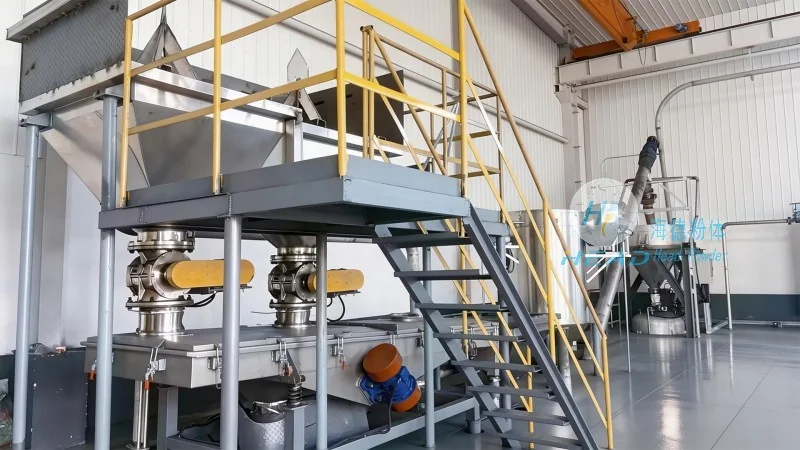
HeadPowder's team of experienced engineers and technicians work closely with clients to understand their material handling requirements and develop optimal conveying systems. The company uses advanced design software and testing facilities to ensure that its products meet the highest standards of performance and safety. HeadPowder also provides comprehensive after-sales support, including installation, maintenance, and technical assistance, to ensure that its clients receive the best possible service.
HeadPowder is headquartered in Shandong, China, and has a strong presence in the global market. The company's products are exported to many countries around the world, and it has established a good reputation for its quality and reliability. HeadPowder continues to invest in research and development to improve its products and stay ahead of the competition, ensuring that it remains a leader in the industry.