

What is a Food Additive Powder Handling System Equipment? And What Are Its Design Principles?
When it comes to the efficient and safe transportation of food additives in powder form, specialized equipment plays a crucial role in maintaining product integrity and operational efficiency. This article explores the concept of a food additive powder handling system equipment and delves into the fundamental design principles that underpin its functionality.
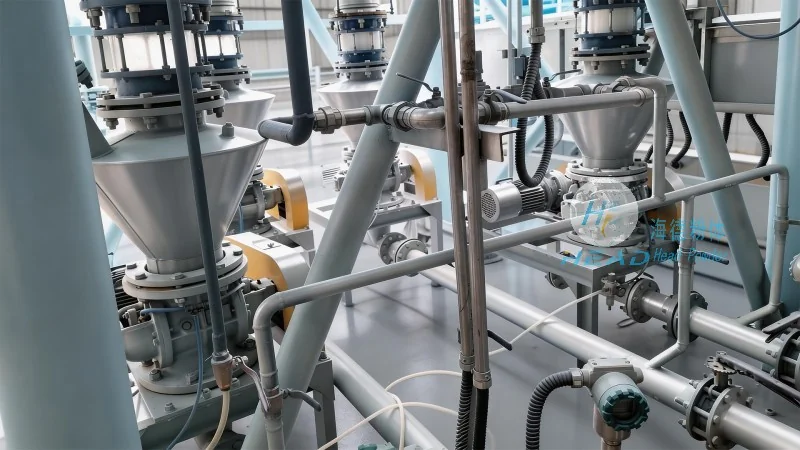
Understanding the Food Additive Powder Handling System Equipment
A food additive powder handling system equipment is a specialized piece of machinery designed to transport, store, and manage dry powder additives used in the food industry. These systems are engineered to handle a wide range of food additives, including but not limited to, colorants, preservatives, flavor enhancers, and nutritional supplements. The primary goal of such equipment is to ensure that these powders are moved safely and efficiently from storage to processing lines without compromising their quality or causing contamination.
Key components of a typical food additive powder handling system include hoppers for storage, conveyor systems for transport, and control panels for operation. The system is often integrated with dust collection and filtration mechanisms to maintain a clean and safe working environment. This equipment is essential for food manufacturers who need to handle powders in a way that adheres to stringent industry regulations and standards.
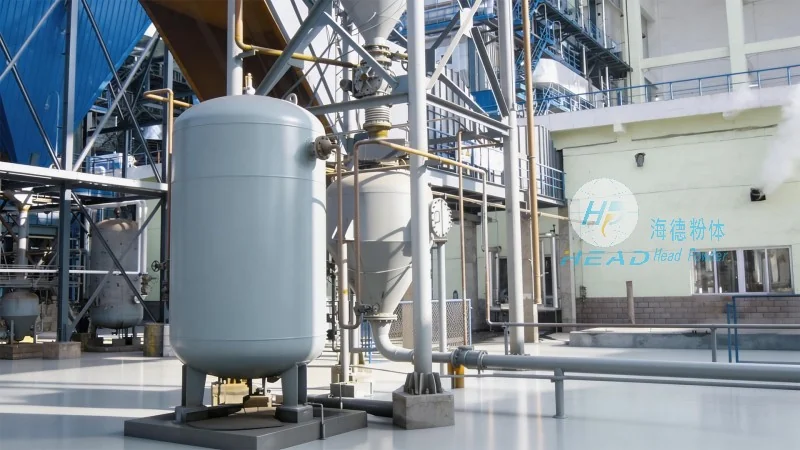
Design Principles of the Food Additive Powder Handling System Equipment
The design of a food additive powder handling system equipment is guided by several critical principles aimed at optimizing performance, safety, and reliability. One of the most important principles is the prevention of powder bridging and agglomeration, which can lead to blockages and uneven flow. To address this, the equipment incorporates features such as agitators, vibrators, and air knives to ensure consistent powder movement.
Another key design principle is the maintenance of hygiene and cleanliness. Food additive handling systems are constructed from materials that are non-corrosive, easy to clean, and resistant to contamination. Stainless steel is commonly used for the construction of hoppers, conveyors, and other components, as it meets the high standards required by the food industry. Additionally, the system is designed with smooth surfaces and minimal dead zones to facilitate thorough cleaning and prevent the accumulation of residues.
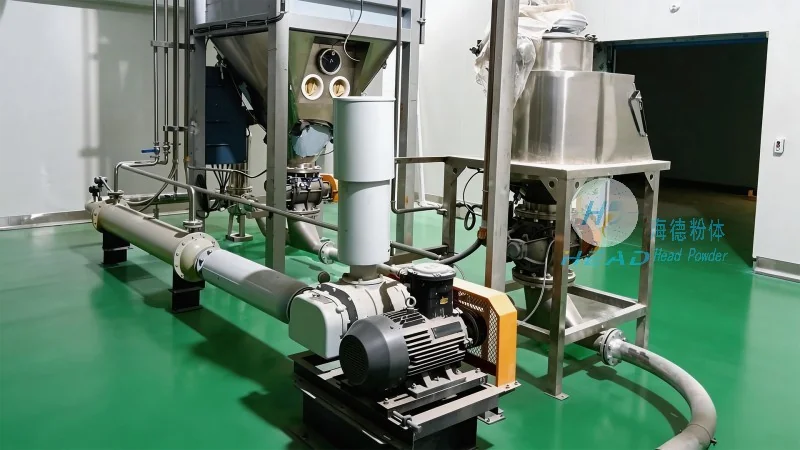
Efficiency and energy conservation are also central to the design. Modern food additive powder handling systems are equipped with variable speed drives and optimized airflow systems to minimize energy consumption while maintaining optimal powder flow rates. This not only reduces operational costs but also contributes to environmental sustainability.
Operational Considerations and Safety Features
When operating a food additive powder handling system, several factors must be considered to ensure safe and effective performance. Proper maintenance is essential to prevent equipment failure and ensure consistent operation. Regular cleaning, inspection of components, and replacement of worn parts are critical to maintaining the system's efficiency and safety.
Safety features are integrated into the design to protect operators and prevent accidents. These may include interlocks on hoppers and conveyors, emergency stop buttons, and dust suppression systems. The system is also designed to minimize the risk of dust explosions by controlling the concentration of airborne particles and ensuring proper ventilation.
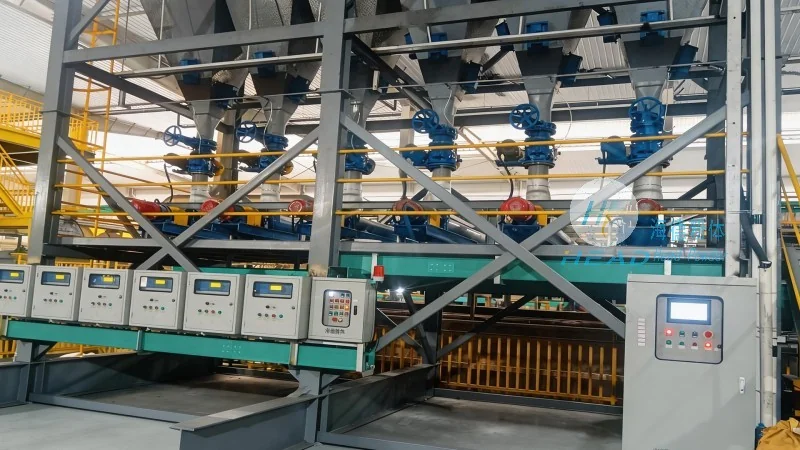
Furthermore, the system is equipped with sensors and monitoring systems to detect any abnormalities, such as blockages or changes in flow rate. These systems provide real-time feedback to operators, allowing for immediate intervention and preventing potential issues from escalating.
Conclusion
In conclusion, a food additive powder handling system equipment is a vital component in the food processing industry, designed to efficiently and safely transport powder additives. The design principles that guide these systems focus on preventing powder issues, maintaining hygiene, ensuring efficiency, and prioritizing safety. By adhering to these principles, manufacturers can ensure that their powder handling systems operate reliably, maintain product quality, and comply with industry regulations. For those in need of such equipment, Shandong HeadPowder Engineering Co., Ltd., a leading provider based in China, offers high-quality solutions tailored to meet the specific needs of food manufacturers.