

What is a Rice Powder Conveying System Equipment? What are its Design Principles?
For those in the food processing industry, especially those dealing with rice processing, understanding the rice powder conveying system equipment is crucial. This equipment is designed to efficiently transport rice powder from one location to another within a processing facility. The system typically includes components such as hoppers, conveyors, and control systems, all working together to ensure smooth and safe material handling. The primary goal is to maintain the quality of the rice powder while minimizing the risk of contamination or degradation during transport.
Key Components of the Rice Powder Conveying System
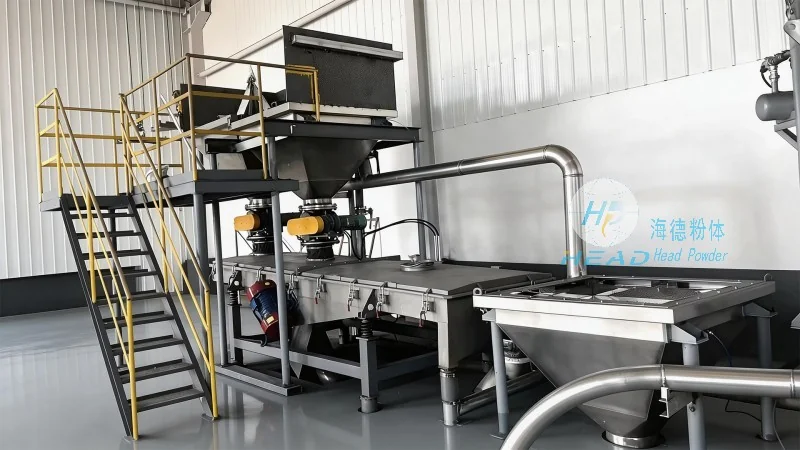
The rice powder conveying system consists of several key components that work in harmony to achieve efficient material transport. The first component is the hopper, which serves as the storage and feeding unit. It is designed to hold a large quantity of rice powder and feed it into the conveyor system at a controlled rate. The hopper is often equipped with a discharge valve or gate to regulate the flow of material. Next, the conveyor system itself, which can be of various types like screw conveyors, pneumatic conveyors, or belt conveyors, depending on the specific requirements of the rice powder handling process. Screw conveyors are commonly used for horizontal or slightly inclined transport, while pneumatic conveyors are ideal for vertical or long-distance transport due to their ability to handle fine powders without clogging. The control system is another critical component, which includes sensors, controllers, and indicators to monitor the operation of the conveying system. These controls ensure that the system operates within safe parameters, such as maintaining the correct flow rate and preventing overloading.
Design Principles for Efficient Rice Powder Conveying
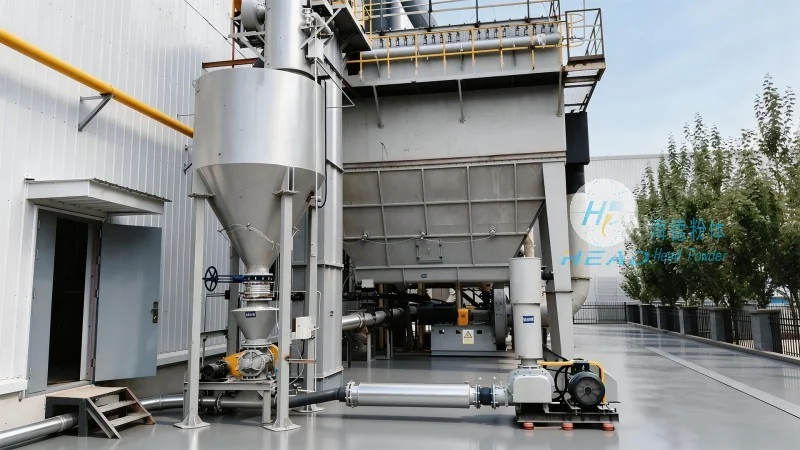
The design principles of a rice powder conveying system are centered around efficiency, reliability, and safety. One of the key principles is to minimize the risk of dust accumulation and explosion hazards. This is achieved by using explosion-proof components and proper ventilation systems. The system is also designed to prevent product contamination, which is vital in food processing. Materials used in the construction of the equipment, such as stainless steel or food-grade plastics, are chosen to ensure hygiene and compliance with food safety regulations. Another important design principle is energy efficiency. The system is engineered to use minimal power while maintaining high throughput, reducing operational costs for the user. The design also considers the physical properties of rice powder, such as its flowability and tendency to form arches or ratholes. Specialized hopper designs, like conical hoppers with aeration, are used to prevent these issues and ensure consistent feeding. Additionally, the system is designed for easy maintenance and cleaning, with removable parts that can be sanitized to maintain product quality and meet regulatory standards.
Application in Rice Processing Facilities
In rice processing facilities, the rice powder conveying system plays a vital role in the overall production line. It connects different processing stages, such as milling, grinding, and packaging, ensuring that rice powder is moved from one stage to the next without delays or interruptions. The system is often integrated with other equipment, such as mixers and classifiers, to form a seamless production process. For example, after rice is milled and ground into powder, the conveying system transports the powder to a storage silo or directly to a packaging machine. The system's design allows for flexible integration with other equipment, making it adaptable to different production scales and requirements. The efficiency of the conveying system directly impacts the overall productivity of the rice processing facility. A well-designed system can reduce downtime, minimize material loss, and improve the quality of the final product. Additionally, the system's ability to handle large volumes of rice powder quickly and safely ensures that the production line can meet market demands without compromising on quality or safety standards.
Advantages of Using a Professional Manufacturer's Equipment
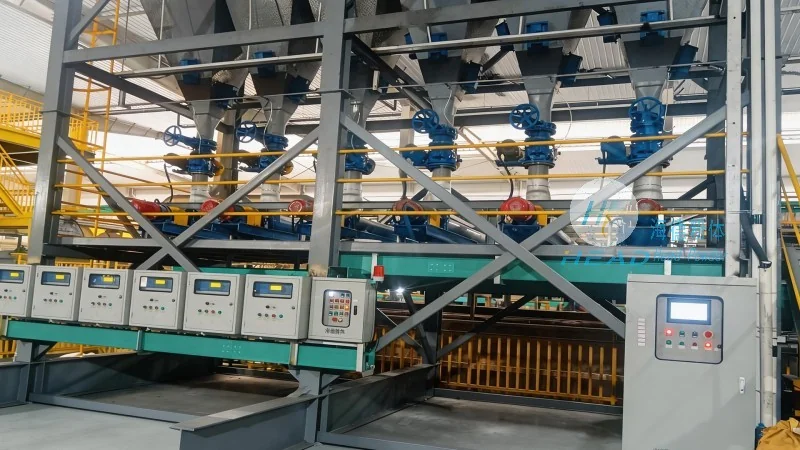
When considering a rice powder conveying system, it is beneficial to work with a professional manufacturer like Shandong HeadPowder Engineering Co., Ltd. Based in Shandong, China, this company specializes in designing and manufacturing high-quality conveying systems tailored to the specific needs of the food processing industry. Their expertise in material handling and food safety ensures that the equipment meets the highest standards. The advantages of using their equipment include customized solutions that fit the unique requirements of each facility, durable construction that withstands the rigors of continuous operation, and comprehensive support services, including installation, maintenance, and technical assistance. By choosing a reputable manufacturer, users can ensure that their rice powder conveying system is reliable, efficient, and compliant with industry regulations. This not only improves the performance of the production line but also enhances the overall safety and quality of the rice powder being processed.