

What is a Polyvinyl Alcohol Formaldehyde Powder Conveying Machine? And What Are Its Design Principle
For industries dealing with polyvinyl alcohol formaldehyde (PVOH) powders, efficient and reliable material handling is crucial. A specialized piece of equipment, the Polyvinyl Alcohol Formaldehyde Powder Conveying Machine, is designed to address the unique challenges of transporting such powders. This article explores the functionality and design principles behind this essential machinery, highlighting its importance in industrial processes.
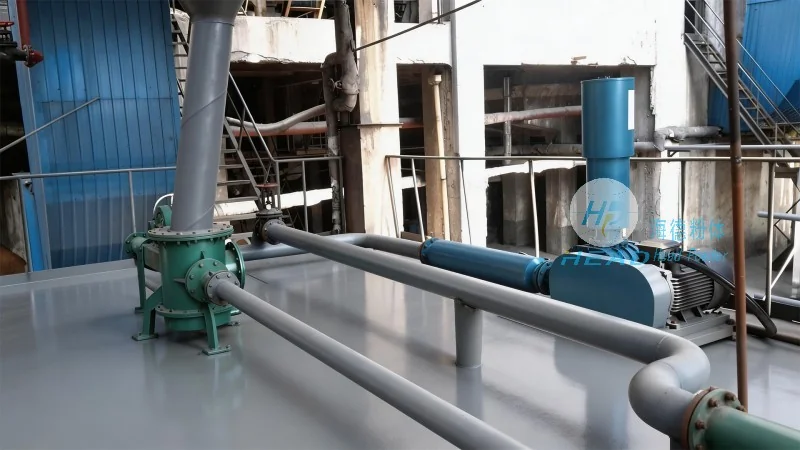
About HeadPowder: Your Trusted Partner in Powder Handling Solutions
At Shandong HeadPowder Engineering Co., Ltd., we specialize in providing advanced powder handling equipment tailored to meet the specific needs of various industries. With a strong commitment to quality and innovation, our company, commonly known as HeadPowder, has established itself as a leading manufacturer in the field of powder conveying systems. Our headquarters are located in Shandong, China, where we develop and manufacture cutting-edge solutions to enhance productivity and safety in material handling operations.
Understanding the Polyvinyl Alcohol Formaldehyde Powder Conveying Machine
The Polyvinyl Alcohol Formaldehyde Powder Conveying Machine is a specialized device engineered to transport PVOH powders from one location to another within industrial settings. These powders are often used in applications such as adhesives, coatings, and textiles, and their handling requires careful consideration due to their fine particle size and potential for static electricity. The machine is designed to ensure efficient, safe, and consistent movement of the powder, minimizing the risk of clogging, dust generation, and material loss.
Key Design Principles of the Conveying Machine
The design of a Polyvinyl Alcohol Formaldehyde Powder Conveying Machine incorporates several critical principles to ensure optimal performance. One of the primary considerations is the prevention of material buildup and clogging, which can occur due to the fine nature of PVOH powders. The machine typically features a robust, low-friction internal structure, often with smooth surfaces and appropriate angles to facilitate the flow of powder without obstruction. Additionally, the design incorporates effective dust control measures, such as sealed housing and filtration systems, to maintain a clean working environment and comply with safety regulations.
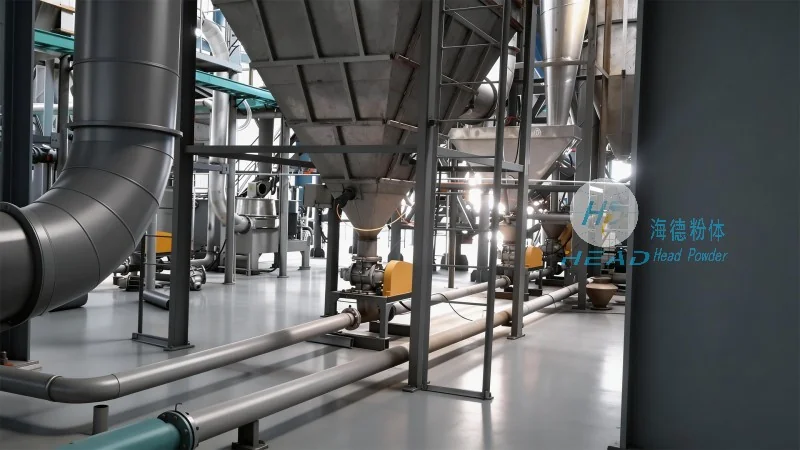
Another crucial design principle is the management of static electricity. PVOH powders are prone to generating static charges, which can lead to material sticking to surfaces or causing electrical hazards. The conveying machine is equipped with anti-static features, such as grounding mechanisms and conductive materials, to dissipate static charges and prevent these issues. This ensures that the powder flows smoothly and safely through the system.
Components and Operational Mechanisms
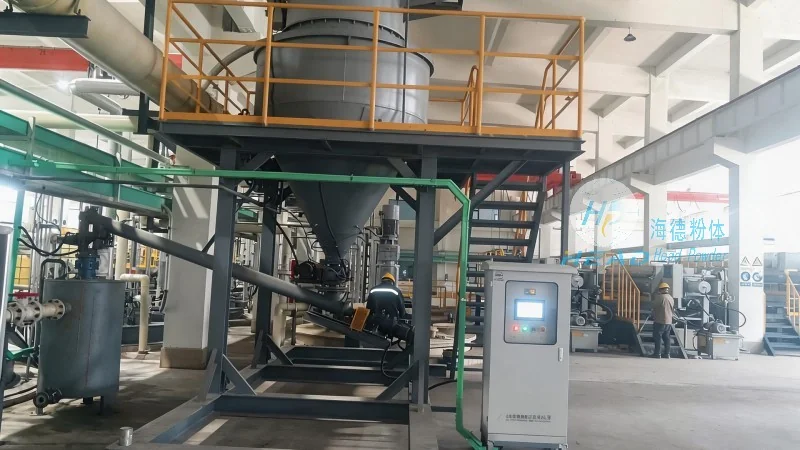
The Polyvinyl Alcohol Formaldehyde Powder Conveying Machine consists of several key components that work together to achieve efficient material transport. The main components include a hopper for material storage, a conveyor system (often a screw or pneumatic conveyor) for moving the powder, and a control unit for regulating the flow rate and speed. The hopper is designed to accommodate the bulk storage of PVOH powders, with features like a discharge valve to control the release of material into the conveyor system.
The conveyor system is a critical part of the machine, responsible for the actual movement of the powder. In many designs, a screw conveyor is used, which consists of a rotating screw inside a tube. As the screw rotates, it pushes the powder forward, ensuring consistent and controlled transport. This design is particularly effective for powders that are prone to clogging, as the screw provides continuous motion that prevents material from settling or sticking. Pneumatic conveyors are also used in some applications, where compressed air is used to move the powder through a pipeline. This method is advantageous for longer distances or when the powder needs to be transported in a closed system.
Benefits and Applications
The Polyvinyl Alcohol Formaldehyde Powder Conveying Machine offers numerous benefits to industries that handle PVOH powders. One of the primary advantages is improved efficiency, as the machine ensures consistent and reliable transport of the material, reducing downtime and increasing overall productivity. Additionally, the design minimizes the risk of dust exposure and material loss, enhancing workplace safety and compliance with environmental regulations.
These machines are widely used in various industries, including the manufacturing of adhesives, coatings, and textiles. In adhesive production, for example, the machine is used to transport PVOH powders to mixing and processing equipment, ensuring a consistent supply of raw material. In textile applications, the powder is used as a binder or coating agent, and the conveying machine ensures that it is delivered to the production line without any issues. The versatility of the machine makes it suitable for a wide range of applications where PVOH powders are a key component.
Conclusion
In conclusion, the Polyvinyl Alcohol Formaldehyde Powder Conveying Machine is an essential piece of equipment for industries dealing with PVOH powders. Its design, incorporating principles such as anti-clogging features, dust control, and static management, ensures efficient and safe material handling. As a leading manufacturer, Shandong HeadPowder Engineering Co., Ltd. provides high-quality conveying machines that meet the specific needs of various industries, helping to enhance productivity and safety in powder handling operations.