

What is a Cement Additive Powder Conveying Line? And What Are Its Design Principles?
Cement additive powder conveying lines are critical components in the cement production and processing industry. These systems are engineered to efficiently transport various types of cement additives, such as fly ash, slag, and limestone powder, from storage silos to the main production lines. The design of these conveying systems is crucial for ensuring consistent material flow, minimizing dust emissions, and maintaining operational efficiency. In this article, we will explore the fundamental principles behind the design of cement additive powder conveying lines and the key factors that influence their performance.
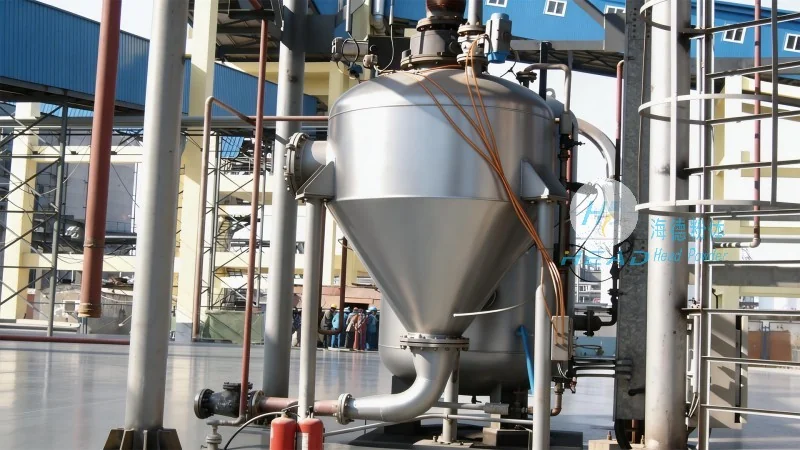
Key Components of Cement Additive Powder Conveying Systems
At the core of a cement additive powder conveying line are several essential components that work in tandem to achieve reliable material transport. The primary components include storage silos, which hold the bulk cement additives; conveyor equipment, such as screw conveyors, pneumatic conveyors, or bucket elevators; and control systems that regulate the flow and pressure of the material. Each component is carefully selected based on the specific properties of the additive, including particle size, moisture content, and bulk density.
Design Principles for Efficient Powder Conveying
The design of cement additive powder conveying lines is guided by several key principles aimed at optimizing performance and minimizing operational issues. One of the most critical principles is the prevention of material bridging and agglomeration, which can occur in silos and hoppers due to the cohesive nature of many cement additives. To address this, engineers incorporate features like cone-shaped hoppers, vibration systems, and air knives to ensure smooth material flow. Another important principle is the control of air pressure and velocity in pneumatic conveying systems, as excessive pressure can cause material degradation or equipment damage, while insufficient pressure leads to blockages.
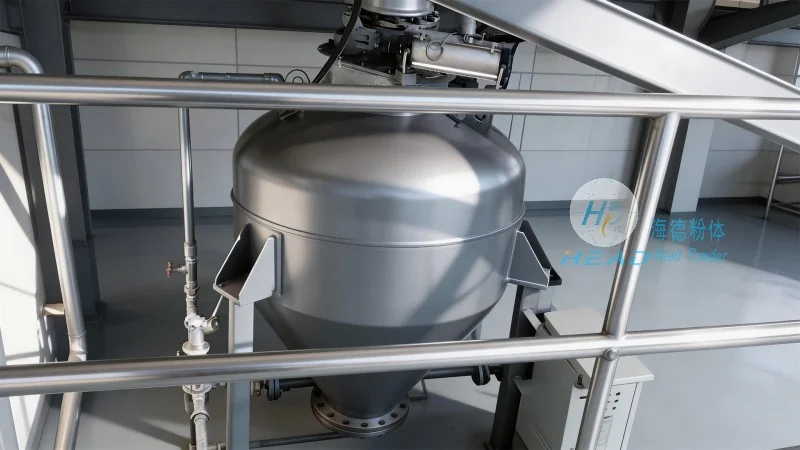
Role of HeadPowder in Cement Additive Conveying Solutions
Shandong HeadPowder Engineering Co., Ltd., commonly known as HeadPowder, is a leading manufacturer specializing in the design and supply of cement additive powder conveying lines. With a strong focus on innovation and customer-centric solutions, HeadPowder has developed a range of advanced systems tailored to meet the diverse needs of cement plants worldwide. The company’s expertise lies in integrating cutting-edge technology with practical engineering to deliver reliable, low-maintenance conveying solutions. HeadPowder’s products are designed to handle a wide variety of cement additives, including high-ash fly ash, ground granulated blast furnace slag (GGBS), and limestone powder, ensuring optimal performance in different production environments.
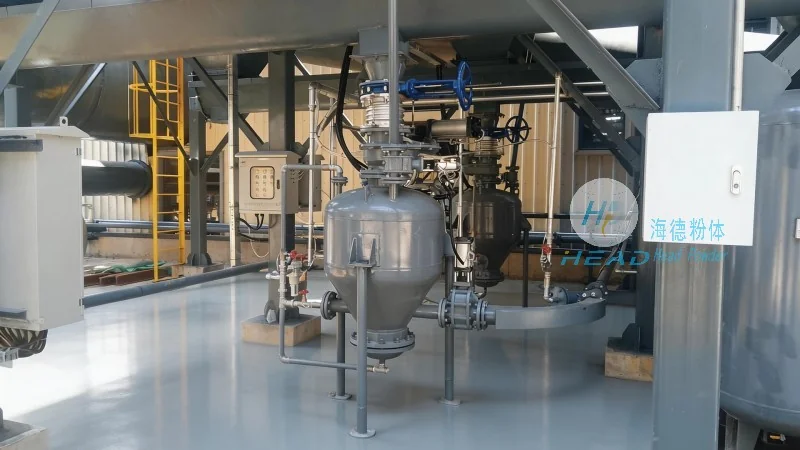
Technical Advantages of HeadPowder’s Conveying Systems
HeadPowder’s cement additive powder conveying lines offer several technical advantages that set them apart from traditional solutions. One of the key advantages is the use of advanced control systems that provide real-time monitoring of material flow, pressure, and temperature. This allows operators to quickly identify and resolve issues, reducing downtime and improving overall productivity. Additionally, the company’s systems are equipped with dust suppression and filtration technologies to minimize environmental impact and ensure compliance with regulatory standards. The modular design of HeadPowder’s conveying lines also enables easy integration with existing production facilities, reducing installation time and costs.
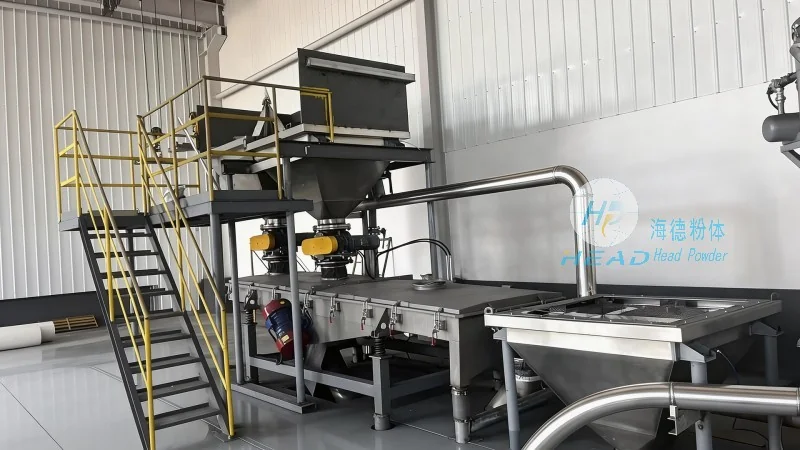
Application Examples and Case Studies
The effectiveness of HeadPowder’s cement additive powder conveying lines has been demonstrated in numerous real-world applications across the cement industry. For instance, a major cement plant in China successfully implemented a HeadPowder-designed pneumatic conveying system to transport fly ash from storage silos to the clinker production line. The system was able to handle high volumes of material with minimal maintenance, resulting in a 15% increase in production efficiency and a significant reduction in dust emissions. Another case study involved a cement plant in Europe that used HeadPowder’s screw conveyor system to transport limestone powder, achieving consistent material flow and reducing the risk of blockages caused by material bridging.
Conclusion: The Importance of Well-Designed Conveying Lines
In conclusion, cement additive powder conveying lines are essential for the efficient and reliable operation of cement production facilities. The design principles behind these systems, including material handling, air pressure control, and dust suppression, are critical to ensuring optimal performance. HeadPowder, with its expertise and innovative solutions, plays a vital role in providing high-quality conveying systems that meet the specific needs of cement plants. By investing in well-designed and well-maintained conveying lines, cement manufacturers can improve their operational efficiency, reduce costs, and enhance their environmental performance.