

Common Calcium Hydroxide Powder Conveying Methods: The Advantages and Features of HeadPowder's Pneumatic Conveying System
When it comes to transporting calcium hydroxide powder, selecting the right method is crucial for ensuring efficiency, safety, and cost-effectiveness in industrial operations. Calcium hydroxide, also known as slaked lime, is a fine powder widely used in various industries such as construction, water treatment, and chemical manufacturing. Its handling requires specialized equipment due to its dusty nature and potential for caking or agglomeration. Among the common methods for powder transport, pneumatic conveying stands out as a preferred solution for many applications, especially for calcium hydroxide powder. This article explores the typical conveying methods available and highlights the advantages of HeadPowder's pneumatic conveying system, a leading solution from Shandong HeadPowder Engineering Co., Ltd., based in China.
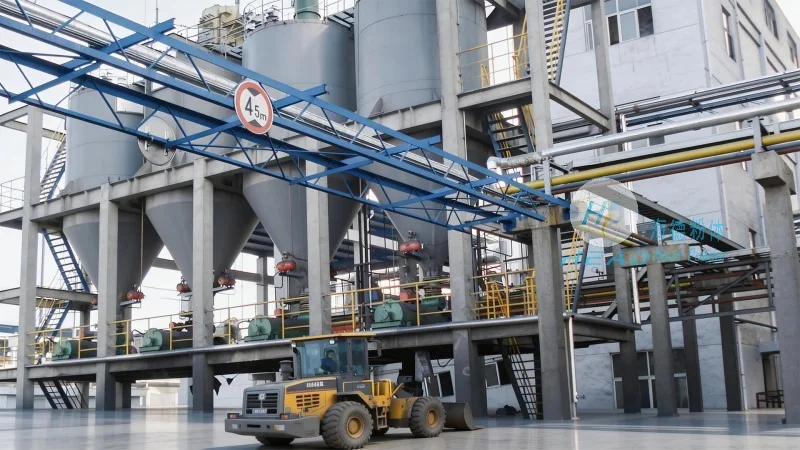
Overview of Common Calcium Hydroxide Powder Conveying Methods
Several methods are employed for transporting calcium hydroxide powder, each with its own set of advantages and limitations. The choice of method often depends on factors such as the distance of transport, the volume of material, the required speed, and the environmental regulations in the operating area. The primary conventional methods include gravity flow, mechanical conveying, and pneumatic conveying. Each method has distinct characteristics that make it suitable for specific scenarios.
Gravity Flow Conveying
Gravity flow, or bulk material handling via inclined chutes or hoppers, is a simple and cost-effective method for transporting calcium hydroxide powder over short distances. This approach relies on the natural force of gravity to move the powder from a higher to a lower elevation. The system typically consists of a hopper or silo at the source, an inclined pipe or chute, and a receiving container at the destination. While gravity flow is straightforward and requires minimal energy, it has significant limitations. The main drawback is its dependence on the vertical drop and the angle of the chute. If the distance or elevation difference is insufficient, the powder may not move efficiently, leading to bottlenecks or the need for additional equipment like vibrators or air-assisted systems to maintain flow. Additionally, gravity flow is unsuitable for long-distance transport or when the powder needs to be directed to multiple destinations, as the setup becomes complex and less flexible. This method is generally limited to applications where the source and destination are in close proximity and the material is free-flowing without excessive caking.
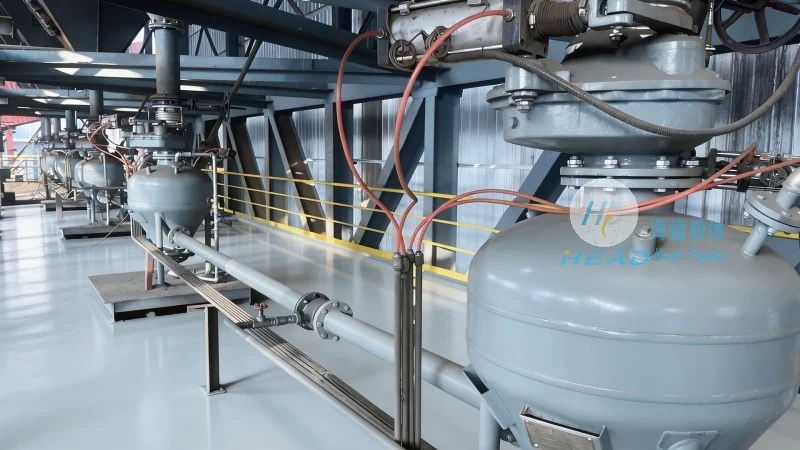
Mechanical Conveying Systems
Mechanical conveying systems, such as screw conveyors, belt conveyors, and bucket elevators, are widely used in the industry for transporting bulk materials, including calcium hydroxide powder. These systems utilize mechanical components to move the powder through a pipeline or conveyor belt. Screw conveyors, for instance, consist of a rotating screw inside a tube, which pushes the powder forward. Belt conveyors use a continuous belt to transport the material from one point to another, often with multiple transfer points. Bucket elevators lift the powder vertically using buckets attached to a chain or belt. Mechanical conveying offers advantages like reliability and the ability to handle large volumes of material. However, it also has notable drawbacks, particularly when dealing with fine powders like calcium hydroxide. The primary issue is the risk of material buildup and blockages in the conveying system. Fine powders can easily accumulate on the screw or belt surfaces, leading to clogging and reduced efficiency. Moreover, mechanical systems require regular maintenance and cleaning to prevent wear and tear, which can increase operational costs over time. Another limitation is the need for physical space and infrastructure, as these systems often require extensive piping or conveyor lines, which may not be feasible in compact or confined areas. While mechanical conveying is suitable for certain applications, it may not be the optimal choice for long-distance or high-volume transport of calcium hydroxide powder, especially when considering factors like material degradation and environmental impact.
Pneumatic Conveying: The Preferred Solution for Calcium Hydroxide Powder
Pneumatic conveying, or air-assisted transport, is a highly effective method for moving calcium hydroxide powder over longer distances and in various industrial settings. This technology uses compressed air to transport the powder through a pipeline, combining the material with air to form a slurry or a dense flow. There are two main types of pneumatic conveying systems: dilute-phase and dense-phase. Dilute-phase systems use low air velocities to transport the powder in a dispersed state, while dense-phase systems use higher air pressures to create a more concentrated flow, reducing the risk of material degradation and clogging. HeadPowder's pneumatic conveying system is designed specifically for calcium hydroxide powder, incorporating advanced features that address the unique challenges of handling this material.
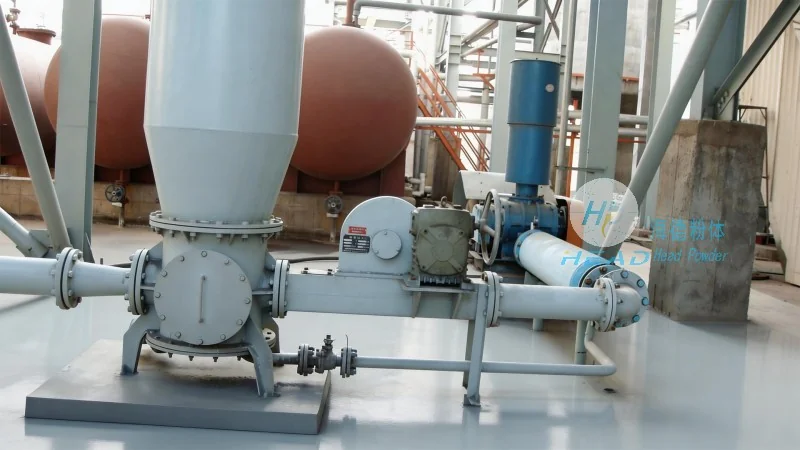
Advantages of HeadPowder's Pneumatic Conveying System
HeadPowder, a leading manufacturer of pneumatic conveying equipment from Shandong, China, offers a range of solutions tailored to the needs of calcium hydroxide powder transport. The company's system is built on years of experience and technological innovation, providing several key advantages over traditional methods. First, the system ensures high efficiency and minimal material loss. By using controlled air pressure and flow rates, the pneumatic conveying system maintains a consistent flow of calcium hydroxide powder, reducing the risk of spillage or degradation. This is particularly important for calcium hydroxide, which can degrade when exposed to air or moisture, affecting its quality and usability. The system also minimizes the need for manual handling, reducing labor costs and improving workplace safety. Unlike mechanical systems that may require frequent cleaning and maintenance, pneumatic conveying systems are designed for continuous operation with minimal downtime.
Second, HeadPowder's pneumatic conveying system offers flexibility and scalability. The system can be configured to handle varying volumes of calcium hydroxide powder, from small batches to large-scale production. It can also be adapted to different distances and layouts, making it suitable for both new installations and retrofitting existing facilities. The modular design allows for easy expansion or modification as the operational needs change. This flexibility is crucial for industries that experience fluctuations in production or need to adjust their material handling processes over time.
Third, the system is environmentally friendly and compliant with modern regulations. Pneumatic conveying reduces the need for open-air handling, minimizing dust emissions and improving air quality in the workplace. This is particularly important for calcium hydroxide powder, which can be a respiratory irritant if inhaled in large quantities. The enclosed system also prevents the material from coming into contact with moisture or contaminants, preserving its quality and reducing waste. Additionally, the system is designed to be energy-efficient, using compressed air only when necessary and optimizing the flow to minimize energy consumption. This not only reduces operational costs but also aligns with sustainability goals in the industry.
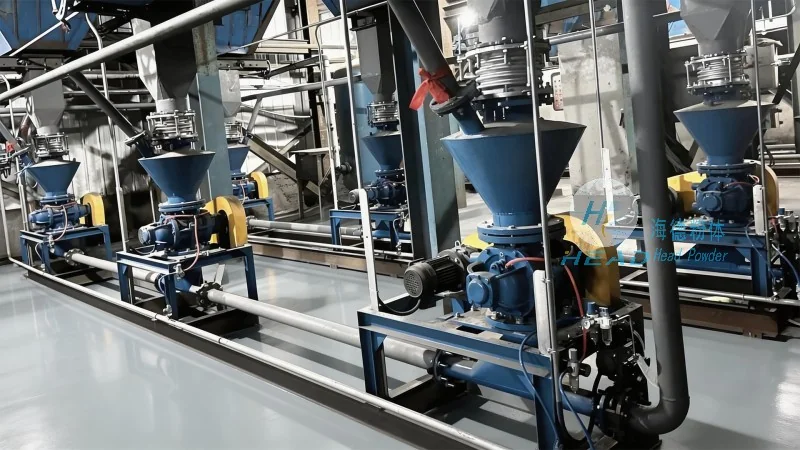
Key Features of HeadPowder's Pneumatic Conveying System
HeadPowder's pneumatic conveying system for calcium hydroxide powder incorporates several advanced features that enhance its performance and reliability. The system includes high-quality materials and components, such as stainless steel or corrosion-resistant alloys, to ensure durability and resistance to the chemical properties of calcium hydroxide. The pipelines and fittings are designed to prevent clogging and material buildup, with smooth surfaces and minimal dead zones where powder can accumulate. The system also features intelligent control systems that monitor air pressure, flow rates, and material levels in real-time. These controls allow for automatic adjustments to maintain optimal performance and prevent issues such as overpressure or underflow. The control panel provides operators with clear visibility of the system's status, enabling quick troubleshooting and maintenance. Furthermore, the system is equipped with safety features, including pressure relief valves and emergency shut-off mechanisms, to protect against potential hazards and ensure safe operation.
Application Scenarios and Case Studies
HeadPowder's pneumatic conveying system has been successfully implemented in various applications involving calcium hydroxide powder. For example, in a water treatment plant, the system was used to transport calcium hydroxide from storage silos to dosing units, ensuring a consistent and controlled addition of the material to the treatment process. The system's efficiency and reliability helped the plant maintain optimal water quality while reducing operational costs. In another case, a construction material manufacturer used the system to transport calcium hydroxide from production lines to packaging facilities, improving the speed and accuracy of the process. The system's ability to handle large volumes and long distances made it an ideal choice for this application. These examples highlight the versatility and effectiveness of HeadPowder's pneumatic conveying system in different industrial settings.