

What is an Iron Fines Powder Conveying Line? What Are Its Design Principles?
Iron fines powder conveying lines are specialized systems engineered to handle and transport fine iron powder efficiently. These systems are crucial in industrial applications where the consistent and reliable movement of iron fines is essential for production processes. The design of such lines involves a combination of mechanical components, control systems, and material handling technologies tailored to the unique properties of iron fines, including their fine particle size, potential for static charge, and susceptibility to caking or agglomeration.
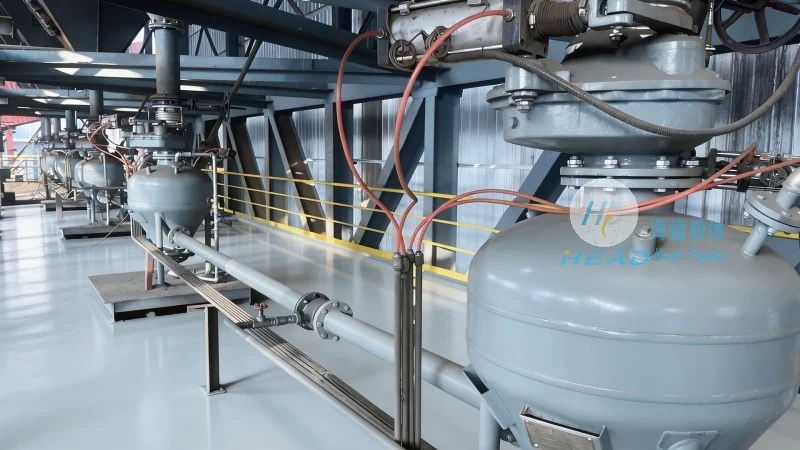
Understanding the Core Components of Iron Fines Powder Conveying Lines
The heart of an iron fines powder conveying line lies in its integrated components, each playing a vital role in ensuring optimal performance. Key elements typically include a feeding mechanism to introduce the iron fines into the system, a conveying device such as a screw conveyor, pneumatic conveyor, or bucket elevator to transport the material, and a control panel to regulate the operation. The feeding mechanism often incorporates features like a hopper with a level sensor to maintain consistent material flow, preventing overfilling or underfilling that could disrupt the conveying process. The conveying device is selected based on the specific characteristics of the iron fines, such as particle size distribution, bulk density, and flowability. For example, pneumatic conveyors are commonly used for fine powders due to their ability to handle high volumes and long distances with minimal maintenance, while screw conveyors are preferred for shorter distances or when the material is prone to caking.
Design Principles for Efficient Iron Fines Powder Conveying
The design principles of iron fines powder conveying lines prioritize efficiency, reliability, and safety. One fundamental principle is the minimization of material degradation and loss during transport. This is achieved through the use of smooth, non-stick surfaces in the conveying components to prevent particle attrition and caking. Additionally, the system is designed to manage static electricity, which can cause powder buildup and affect material flow. Anti-static measures, such as grounding electrodes and conductive materials, are integrated into the design to ensure safe and efficient operation. Another critical principle is the control of air flow and pressure in pneumatic conveying systems. Proper air velocity and pressure ensure that the iron fines are suspended and transported without causing excessive wear on the system components or leading to material deposition in the lines. The design also considers the need for easy maintenance and cleaning, with components that can be easily disassembled and cleaned to prevent contamination and ensure long-term performance.
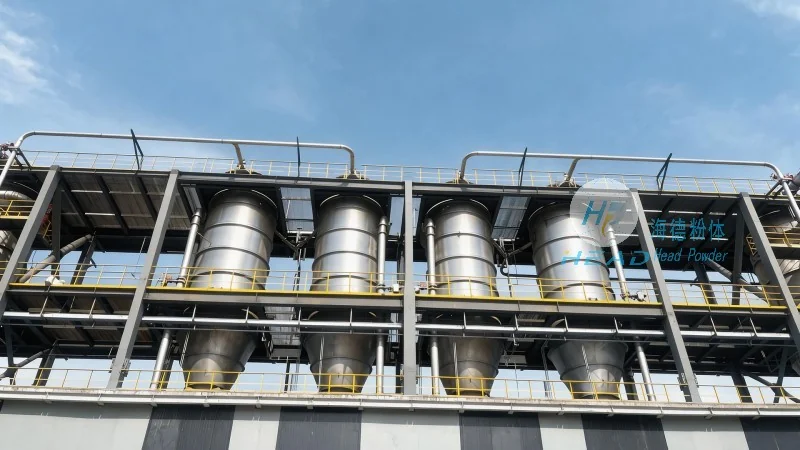
Role of Material Properties in Conveying Line Design
The physical and chemical properties of iron fines significantly influence the design of the conveying line. Iron fines typically have a high density and can be abrasive, which means that the conveying components must be constructed from durable materials like stainless steel or high-grade alloys to withstand wear and tear. The particle size distribution is another critical factor; finer particles require higher air velocities or more gentle handling to prevent clogging and ensure smooth transport. The flowability of the iron fines, which can be affected by moisture content or agglomeration, is also considered. The design may include features like vibration feeders or pre-drying units to improve flowability and prevent blockages. Furthermore, the potential for iron fines to generate static charge due to friction during transport is addressed through the use of anti-static coatings or grounding mechanisms, ensuring that the material remains manageable and does not pose a fire or explosion risk in the system.
Applications and Industries Served by Iron Fines Powder Conveying Lines
Iron fines powder conveying lines are widely used in various industrial sectors where iron powder is a key raw material. These include the production of magnetic materials, powder metallurgy, and the manufacturing of iron-based alloys. In the magnetic materials industry, for example, iron fines are used to produce high-performance magnets, and the conveying line ensures that the material is delivered to the production line in a consistent and controlled manner. In powder metallurgy, the iron fines are used to create metal powders for 3D printing and other advanced manufacturing processes, where the quality and purity of the powder are critical. The conveying line must maintain the integrity of the iron fines, preventing contamination or degradation that could affect the final product quality. Additionally, in the production of iron-based alloys, the consistent supply of iron fines is essential for achieving the desired chemical composition and mechanical properties of the final product.
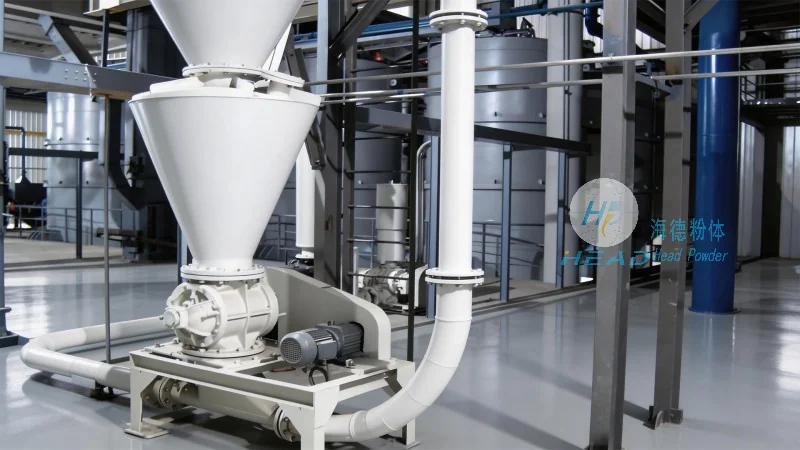
Advantages of Using a Specialized Iron Fines Powder Conveying Line
Investing in a specialized iron fines powder conveying line offers several advantages over traditional manual or bulk handling methods. The primary benefit is the improved efficiency and reliability in material transport. Automated systems can operate continuously with minimal human intervention, reducing labor costs and increasing production throughput. The consistent flow of iron fines ensures that production processes are not interrupted by material shortages or overflows, leading to higher overall productivity. Another advantage is the enhanced safety and environmental control. The system is designed to prevent dust emissions and material loss, reducing the risk of fire or explosion hazards associated with fine powders. Additionally, the controlled environment of the conveying line helps maintain the quality and purity of the iron fines, which is crucial for applications where even minor impurities can affect the final product performance. The modular design of many conveying lines also allows for easy expansion or modification as production needs change, providing flexibility for growing businesses.
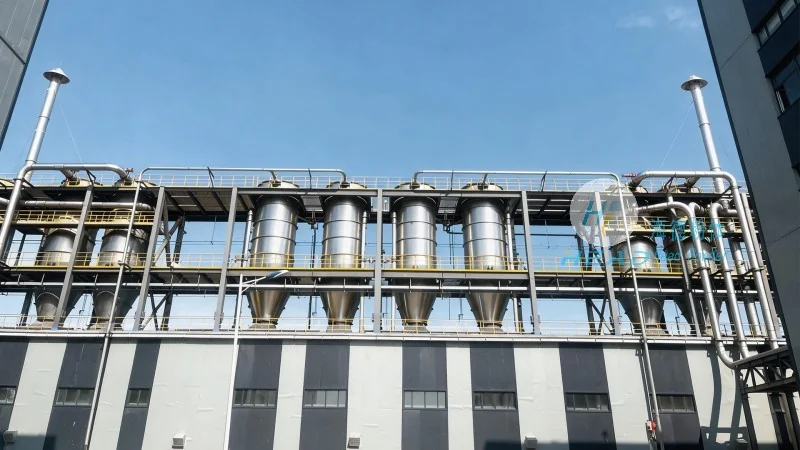
Customization and Integration with Existing Systems
Shandong HeadPowder Engineering Co., Ltd., a leading manufacturer of iron fines powder conveying systems, offers customized solutions tailored to the specific needs of each client. The company, known in the industry as headpowder, understands that different industrial applications require unique solutions, and their design team works closely with clients to develop systems that meet their exact requirements. Customization options include the selection of conveying equipment based on the material properties, the integration of control systems with existing production lines, and the addition of features such as dust collection or material drying units. The company’s engineers also consider the space constraints and operational environment of the client’s facility, ensuring that the conveying line is designed to fit seamlessly into the existing infrastructure. This integration capability is particularly important for clients who need to upgrade their material handling processes without disrupting current operations. The company’s commitment to quality and customer satisfaction is reflected in their comprehensive after-sales support, including maintenance services and technical assistance to ensure the long-term performance of the conveying line.
Conclusion: The Importance of Well-Designed Iron Fines Powder Conveying Lines
In conclusion, iron fines powder conveying lines are essential equipment for industries that rely on the efficient and reliable transport of fine iron powder. The design principles and components of these systems are carefully engineered to address the unique challenges posed by iron fines, including their particle size, flowability, and potential for static charge. By investing in a well-designed conveying line, businesses can improve their production efficiency, maintain product quality, and ensure workplace safety. Shandong HeadPowder Engineering Co., Ltd., with its expertise and commitment to customization, provides high-quality iron fines powder conveying solutions that meet the diverse needs of industrial clients. As the demand for advanced materials and manufacturing processes continues to grow, the importance of reliable material handling systems like these will only increase, making them a critical component of modern industrial operations.