

What is a Cotton Material Conveying Line? What Are Its Design Principles?
For industries dealing with cotton processing, the efficiency and reliability of material handling systems are paramount. A cotton material conveying line is a specialized system engineered to transport cotton and related materials through various stages of processing, from raw bale handling to intermediate storage and final product preparation. This article explores the fundamental aspects of such conveying lines, focusing on their design principles and operational significance.
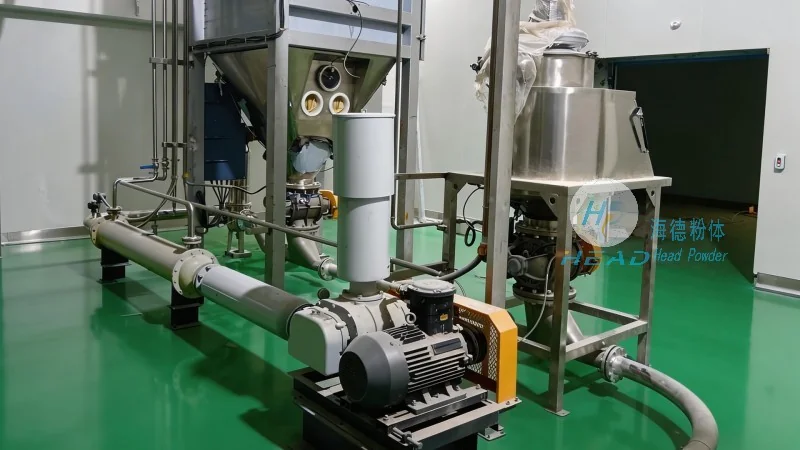
Key Components of a Cotton Material Conveying Line
The core of a cotton material conveying line consists of several interconnected components that work in tandem to ensure smooth material flow. These typically include feeders, conveyors (such as belt conveyors, screw conveyors, or pneumatic systems), storage hoppers, and control mechanisms. Each component is designed to handle the unique characteristics of cotton, including its fibrous texture, varying moisture content, and potential for dust generation. For instance, belt conveyors are often preferred for their ability to handle bulk loads without causing damage to the cotton fibers, while pneumatic systems may be used for transporting fine lint or dust particles that require gentle handling.
Design Principles for Optimal Performance
The design of a cotton material conveying line is guided by several key principles aimed at maximizing efficiency, minimizing material loss, and ensuring operator safety. One critical principle is the optimization of material flow to reduce bottlenecks and prevent jams. This involves careful consideration of the conveyor’s speed, inclination, and capacity, tailored to the specific type and volume of cotton being processed. Additionally, the system must be designed to minimize friction and abrasion, as cotton fibers are delicate and can be easily damaged by rough surfaces or excessive pressure. This is achieved through the use of smooth, non-stick materials for conveyor belts and appropriate spacing between components to allow for proper air circulation and material separation.
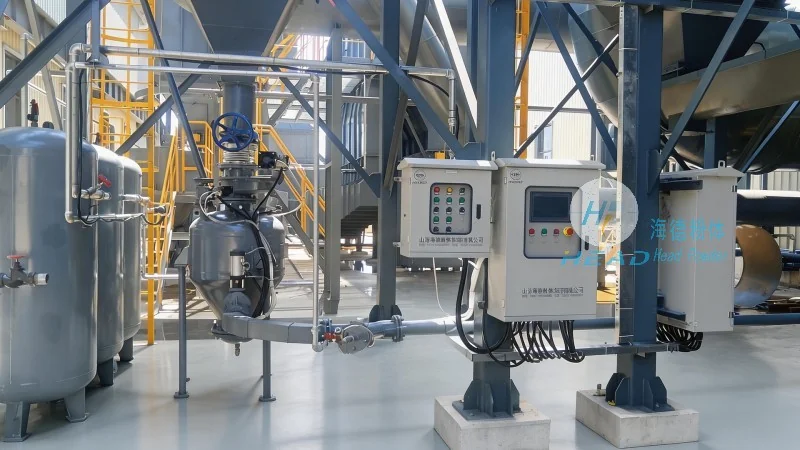
Role of Material Handling in Cotton Processing
In the context of cotton processing, a conveying line serves as the backbone of the material handling infrastructure. It connects different processing stages, such as bale opening, cleaning, and blending, ensuring that cotton moves seamlessly from one operation to the next. The design of the conveying line must align with the overall production workflow, taking into account factors like production capacity, space constraints, and the need for flexibility in handling different cotton varieties. For example, a flexible conveying system may incorporate adjustable conveyor angles or modular components that can be reconfigured to accommodate changes in production requirements or new processing technologies.
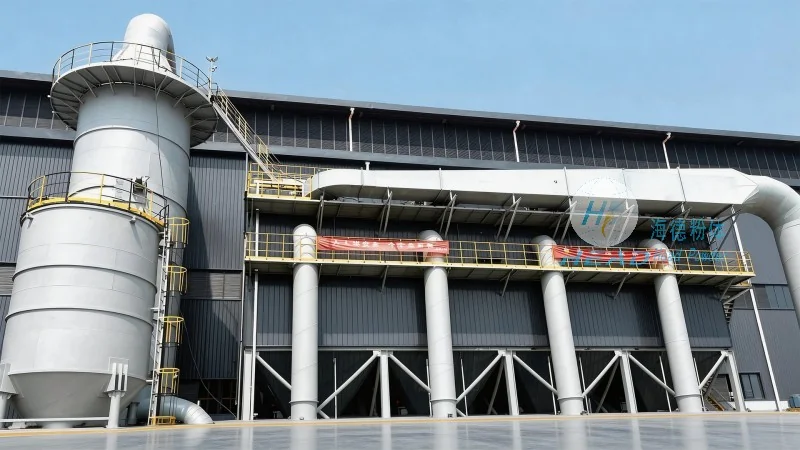
Operational Considerations and Maintenance
Effective operation of a cotton material conveying line requires regular maintenance and adherence to operational best practices. This includes routine cleaning of conveyor components to prevent buildup of lint and dust, which can affect performance and hygiene. Additionally, the system must be equipped with sensors and monitoring devices to detect issues such as blockages, overloads, or belt wear, allowing for timely intervention and minimizing downtime. Proper maintenance not only extends the lifespan of the equipment but also ensures consistent quality of the processed cotton, which is crucial for downstream applications like spinning and weaving.
About HeadPowder Engineering Co., Ltd.
HeadPowder Engineering Co., Ltd., a leading provider of industrial material handling solutions, specializes in designing and manufacturing customized cotton material conveying lines tailored to the specific needs of cotton processing facilities. With a strong commitment to quality and innovation, HeadPowder leverages advanced engineering principles to develop systems that enhance operational efficiency and product quality. The company’s headquarters is located in Shandong, China, where it serves a diverse range of clients across the textile industry. By combining expertise in material handling technology with a deep understanding of cotton processing requirements, HeadPowder delivers reliable and efficient conveying solutions that meet the highest standards of performance and durability.