

What is a Mineral Powder Material Conveying Line? And What Are Its Design Principles?
When it comes to industrial material handling, especially in sectors dealing with mineral powders, the efficiency and reliability of conveying systems are paramount. A mineral powder material conveying line is a specialized system engineered to transport bulk mineral powders from one location to another within a production facility or across different stages of processing. This equipment is crucial for maintaining smooth operations, ensuring product quality, and optimizing workflow in industries such as mining, chemical processing, and food processing.
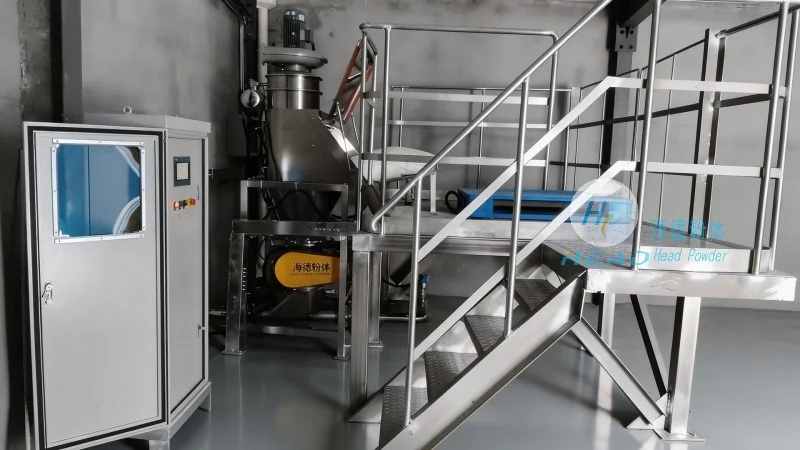
Understanding the Core Components of a Mineral Powder Conveying Line
A typical mineral powder material conveying line consists of several key components that work in tandem to achieve efficient material transport. The primary elements include a feeding device, a conveyor mechanism (such as a screw conveyor, pneumatic conveyor, or belt conveyor), a control system, and a discharge mechanism. Each component plays a vital role in the overall functionality of the system.
The feeding device is responsible for introducing the mineral powder into the conveying line. This can be a hopper, a rotary valve, or a feeder that ensures a consistent and controlled flow of material. The choice of feeding device depends on the characteristics of the powder, such as its density, flowability, and moisture content. For example, a hopper with a sloped bottom is often used to prevent material buildup and ensure smooth feeding.
The conveyor mechanism is the heart of the system, responsible for moving the mineral powder along the designated path. There are several types of conveyors suitable for mineral powders, each with its own advantages and applications. Screw conveyors, for instance, use a rotating screw to push material forward, making them ideal for handling dry, free-flowing powders. Pneumatic conveyors, on the other hand, use air pressure to transport powders in a closed system, which is beneficial for handling dusty or abrasive materials.
The control system is essential for managing the operation of the conveying line. It includes sensors, controllers, and actuators that monitor the flow rate, pressure, and other parameters. This system allows operators to adjust the conveyor speed, feeding rate, and other settings to maintain optimal performance. Modern control systems often incorporate automation features, such as variable frequency drives (VFDs), which enable precise control over the conveying process and energy efficiency.
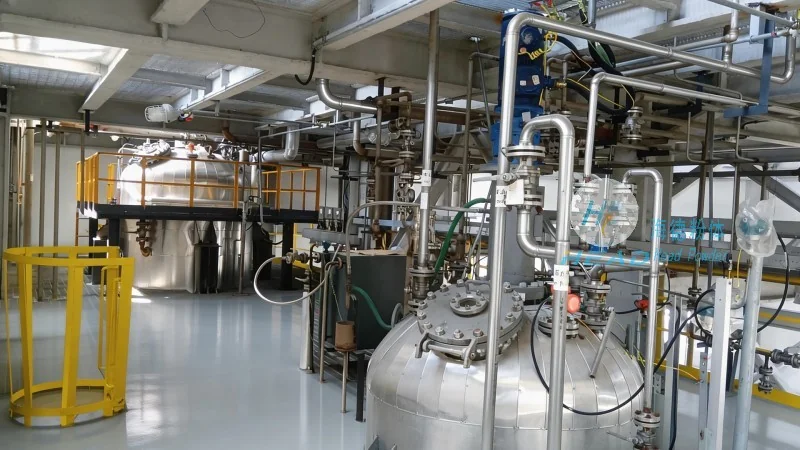
The discharge mechanism is responsible for releasing the mineral powder at the desired location. This can be a discharge valve, a rotary valve, or a hopper that directs the material to the next processing stage or storage area. The design of the discharge mechanism must ensure that the powder is discharged without causing blockages or spillage, which is critical for maintaining safety and product integrity.
The Design Principles Behind Mineral Powder Conveying Lines
The design of a mineral powder material conveying line is based on several fundamental principles that ensure its effectiveness and durability. These principles are tailored to the unique properties of mineral powders, such as their particle size, density, and flow characteristics. The primary design considerations include material selection, system layout, and operational efficiency.
Material selection is a critical aspect of the design process. The components of the conveying line, such as the conveyor housing, screws, and hoppers, must be made from materials that are resistant to corrosion, abrasion, and wear. For example, stainless steel is often used for conveying corrosive mineral powders, while high-strength alloys are used for abrasive materials. The choice of material directly impacts the longevity and performance of the system.
System layout is another key design principle. The layout of the conveying line must be optimized to minimize the distance the material needs to travel and to avoid unnecessary turns or bends. This reduces energy consumption and prevents material degradation due to excessive friction or impact. The layout also considers the available space in the facility and the need to integrate the conveying line with other equipment, such as storage silos or processing units.
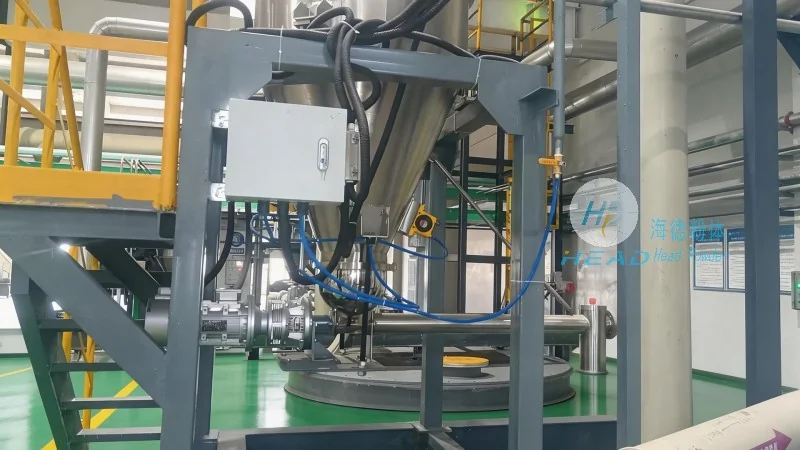
Operational efficiency is a primary goal in the design of mineral powder conveying lines. Engineers aim to maximize the throughput of the system while minimizing energy consumption and maintenance requirements. This involves selecting the appropriate conveyor type and size based on the required capacity and the characteristics of the powder. For instance, a larger screw conveyor may be needed to handle high volumes of dry mineral powder, while a smaller pneumatic conveyor may be sufficient for low-volume, dusty powders.
Additionally, the design incorporates features to ensure safety and product quality. This includes dust collection systems to prevent airborne particles from contaminating the environment, and sealing mechanisms to prevent material leakage. The control system also includes safety features, such as emergency stop buttons and overload protection, to prevent accidents and equipment damage.
Applications and Benefits of Mineral Powder Conveying Lines
Mineral powder material conveying lines are widely used in various industries due to their versatility and efficiency. They are particularly valuable in applications where bulk mineral powders need to be transported over long distances or through complex layouts. Some common applications include the transportation of coal, cement, limestone, and other industrial minerals in mining and manufacturing facilities.
The benefits of using a mineral powder conveying line extend beyond mere material transport. These systems offer several advantages that contribute to improved operational performance and cost savings. One of the primary benefits is the reduction in labor costs, as automated conveying systems eliminate the need for manual handling of heavy or hazardous materials. This also enhances workplace safety by minimizing the risk of accidents and exposure to dust. Companies like Shandong HeadPowder Engineering Co., Ltd. specialize in designing and manufacturing such systems, ensuring they meet the specific requirements of their clients and provide long-term operational benefits.
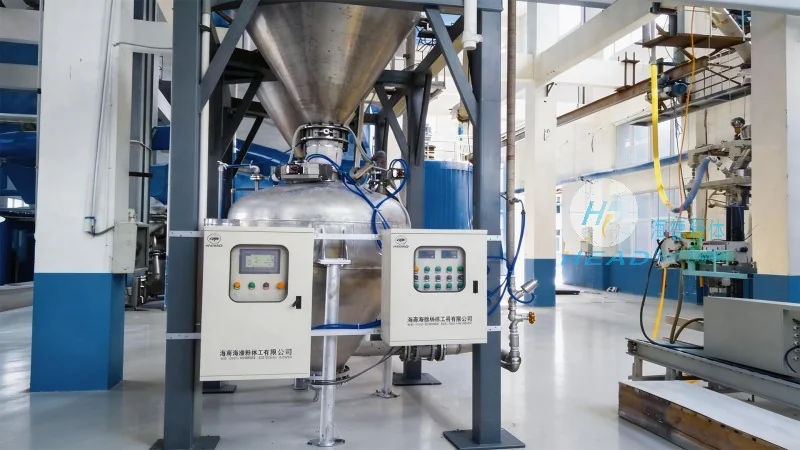
Another significant benefit is the improvement in product quality. By using a controlled conveying system, the risk of material segregation or contamination is minimized. This ensures that the mineral powder reaches the next processing stage in a consistent and uniform condition, which is crucial for maintaining product quality and meeting regulatory standards. Additionally, the system helps in reducing material loss and waste, as it prevents spillage and dust emissions.
Energy efficiency is also a key advantage of modern mineral powder conveying lines. Advanced control systems and energy-efficient conveyor designs help reduce energy consumption, leading to lower operational costs. For example, VFDs allow for variable speed control, which adjusts the conveyor speed based on the material flow rate, resulting in significant energy savings compared to fixed-speed systems.
Conclusion: The Importance of Proper Design and Implementation
In conclusion, a mineral powder material conveying line is a sophisticated system designed to efficiently transport bulk mineral powders in industrial settings. The design principles, components, and applications of these systems are tailored to meet the specific needs of the industry, ensuring optimal performance, safety, and cost-effectiveness. The proper selection and implementation of a conveying line are critical to maintaining smooth operations and achieving the desired production goals.
For industries dealing with mineral powders, investing in a well-designed conveying system is a strategic decision that can lead to long-term benefits. By understanding the core components and design principles of these systems, companies can make informed choices that enhance their operational efficiency and product quality. As technology continues to advance, the design and functionality of mineral powder conveying lines are expected to improve, further optimizing material handling processes.