

What is Copper Oxide Material Handling Equipment? What Are Its Design Principles?
When dealing with copper oxide, an essential mineral in various industrial applications, efficient material handling is crucial for optimizing production processes and ensuring safety. Copper oxide is widely used in industries such as electronics, ceramics, and pharmaceuticals, making reliable equipment for transporting and processing this material indispensable. This article explores the key aspects of copper oxide material handling equipment, focusing on its design principles and how they contribute to effective material management.
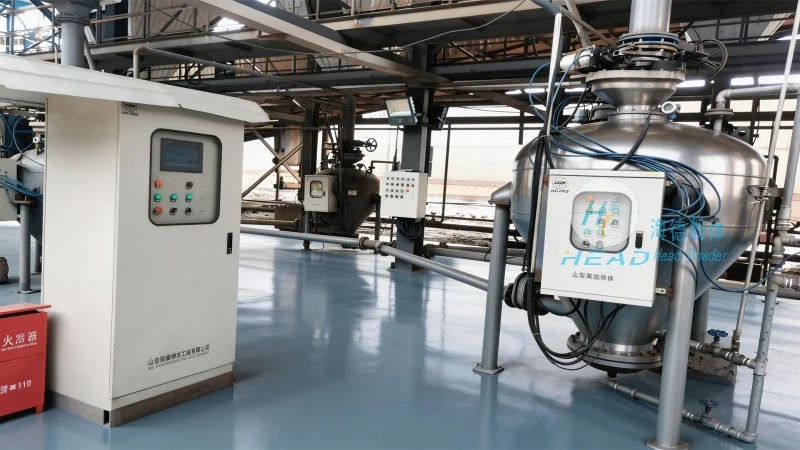
About HeadPowder: A Leading Provider of Material Handling Solutions
HeadPowder, a prominent company in the field of material handling technology, specializes in developing and manufacturing equipment tailored to the needs of various industries. With a strong commitment to quality and innovation, HeadPowder has established itself as a trusted partner for businesses requiring efficient and reliable material handling solutions. The company’s headquarters is located in Shandong, China, where it leverages advanced engineering and manufacturing capabilities to produce high-performance equipment. HeadPowder’s expertise lies in understanding the unique challenges of handling copper oxide and designing equipment that addresses these challenges effectively.
Key Components and Design Principles of Copper Oxide Material Handling Equipment
The design of copper oxide material handling equipment is centered on several critical principles to ensure optimal performance, durability, and safety. One of the primary considerations is the material’s physical properties, including its density, abrasiveness, and potential for dust generation. Copper oxide is a fine, powdery substance that can be abrasive and generate dust, which requires equipment designed to minimize wear and control dust exposure. The equipment typically includes components such as hoppers, conveyors, and storage bins, each engineered to handle the material’s characteristics.
Conveyors are a fundamental part of copper oxide material handling systems, and their design is tailored to the material’s flow characteristics. Screw conveyors, for example, are commonly used due to their ability to handle dry, free-flowing materials like copper oxide. These conveyors feature a rotating screw within a tube, which moves the material forward. The design of the screw, including its pitch and diameter, is optimized to prevent clogging and ensure smooth material transport. Additionally, the conveyor’s material of construction is critical; stainless steel or corrosion-resistant alloys are often used to withstand the abrasive nature of copper oxide and prevent contamination.
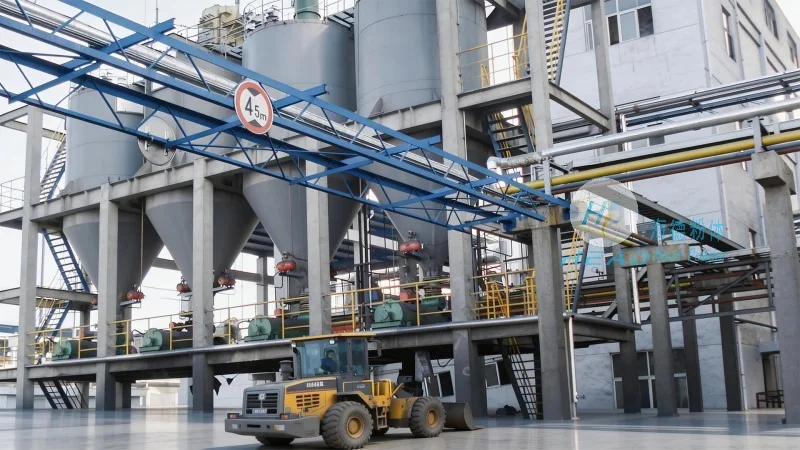
Hoppers and storage bins are another essential component, designed to store and feed copper oxide to the conveyor system. The hoppers are typically made of durable materials, such as reinforced plastic or metal, to resist wear and corrosion. The design of the hopper’s shape and angle is crucial for ensuring proper material flow and preventing bridging or clogging. The bin may include features like level sensors and discharge gates to control the material flow and maintain consistent feeding rates. These components work together to create a seamless material handling process, from storage to transport.
Application of Copper Oxide Material Handling Equipment in Industrial Settings
Copper oxide material handling equipment is widely used in various industrial applications, where its design principles ensure efficient and safe operation. In the electronics industry, copper oxide is used as a raw material for producing copper compounds, which are essential in the manufacturing of printed circuit boards and other electronic components. The equipment used in this sector must be capable of handling fine powders and maintaining high purity standards. HeadPowder’s equipment is designed to meet these requirements, with features such as dust collection systems and enclosed conveyor designs to prevent contamination and ensure product quality.
In the ceramics industry, copper oxide is used as a pigment and a flux in glazes and ceramics. The material handling equipment in this application must be able to handle the material in a way that preserves its color and quality. The equipment may include specialized hoppers and conveyors that minimize exposure to air and moisture, which can affect the material’s properties. HeadPowder’s solutions are tailored to the specific needs of the ceramics industry, ensuring that the copper oxide is handled with care and precision.
In the pharmaceutical industry, copper oxide is used in the production of copper-based drugs and supplements. The material handling equipment in this sector must adhere to strict hygiene and safety standards. The equipment is designed with stainless steel components and enclosed systems to prevent contamination and ensure compliance with regulatory requirements. HeadPowder’s equipment is manufactured to meet these high standards, providing reliable and safe material handling solutions for pharmaceutical applications.
Advantages of Using Copper Oxide Material Handling Equipment from HeadPowder
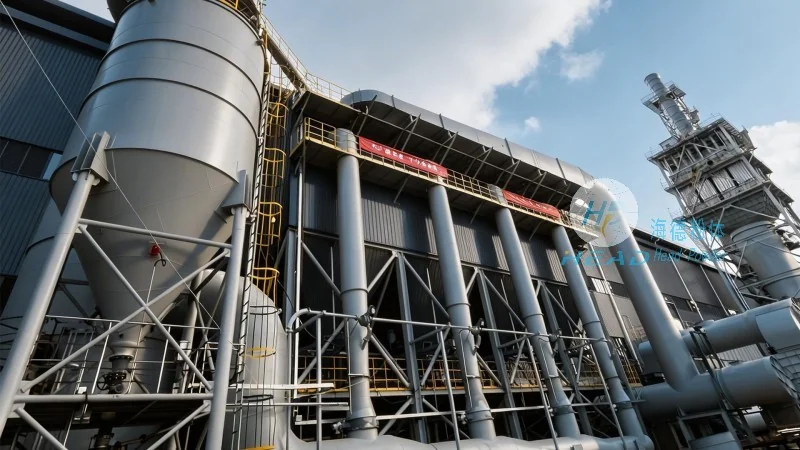
HeadPowder’s copper oxide material handling equipment offers several advantages that make it a preferred choice for businesses in various industries. One of the key advantages is the equipment’s durability and longevity. The use of high-quality materials and robust construction ensures that the equipment can withstand the abrasive nature of copper oxide and operate for extended periods without significant wear. This reduces maintenance costs and downtime, contributing to overall operational efficiency.
Another advantage is the equipment’s efficiency in material transport. The design principles, such as optimized conveyor screw geometry and hopper angles, ensure that the material flows smoothly and consistently. This minimizes material loss and reduces the need for frequent cleaning or maintenance. The enclosed systems and dust collection features also improve operational safety by reducing the risk of dust exposure and contamination.
Furthermore, HeadPowder’s equipment is designed with flexibility in mind. The modular design allows for easy integration into existing production lines and adaptation to changing production needs. This flexibility is particularly valuable in industries where production requirements may vary over time. The company also provides customization options to meet specific customer requirements, ensuring that the equipment is tailored to the unique needs of each application.