

What is Potassium Chloride Material Handling Equipment? What Are Its Design Principles?
Understanding the equipment used for transporting potassium chloride is crucial in industrial processes, especially in sectors dealing with this essential mineral. Potassium chloride (KCl) is a vital resource used in agriculture, pharmaceuticals, and various chemical applications. The efficient handling and transportation of KCl require specialized equipment designed to ensure safety, efficiency, and reliability. This article explores the types of equipment used for potassium chloride material handling and delves into the fundamental design principles that underpin their operation.
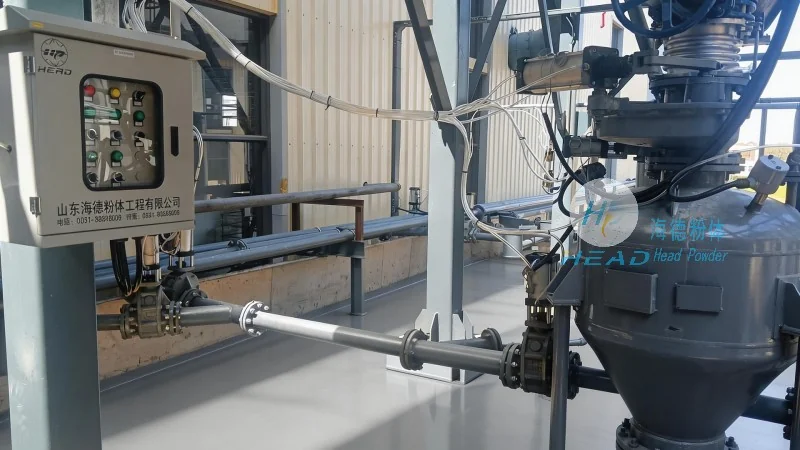
Potassium Chloride: An Overview
Potassium chloride is a white crystalline salt, commonly used as a fertilizer and in the production of other potassium-based compounds. Its physical properties, such as its hygroscopic nature and tendency to clump under certain conditions, present unique challenges in material handling. Effective equipment must address these challenges to prevent material degradation, blockages, and operational inefficiencies. The design of potassium chloride handling systems must consider factors like moisture absorption, particle size distribution, and the potential for dust generation, all of which impact the overall performance of the equipment.
HeadPowder Engineering: A Leader in Material Handling Solutions
Shandong HeadPowder Engineering Co., Ltd., based in China, specializes in providing advanced material handling solutions tailored to the needs of various industries. With a focus on innovation and customer-centric design, HeadPowder Engineering has established itself as a trusted provider of equipment for handling challenging materials like potassium chloride. The company's expertise lies in understanding the specific requirements of each application and developing customized solutions that enhance operational efficiency and safety. By leveraging years of experience and a commitment to quality, HeadPowder Engineering ensures that their equipment meets the highest standards in the industry.
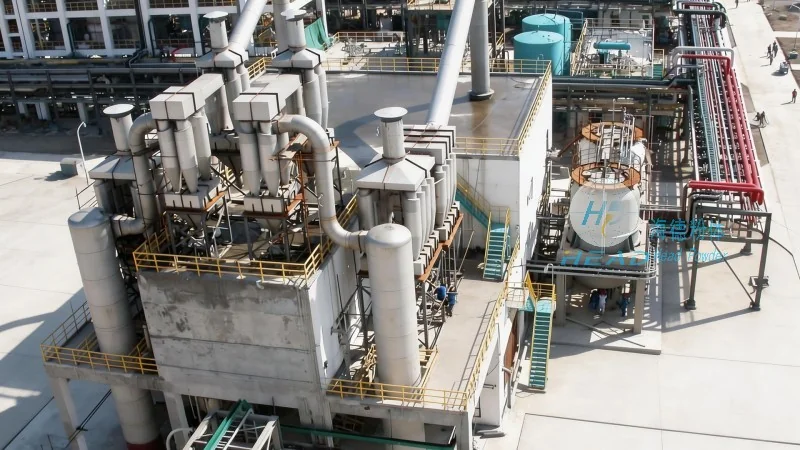
Key Components of Potassium Chloride Material Handling Equipment
The design of potassium chloride material handling equipment involves several critical components that work in tandem to ensure smooth operation. These components include feeders, conveyors, storage silos, and discharge systems, each designed to address the unique characteristics of KCl. Feeders, such as rotary or vibratory types, are used to control the flow of material from storage silos to the conveyor system. Conveyors, often belt or screw types, transport the potassium chloride from one location to another, ensuring consistent and reliable movement. Storage silos are designed to maintain the material's quality by controlling moisture and preventing clumping. Discharge systems, including valves and chutes, facilitate the controlled release of material to downstream processes or packaging units.
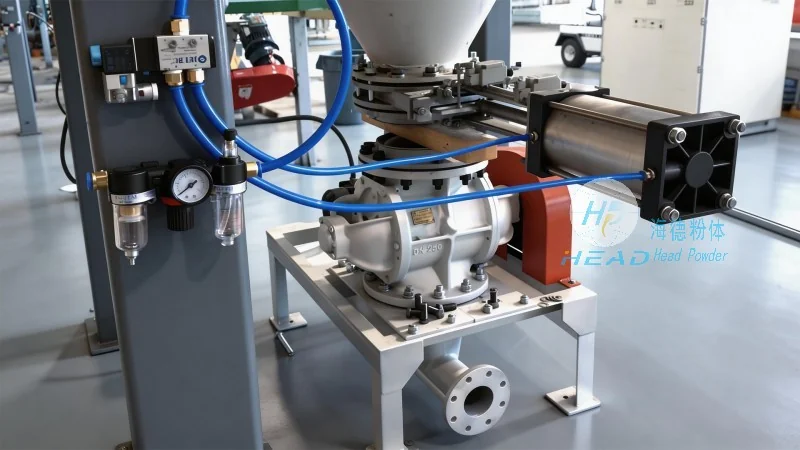
Design Principles for Efficient Potassium Chloride Handling
The design principles for potassium chloride material handling equipment are centered on maximizing efficiency, safety, and durability. One of the primary considerations is the prevention of material degradation, which can occur due to moisture absorption or excessive friction. Equipment designers incorporate features like moisture-resistant materials, anti-static coatings, and smooth surfaces to minimize these risks. Another critical principle is the prevention of blockages and clogging, which can lead to downtime and increased maintenance costs. This is achieved through the use of specialized feeders that ensure a consistent flow rate and the incorporation of cleaning mechanisms in the conveyor system. Additionally, the design must consider the ergonomic aspects of operation, ensuring that the equipment is easy to maintain and service, reducing downtime and operational costs.
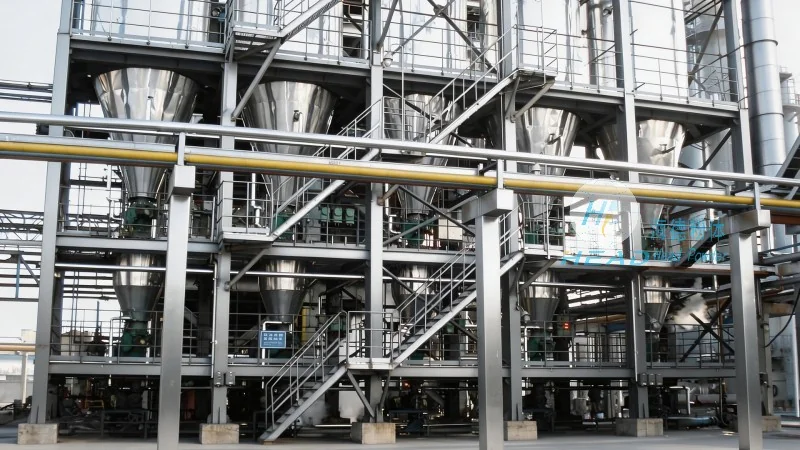
Application-Specific Considerations
The application of potassium chloride handling equipment varies depending on the end-use of the material. In agricultural settings, the equipment is designed to handle bulk quantities of KCl for fertilizer distribution, often requiring large storage capacities and high-capacity conveyors. In pharmaceutical and chemical industries, the equipment must meet stringent purity and contamination control standards, necessitating the use of cleanroom-compatible materials and advanced filtration systems. The design of the equipment must also account for the specific processing requirements of each application, such as the need for precise dosing or the integration with other processing equipment. By tailoring the equipment to the specific needs of each application, HeadPowder Engineering ensures optimal performance and customer satisfaction.
Conclusion
Potassium chloride material handling equipment plays a vital role in ensuring the efficient and safe transportation of this essential mineral. The design principles that guide the development of such equipment focus on addressing the unique challenges posed by KCl, including its hygroscopic nature and tendency to clump. Companies like Shandong HeadPowder Engineering Co., Ltd. play a crucial role in providing advanced solutions that meet the demands of various industries. By understanding the fundamental design principles and the specific requirements of each application, industries can optimize their material handling processes, leading to increased efficiency, reduced costs, and improved product quality.