

Common Sulfur Powder Conveying Methods: Advantages and Features of HeadPowder's Pneumatic Conveying System
When it comes to transporting sulfur powder, selecting the right conveying method is crucial for ensuring efficiency, safety, and cost-effectiveness in industrial operations. Sulfur powder, due to its fine particle size and dusty nature, requires specialized equipment to handle without causing blockages, contamination, or operational issues. Traditional mechanical conveying systems, such as screw conveyors or belt conveyors, often struggle with these challenges, leading to frequent maintenance and reduced productivity. In response, pneumatic conveying has emerged as a preferred solution, offering a more reliable and efficient approach to sulfur powder transport. This article explores common sulfur powder conveying methods and highlights the advantages of HeadPowder's pneumatic conveying system.
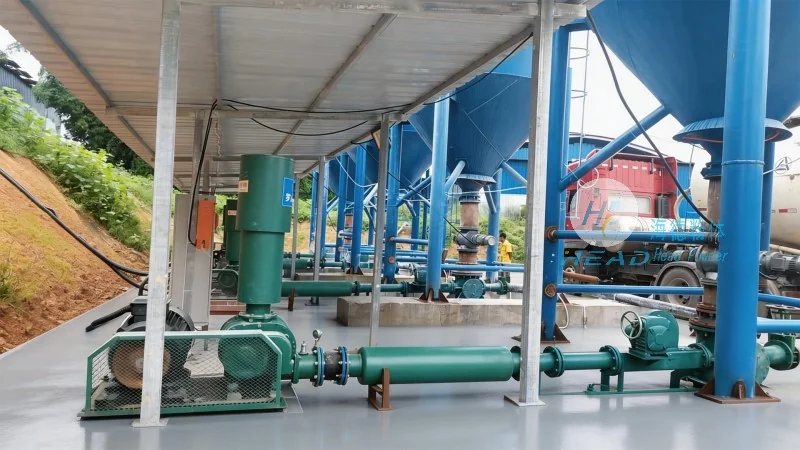
Common Sulfur Powder Conveying Methods
There are primarily two categories of sulfur powder conveying methods: mechanical and pneumatic. Mechanical systems rely on physical force to move the material, typically using components like screws, belts, or buckets. Screw conveyors, for example, use a rotating screw to push the powder forward, while belt conveyors utilize a moving belt to transport the material horizontally or at an incline. Bucket elevators, on the other hand, lift the powder vertically using a series of buckets attached to a chain or belt. While these methods are widely used in various industries, they have inherent limitations when handling fine powders like sulfur powder.
One of the main drawbacks of mechanical conveying is the risk of material clogging. Sulfur powder, being fine and cohesive, can easily stick to the surfaces of screw or belt conveyors, leading to blockages that require manual intervention or equipment shutdown. Additionally, mechanical systems often experience wear and tear on components due to the abrasive nature of the powder, resulting in higher maintenance costs and potential downtime. Another challenge is the limited ability of mechanical conveyors to handle high volumes or long distances, as the pressure drop increases with the length of the conveyor, reducing the efficiency of material transport.
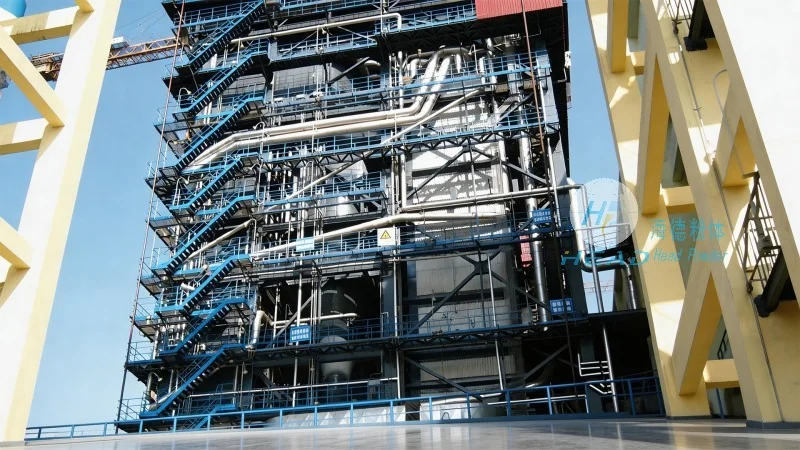
HeadPowder's Pneumatic Conveying System: Advantages and Features
HeadPowder Engineering Co., Ltd., a leading manufacturer based in Shandong, China, specializes in developing advanced pneumatic conveying systems tailored for sulfur powder handling. The company's pneumatic system operates on the principle of creating a controlled airflow that draws the sulfur powder from the source to the destination, eliminating the need for physical contact between the powder and the conveying equipment. This approach offers several key advantages over traditional mechanical methods.
First, the system provides high efficiency in material transport. By using air to move the powder, the conveying process is continuous and smooth, with minimal pressure drops along the line. This ensures that the sulfur powder reaches its destination without loss of material or degradation in quality. The system also allows for the handling of both low and high volumes of sulfur powder, making it adaptable to various production scales. For instance, small-scale processing plants can use the system for batch processing, while large industrial facilities can utilize it for continuous production, ensuring consistent output.
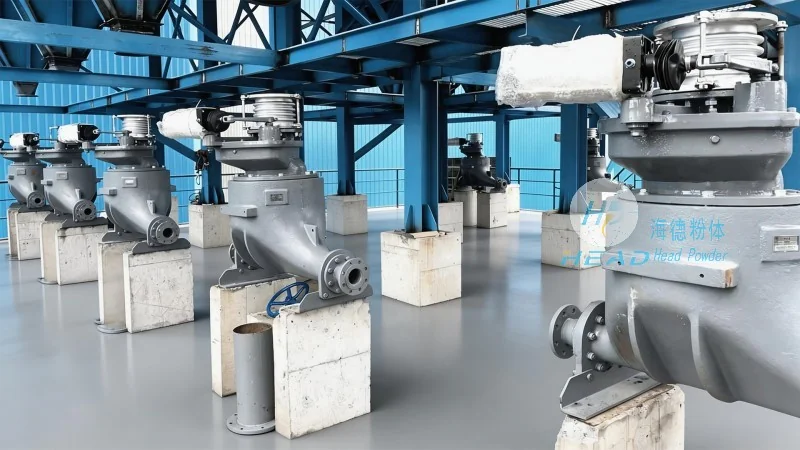
Second, the pneumatic conveying system from HeadPowder requires minimal maintenance. Unlike mechanical systems that have moving parts such as screws or belts, the conveying line itself has no moving components, reducing the risk of wear and tear. This translates to lower maintenance costs and longer equipment lifespan. The system also features easy-to-clean components, which is essential for handling sulfur powder that can accumulate in crevices and cause operational issues if not properly maintained.
Third, the system is designed with safety and environmental considerations in mind. HeadPowder's pneumatic conveying system incorporates pressure relief valves and dust collection systems to prevent over-pressurization and environmental contamination. The dust collection system ensures that the sulfur powder is contained within the system, reducing the risk of dust exposure to workers and minimizing the impact on the surrounding environment. This compliance with safety and environmental regulations is a critical factor for industrial operations, especially in industries where dust control is mandatory.
Flexibility and Integration with Existing Systems
Another significant advantage of HeadPowder's pneumatic conveying system is its flexibility in design and integration. The modular nature of the system allows for easy customization to fit the specific requirements of a facility. For example, the system can be configured for horizontal, vertical, or combined conveying paths, depending on the layout of the production line. This flexibility enables the system to be integrated with existing equipment without major modifications, reducing installation time and costs. The system also supports various control options, including manual and automated operation, allowing for seamless integration with existing control systems in the plant.
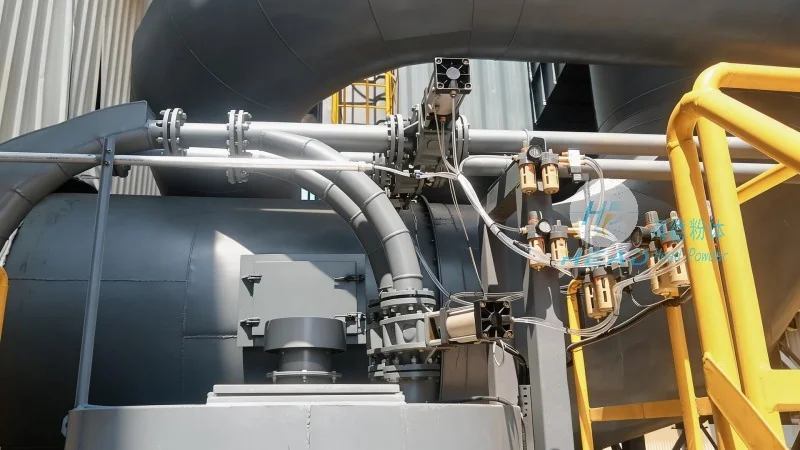
Energy Efficiency and Cost-Effectiveness
HeadPowder's pneumatic conveying system is designed with energy efficiency in mind, contributing to lower operational costs over time. The system uses a controlled airflow, which minimizes energy consumption compared to mechanical systems that rely on mechanical force to move the material. Additionally, the reduced maintenance requirements and longer equipment lifespan further enhance the cost-effectiveness of the system. For businesses operating in the sulfur processing industry, this translates to significant savings in both operational and maintenance expenses, making the system a financially viable choice.
Conclusion
In conclusion, while traditional mechanical conveying methods have been used for sulfur powder transport, they often fall short in terms of efficiency, safety, and cost-effectiveness. HeadPowder's pneumatic conveying system offers a superior alternative by leveraging advanced technology and engineering expertise. The system's ability to handle fine powders, reduce maintenance, enhance operational flexibility, and ensure safety makes it an ideal solution for modern industrial applications. By choosing HeadPowder's pneumatic conveying system, businesses can optimize their sulfur powder handling processes, improve productivity, and reduce operational costs. As a leading manufacturer based in Shandong, China, HeadPowder continues to provide reliable and efficient solutions that meet the evolving needs of the industrial sector.