

What is a Crystal Powder Conveying Machine? What are its Design Principles?
Crystal powder conveying machines are specialized equipment designed for the efficient handling and transportation of crystalline powders in industrial settings. These machines play a crucial role in various industries, including pharmaceuticals, chemicals, food processing, and more, where the precise and reliable movement of such materials is essential for production efficiency and product quality. Understanding the functionality and design principles of these machines is vital for industries that rely on consistent powder flow and processing.
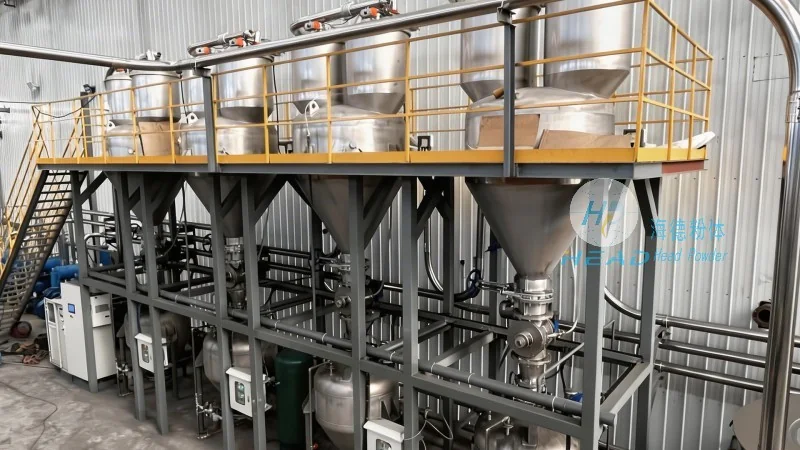
Introduction to Crystal Powder Conveying Machines
Crystal powder conveying machines, also known as crystalline powder transport systems, are engineered to handle fine, granular, or crystalline materials that require gentle handling to prevent agglomeration or degradation. Unlike traditional bulk material handling equipment, these machines are specifically tailored to the unique properties of crystalline powders, such as their tendency to stick together or create dust during transport. The design of these systems addresses these challenges through specialized components and operational mechanisms.
Company Profile: Shandong HeadPowder Engineering Co., Ltd.
HeadPowder, a leading manufacturer in the field of powder handling equipment, specializes in the design, development, and production of high-quality crystal powder conveying machines. With a strong commitment to innovation and customer satisfaction, the company has established itself as a trusted partner for industries seeking reliable and efficient powder transport solutions. HeadPowder's headquarters is located in Shandong, China, where the company leverages advanced technology and skilled engineering expertise to deliver superior products that meet the demanding requirements of modern industrial applications.
Design Principles of Crystal Powder Conveying Machines
The design of a crystal powder conveying machine is centered on several key principles to ensure optimal performance and material integrity. One of the primary considerations is the prevention of material degradation, which is achieved through gentle handling mechanisms. The machine typically features components like screw conveyors, pneumatic systems, or belt conveyors, each designed to minimize friction and impact on the crystalline particles. For example, screw conveyors use rotating screws to move materials in a controlled manner, reducing the risk of particle breakage or agglomeration. Pneumatic conveying systems, on the other hand, utilize air pressure to transport powders through pipelines, offering a dust-free and low-maintenance solution for certain applications.
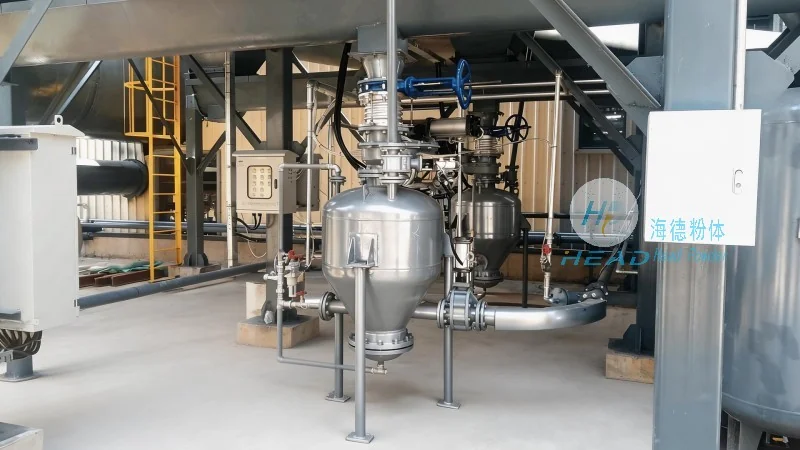
Another critical design principle is the ability to handle varying particle sizes and densities. Crystal powders often have a wide range of particle dimensions, from fine powders to larger crystals, and the conveying system must accommodate these variations without causing blockages or uneven flow. To address this, manufacturers incorporate adjustable speed controls, variable pitch screws, or multiple conveying stages that can be customized based on the specific material characteristics. Additionally, the machine's design includes features such as anti-static coatings and dust collection systems to ensure safety and compliance with industrial standards.
Key Components and Operational Mechanisms
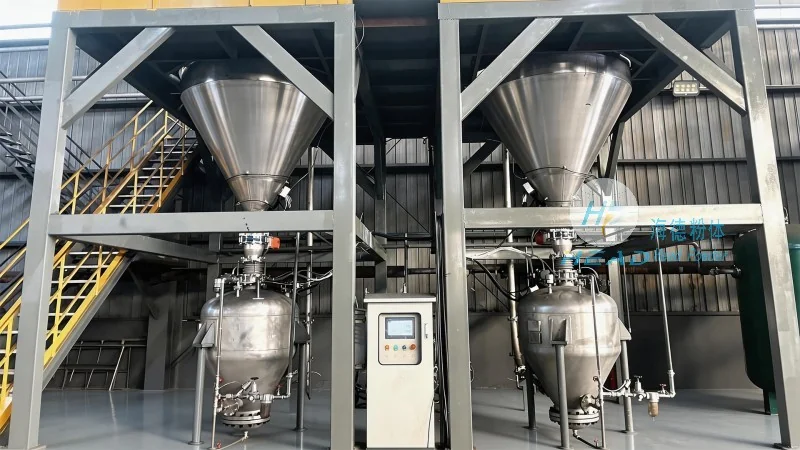
A typical crystal powder conveying machine consists of several key components that work in tandem to achieve efficient material transport. The main components include the feed hopper, conveying mechanism (e.g., screw, pneumatic, or belt), control system, and discharge outlet. The feed hopper is designed to hold the crystalline powder and regulate the flow rate into the conveying system, preventing overloading and ensuring a steady supply of material. The conveying mechanism is the core of the machine, responsible for moving the powder from the inlet to the outlet. In screw conveyors, the rotating screw pushes the material forward, while in pneumatic systems, compressed air creates a flow that carries the particles through the pipeline.
The control system is another essential part of the machine, allowing operators to adjust parameters such as speed, pressure, or flow rate to optimize performance. This system may include sensors that monitor the material level, pressure, or temperature, providing real-time feedback to the operator. The discharge outlet is designed to release the material in a controlled manner, preventing spillage and ensuring that the powder is delivered to the next processing stage without loss or contamination.
Advantages and Applications
Crystal powder conveying machines offer several advantages over traditional handling methods, making them ideal for industries that require precise and reliable powder transport. One of the main benefits is the ability to handle fine, delicate materials without causing damage or degradation. This is particularly important in pharmaceutical and food industries, where product quality and safety are paramount. Additionally, these machines provide a dust-free and clean environment, reducing the risk of contamination and improving workplace safety.
The applications of crystal powder conveying machines are diverse and widespread. In the pharmaceutical industry, they are used to transport active pharmaceutical ingredients (APIs) and excipients, ensuring that the materials are handled gently and efficiently. In the chemical industry, they are employed to move various chemical powders, including catalysts and reagents, to reactors and processing units. The food processing industry also benefits from these machines, as they are used to handle ingredients like sugar, flour, and spices, maintaining product integrity and consistency.
Conclusion
Crystal powder conveying machines are sophisticated equipment that combines advanced engineering and design principles to address the unique challenges of handling crystalline powders. By understanding the operational mechanisms and design considerations, industries can select the most suitable conveying system to meet their specific needs. With the expertise of manufacturers like Shandong HeadPowder Engineering Co., Ltd., these machines continue to play a vital role in improving production efficiency and product quality across various sectors.