

What is a PTFE Powder Conveying Line? What Are Its Design Principles?
PTFE (Polytetrafluoroethylene) powder conveying lines are specialized systems engineered to handle the unique properties of PTFE powder, a material known for its non-stick, chemical resistance, and thermal stability. These lines are critical in industries where PTFE is processed, such as manufacturing of PTFE-based products, coatings, or components. The design of a PTFE powder conveying line must address the challenges posed by PTFE's fine particle size, low bulk density, and tendency to form agglomerates, ensuring efficient and reliable material transport.
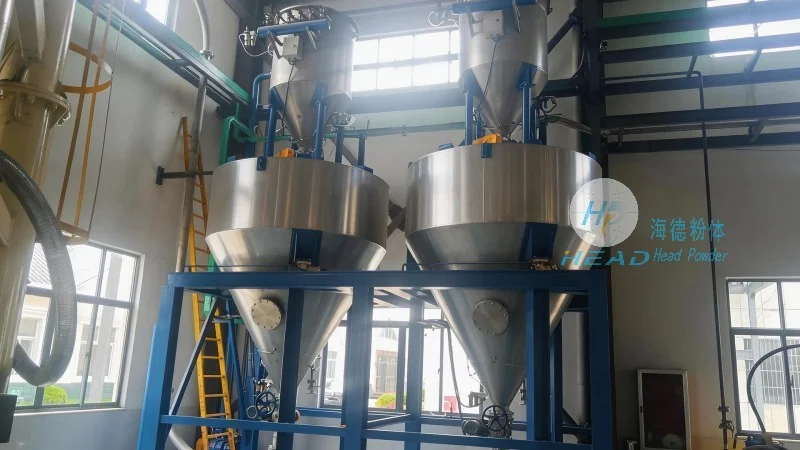
Understanding the Core Components of a PTFE Powder Conveying Line
A typical PTFE powder conveying line consists of several key components that work in tandem to achieve effective material handling. These components include a hopper for material storage, a feeder to control the flow rate, a conveyor system (such as a screw or pneumatic conveyor) to transport the powder, and a control system to regulate the entire process. The hopper is often designed with a smooth, non-stick interior to prevent PTFE powder from adhering to the walls, which could lead to blockages or uneven flow. The feeder, usually a rotary valve or a vibratory feeder, ensures a consistent and controlled discharge of powder into the conveyor. The conveyor system is chosen based on the specific characteristics of the PTFE powder and the required conveying distance. For example, pneumatic conveying systems are common for fine powders due to their ability to handle low bulk density materials and minimize product contamination.
The Design Principles Behind PTFE Powder Conveying Systems
The design principles for PTFE powder conveying lines are centered on minimizing friction, preventing material degradation, and ensuring clean, efficient operation. One of the primary design considerations is the use of materials that are compatible with PTFE. Components such as hoppers, pipes, and valves are often made from stainless steel or PTFE-coated materials to avoid chemical reactions or adhesion. The system is also designed to maintain low shear forces, as excessive friction can cause the PTFE particles to degrade or change their physical properties. Additionally, the design incorporates features to prevent dust generation and ensure environmental compliance, as PTFE powders can be hazardous if not handled properly. The control system plays a crucial role in maintaining optimal operating conditions, such as pressure and flow rate, to prevent clogging and ensure consistent performance.
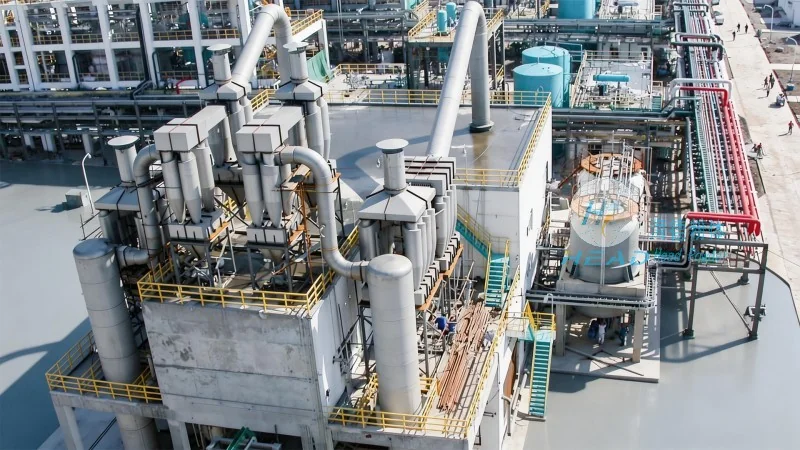
Key Design Features for Optimal PTFE Powder Handling
Several design features are essential for the effective operation of a PTFE powder conveying line. One critical feature is the use of a pre-drying or conditioning step before the powder enters the conveying system. This helps to reduce moisture content and prevent clumping, which can impede the flow. The system may also include a filter or separator to remove any foreign particles or agglomerates that could damage the conveyor or affect the final product quality. Another important feature is the integration of a feedback control mechanism that monitors the flow rate and adjusts the feeder or conveyor speed in real-time. This ensures that the system operates within safe and efficient parameters, preventing overloading or underloading. The design also emphasizes ease of maintenance, with components that can be easily accessed and cleaned to maintain the non-stick properties of the system and prevent contamination.

Applications and Industries Utilizing PTFE Powder Conveying Lines
PTFE powder conveying lines are widely used in various industries where PTFE is a key material. These include the manufacturing of PTFE-based coatings, such as non-stick cookware, and PTFE-based components like gaskets, seals, and bearings. The automotive industry also utilizes these systems for producing PTFE-lined parts that require high chemical resistance. In the pharmaceutical industry, PTFE powder conveying lines are used for handling PTFE-based drug delivery systems or coatings. The food industry benefits from PTFE powder conveying lines in the production of food-grade PTFE products, such as food processing equipment and packaging materials. Each application requires a tailored design to meet specific performance and safety standards, ensuring that the PTFE powder is handled efficiently and safely throughout the production process.
Conclusion: The Importance of Proper Design in PTFE Powder Conveying
In conclusion, a PTFE powder conveying line is a sophisticated system that combines engineering principles with material science to handle the unique challenges of PTFE powder. The design principles, components, and features discussed above are critical for ensuring efficient, reliable, and safe operation. Companies like Shandong HeadPowder Engineering Co., Ltd., based in China, specialize in the design and manufacturing of such systems, providing tailored solutions for various industrial applications. By adhering to these design principles, industries can maximize the performance of their PTFE powder handling processes, reduce downtime, and ensure the quality of their final products. The proper design of a PTFE powder conveying line is essential for any operation that relies on PTFE as a key material, making it a vital investment for modern manufacturing.