

What is a Sand and Gravel Powder Conveying Line? What Are Its Design Principles?
Understanding the sand and gravel powder conveying line is crucial for industries that handle bulk materials, as it plays a vital role in efficient material transportation. This article delves into the concept of such a system and its underlying design principles, providing insights into how these lines operate and are engineered to meet industrial demands.
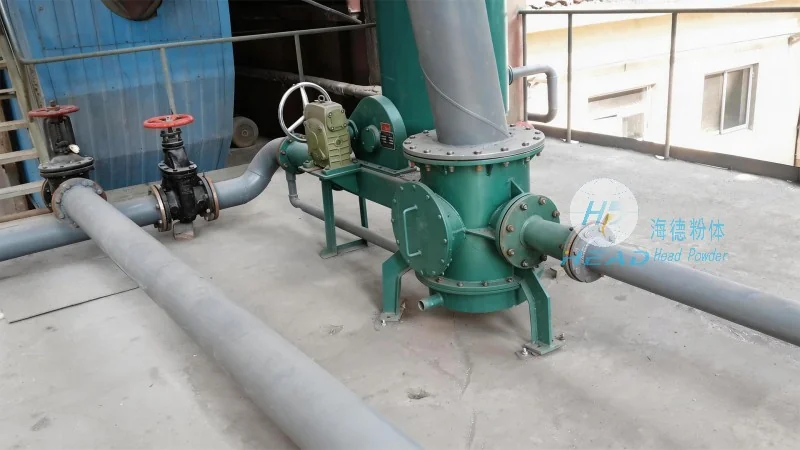
Introduction to Sand and Gravel Powder Conveying Lines
A sand and gravel powder conveying line is a specialized system designed to transport fine powders and granular materials, such as sand, gravel, and other mineral powders, from one location to another. These systems are widely used in construction, mining, and manufacturing industries due to their ability to handle large volumes of material with minimal human intervention. The core components of a typical conveying line include feeders, conveyors, control systems, and discharge mechanisms, all working in harmony to ensure smooth and continuous material flow.
About HeadPowder: The Engineering Expertise
HeadPowder, a leading engineering company based in Shandong, China, specializes in the design, manufacturing, and installation of advanced material handling systems. With a strong commitment to quality and innovation, HeadPowder has established itself as a trusted partner for businesses seeking reliable and efficient sand and gravel powder conveying solutions. The company's team of experienced engineers and technicians leverages cutting-edge technology and industry best practices to develop customized solutions tailored to the unique needs of each client.
Key Design Principles of Sand and Gravel Powder Conveying Lines
The design of a sand and gravel powder conveying line is governed by several critical principles that ensure optimal performance, safety, and longevity. These principles include:
1. Material Compatibility: The system must be constructed from materials that are resistant to corrosion and wear caused by the abrasive nature of sand and gravel. Common materials include stainless steel, alloy steel, and special coatings to protect against material degradation.
2. Efficient Conveying Methods: Different conveying technologies are employed based on the material characteristics and operational requirements. Common methods include pneumatic conveying (using air pressure to move material), mechanical conveying (such as belt conveyors or screw conveyors), and hydraulic conveying. The choice of method depends on factors like material density, particle size, and the distance to be covered.
3. Control and Automation: Modern conveying lines are equipped with advanced control systems that monitor and regulate the flow of material. These systems use sensors, variable frequency drives (VFDs), and programmable logic controllers (PLCs) to maintain consistent speed, pressure, and flow rates, ensuring smooth operation and preventing blockages or overloading.
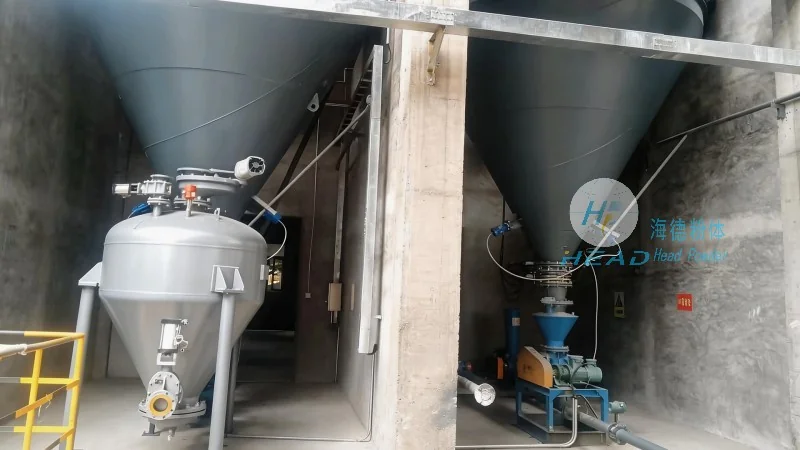
4. Space Optimization: Designing the conveying line to fit within the available space is essential, especially in industrial settings where floor space is limited. Engineers at HeadPowder employ space-saving designs, such as vertical or inclined conveyors, to maximize efficiency without compromising performance.
Components and Their Functions
A sand and gravel powder conveying line consists of several key components, each playing a specific role in the material handling process:
1. Feeders: These devices, such as rotary valves or screw feeders, regulate the flow of material from the source into the conveying system, ensuring a consistent feed rate.
2. Conveyors: The primary component responsible for moving the material. Pneumatic conveyors use air to transport material through pipes, while mechanical conveyors rely on belts, screws, or chains to move material along a path.
3. Control Systems: These systems manage the operation of the conveying line, including start/stop controls, speed adjustments, and safety features like overload protection.
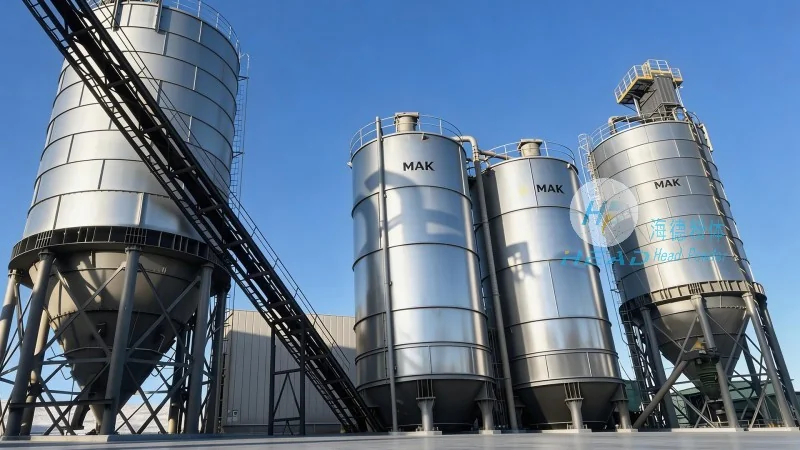
4. Discharge Mechanisms: At the end of the conveying line, discharge devices, such as rotary valves or gates, control the release of material into the destination container or processing unit.
Applications and Benefits
Sand and gravel powder conveying lines are used in a wide range of applications, including:
1. Construction and Building Materials: Transporting sand, gravel, and cement for concrete production and other construction projects.
2. Mining and Mineral Processing: Handling raw materials and finished products in mining operations, such as transporting ore or tailings.
3. Manufacturing and Industrial Production: Conveying powders used in the production of chemicals, pharmaceuticals, and other industrial products.
The benefits of using a sand and gravel powder conveying line include increased efficiency, reduced labor costs, improved safety (by minimizing manual handling), and enhanced product quality due to consistent material flow.