

What is an Automatic Quantitative Bulk Material Pneumatic Conveying System? What are its Design Prin
When it comes to efficient material handling in industrial settings, the automatic quantitative bulk material pneumatic conveying system stands out as a sophisticated solution. This system is engineered to handle the precise and controlled transport of bulk materials, ensuring accuracy and reliability in various production processes. Understanding both the system's functionality and its underlying design principles is crucial for industries seeking to optimize their material handling operations.
Understanding the Automatic Quantitative Pneumatic Conveying System
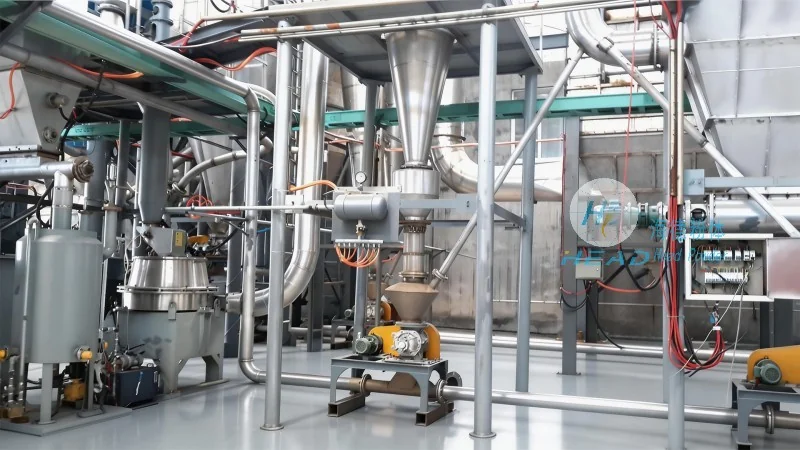
The automatic quantitative bulk material pneumatic conveying system is a specialized equipment designed to transport bulk materials such as powders, granules, and other particulate substances through a pneumatic system. Unlike traditional methods like belt conveyors or bucket elevators, this system utilizes air pressure to move materials from one location to another, offering advantages in terms of flexibility, cleanliness, and the ability to handle materials that are difficult to transport through other means. The system typically consists of several key components, including a hopper for material storage, a feeder to control the flow rate, a conveying line, and a receiver for the material's final destination. The quantitative aspect of the system ensures that the material is conveyed in precise, pre-determined quantities, which is essential for processes that require exact measurements, such as in pharmaceutical manufacturing, food processing, or chemical production.
Design Principles of the Automatic Quantitative Pneumatic Conveying System
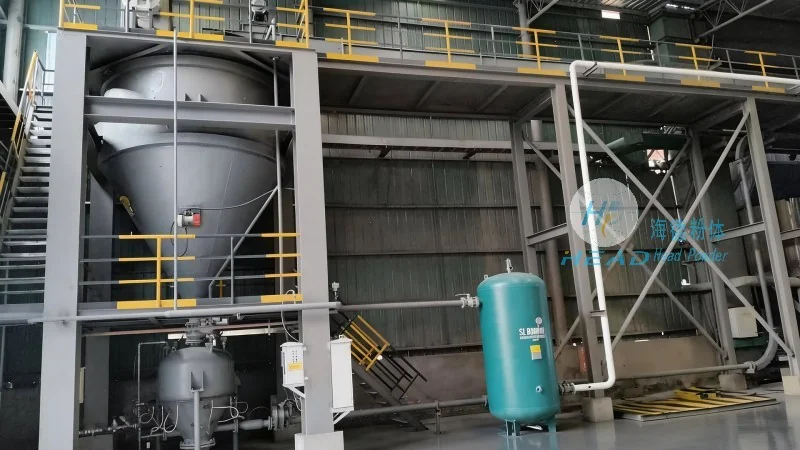
The design of an automatic quantitative pneumatic conveying system is based on several fundamental principles aimed at achieving efficiency, accuracy, and durability. The first principle is the control of air flow and pressure. The system uses a blower or compressor to generate the necessary air pressure, which propels the material through the conveying line. The pressure and flow rate are carefully regulated to ensure that the material is transported without excessive wear on the equipment or degradation of the material itself. The second principle is the precise control of material feed. The feeder, often a rotary valve or a screw feeder, is designed to deliver the material at a consistent rate, matching the air flow to maintain a stable conveying condition. This control is critical for achieving the quantitative aspect of the system, as any variation in feed rate can lead to inaccuracies in the material quantity being transported. The third principle is the system's layout and configuration. The design considers the distance and elevation changes between the material source and the destination, optimizing the length and angle of the conveying line to minimize energy consumption and maximize efficiency. Additionally, the system incorporates features such as pulse jets or cyclone separators to separate the material from the air stream, ensuring that the material is delivered to the receiver in a clean and dry state. The fourth principle is the integration of safety and maintenance features. The system is equipped with sensors and alarms to detect any malfunctions or blockages, preventing damage to the equipment and ensuring the safety of the operation. Regular maintenance procedures are also incorporated into the design to ensure the longevity and reliability of the system.
Key Components and Their Functions
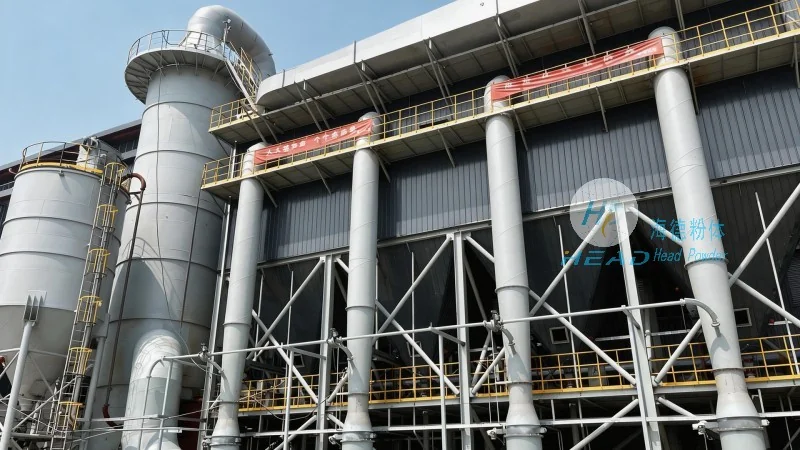
Each component of the automatic quantitative pneumatic conveying system plays a vital role in its overall performance. The hopper serves as the storage container for the bulk material, providing a stable and controlled source of material for the feeder. The feeder is responsible for regulating the flow rate of the material, ensuring that it is delivered at a consistent rate to the conveying line. The blower or compressor generates the air pressure needed to move the material through the system, with adjustable settings to match the material's characteristics and the conveying distance. The conveying line, typically made of metal or plastic, is designed to withstand the pressure and friction of the material and air, with smooth internal surfaces to minimize material degradation. The receiver is the final destination for the material, where it is collected and prepared for further processing. The control system, which may include a programmable logic controller (PLC), manages the operation of all components, ensuring that the system operates in sync and maintains the quantitative accuracy. The pulse jet system, when included, uses short bursts of high-pressure air to clean the conveying line and remove any material buildup, maintaining the system's efficiency over time.
Applications and Benefits in Industrial Settings
The automatic quantitative bulk material pneumatic conveying system finds wide applications across various industries due to its versatility and efficiency. In the pharmaceutical industry, it is used to transport active pharmaceutical ingredients (APIs) and other sensitive materials with high precision, ensuring that the final dosage is accurate. In the food processing industry, it handles ingredients like flour, sugar, and spices, maintaining hygiene and preventing contamination. In the chemical industry, it transports powders and granules, such as catalysts and reagents, with minimal risk of exposure to the environment. The benefits of this system include improved process control, reduced labor costs, increased safety, and enhanced product quality. By eliminating manual handling of bulk materials, the system minimizes the risk of human error and exposure to hazardous materials. Additionally, the system's ability to handle a wide range of materials makes it a versatile solution for different industrial needs.
Company Information: Shandong HeadPowder Engineering Co., Ltd.
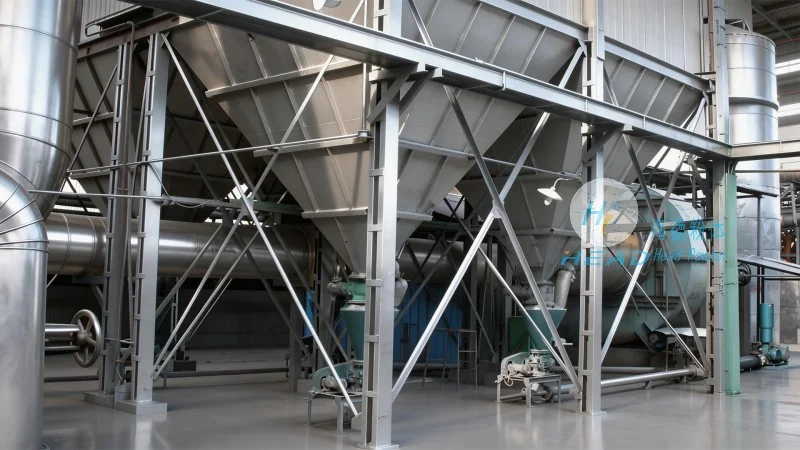
HeadPowder, as a leading manufacturer of material handling equipment, specializes in the design and production of automatic quantitative pneumatic conveying systems. With years of experience in the industry, the company has developed advanced solutions tailored to meet the diverse needs of its clients. HeadPowder's systems are known for their precision, reliability, and durability, making them suitable for various industrial applications. The company's headquarters is located in Shandong, China, where it operates a state-of-the-art manufacturing facility equipped with the latest technology and skilled workforce. HeadPowder's commitment to quality and customer satisfaction has earned it a reputation as a trusted partner in the material handling industry. The company provides comprehensive support, including design consultation, installation, and after-sales service, to ensure that its clients achieve optimal performance from their equipment. With a focus on innovation and customer needs, HeadPowder continues to lead the way in developing advanced material handling solutions for the modern industrial landscape.