

What is Lysine Pneumatic Conveying Equipment? What is its Design Principle?
Lysine, a critical amino acid widely used in animal feed and pharmaceuticals, requires efficient and hygienic handling during production and transportation. Pneumatic conveying systems have emerged as a preferred solution for moving lysine powders due to their ability to maintain product integrity, minimize contamination, and enhance operational efficiency. This article explores the fundamental aspects of lysine pneumatic conveying equipment, focusing on its design principles and the key factors that contribute to its effectiveness in industrial applications.
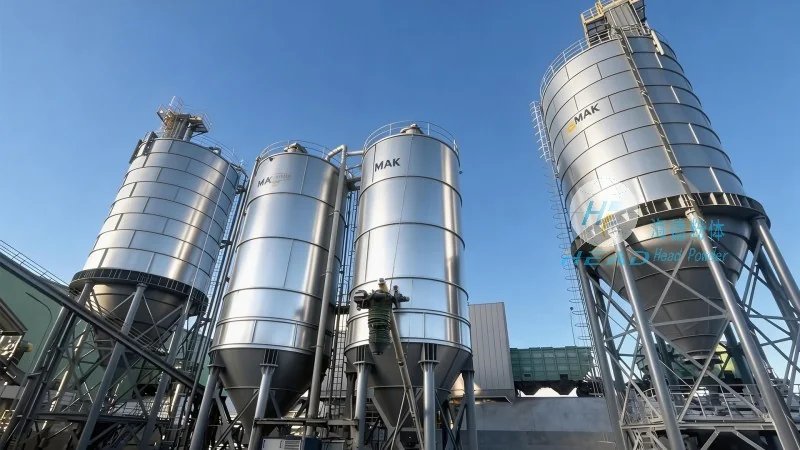
Key Components of Lysine Pneumatic Conveying Systems
At the core of any pneumatic conveying system for lysine are several critical components that work in tandem to ensure smooth material transport. The primary components include the hopper or feeder, which holds the lysine powder and controls the flow rate; the air compressor or blower, which generates the necessary air pressure to move the material; the pipeline system, which transports the lysine and air mixture; and the receiver or discharge hopper, where the material is collected. Each component is designed with specific considerations for lysine's properties, such as its fine particle size and hygroscopic nature, to prevent clogging, agglomeration, or degradation.
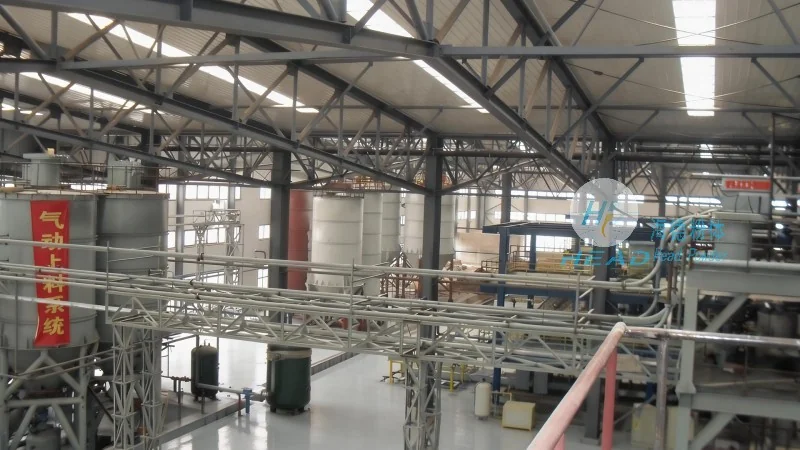
Design Principles for Efficient Lysine Conveying
The design of lysine pneumatic conveying equipment is guided by several key principles aimed at optimizing performance, reliability, and product quality. First, the system must maintain a consistent air-to-material ratio to ensure proper flow and prevent material deposition or blockages. This ratio is typically determined based on the particle size, density, and moisture content of the lysine, as well as the desired conveying distance and speed. Second, the equipment must incorporate features that minimize product exposure to air, moisture, or contaminants. For example, sealed hoppers and pipelines are used to prevent cross-contamination and maintain the purity of the lysine. Third, the system should be designed for easy cleaning and maintenance, as lysine powders can adhere to surfaces and require thorough sanitation to meet regulatory standards. Additionally, energy efficiency is a critical design consideration, as pneumatic conveying systems can consume significant power; thus, optimizing air pressure and flow rates is essential to reduce operational costs.
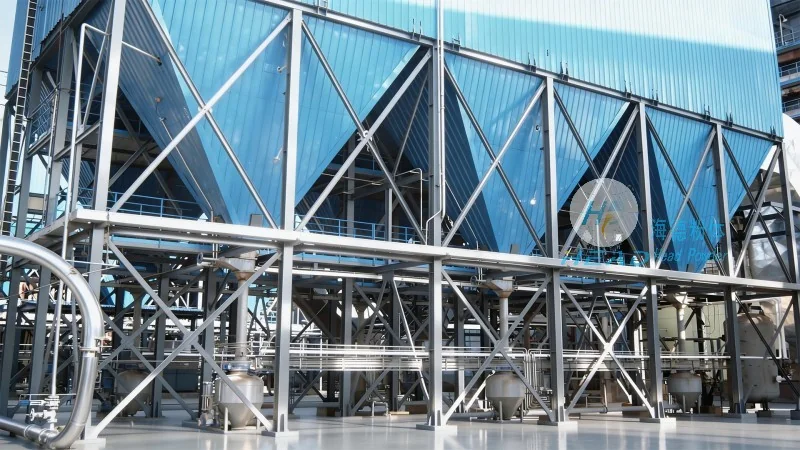
How Shandong HeadPowder Engineering Co., Ltd. Enhances Lysine Pneumatic Conveying Solutions
Shandong HeadPowder Engineering Co., Ltd., a leading manufacturer of industrial conveying equipment, specializes in developing customized lysine pneumatic conveying systems tailored to the unique needs of the lysine industry. With years of experience in powder handling technology, the company leverages advanced engineering principles to design equipment that meets the highest standards of efficiency, safety, and product integrity. HeadPowder's solutions often incorporate state-of-the-art features such as variable speed feeders, which adjust the material flow rate based on real-time conditions, and advanced filtration systems that ensure the air used in the conveying process is clean and free of particulates. The company's commitment to quality is reflected in its adherence to international standards and rigorous testing protocols, ensuring that each system is reliable and durable for long-term use.
Addressing Common Challenges in Lysine Pneumatic Conveying
While pneumatic conveying offers numerous advantages, it also presents challenges that must be addressed through thoughtful design. One common issue is the tendency of fine lysine particles to agglomerate or form blockages in the pipeline, especially at low air velocities or when the material is exposed to moisture. To mitigate this, HeadPowder's systems often include features like pulse-jet cleaning, which uses short bursts of high-pressure air to dislodge particles from the pipeline walls, preventing clogging. Another challenge is maintaining consistent material flow, particularly when dealing with varying particle sizes or moisture levels. The company's variable speed feeders and advanced control systems help regulate the flow rate, ensuring smooth and continuous operation. Additionally, the system must be designed to handle the hygroscopic nature of lysine, as moisture can cause the powder to clump and degrade. HeadPowder's equipment typically includes drying or moisture control features to maintain the optimal moisture content of the lysine during transport.
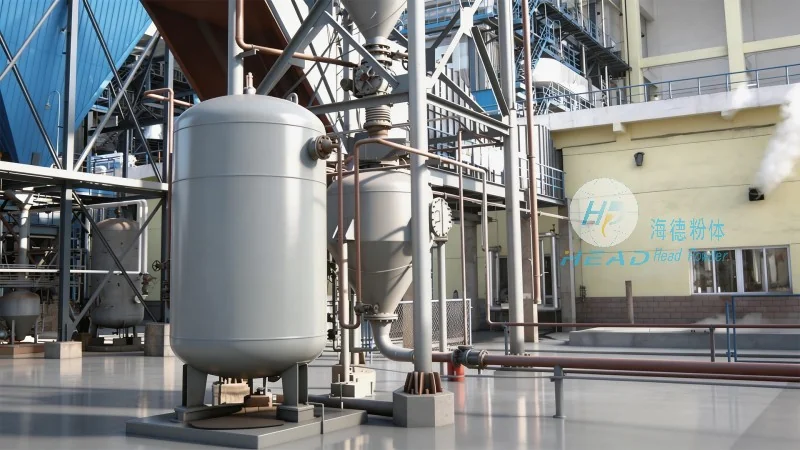
Conclusion: The Importance of Specialized Lysine Pneumatic Conveying Equipment
In conclusion, lysine pneumatic conveying equipment plays a vital role in the efficient and safe handling of this critical amino acid. The design principles outlined above, combined with the expertise of manufacturers like Shandong HeadPowder Engineering Co., Ltd., ensure that lysine can be transported with minimal loss of quality and maximum operational efficiency. By understanding the unique properties of lysine and implementing advanced engineering solutions, industrial facilities can optimize their production processes and meet the growing demand for high-quality lysine products. As the lysine industry continues to evolve, the importance of reliable and specialized pneumatic conveying systems will only increase, making them an essential component of modern manufacturing operations.