

What is a Manganese Silicate Pneumatic Conveying Equipment? And What Are Its Design Principles?
For industrial applications involving the handling of manganese silicate, the selection of an appropriate conveying system is crucial. Manganese silicate, a compound widely used in various industries such as ceramics, glass, and chemical manufacturing, requires efficient and reliable material transport to maintain production efficiency and product quality. Among the available options, pneumatic conveying equipment stands out as a versatile solution for transporting this material safely and effectively. This article aims to explore what a manganese silicate pneumatic conveying equipment is and delve into its design principles, providing a comprehensive understanding of this essential industrial tool.
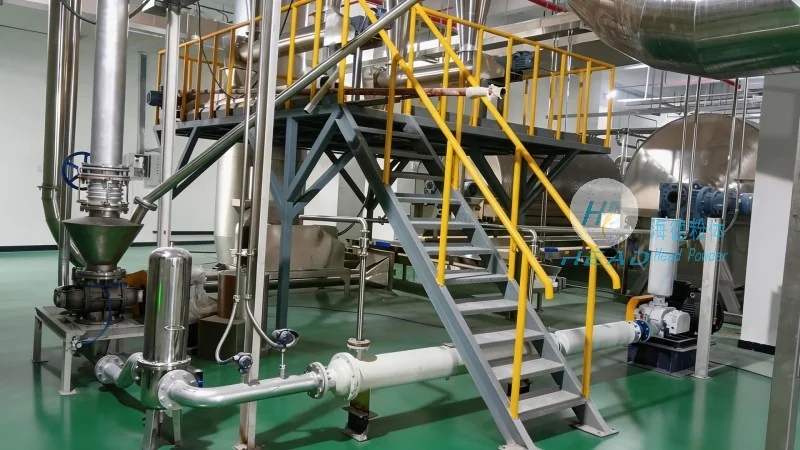
Introduction to Manganese Silicate Pneumatic Conveying Equipment
Manganese silicate, chemically known as manganese(II) silicate or manganese silicate, is a compound composed of manganese, silicon, and oxygen. It is often used as a raw material or additive in the production of ceramics, glass, and certain chemical products. The handling of this material involves transporting it from storage or processing units to the next stage of production. Traditional methods like belt conveyors or bucket elevators may not be suitable for all applications due to issues like material degradation, dust generation, or high maintenance costs. Pneumatic conveying equipment offers a solution by using air to transport the material in a closed system, minimizing contamination and improving operational safety.
About HeadPowder: Your Trusted Provider of Industrial Conveying Solutions
HeadPowder, a leading manufacturer in the field of industrial material handling, specializes in designing and producing high-quality pneumatic conveying systems. With a strong presence in Shandong, China, HeadPowder Engineering Co., Ltd. has built a reputation for delivering reliable and efficient equipment tailored to the specific needs of various industries. The company’s commitment to innovation and customer satisfaction has made it a preferred choice for businesses seeking advanced material transport solutions. By leveraging years of experience and technical expertise, HeadPowder ensures that its products meet the highest standards of performance and durability.
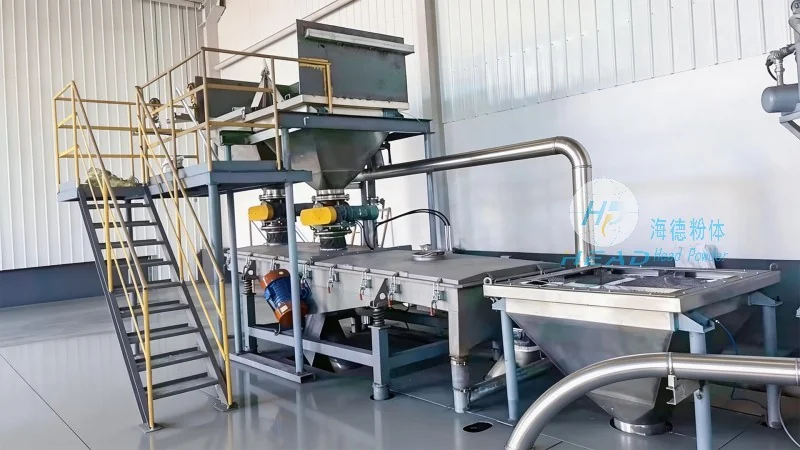
Design Principles of Manganese Silicate Pneumatic Conveying Equipment
The design of a manganese silicate pneumatic conveying equipment is based on several key principles to ensure optimal performance and efficiency. The primary principle is the use of air as the conveying medium, which can be either positive pressure (where air is forced into the system) or negative pressure (where air is drawn out). The choice between these two methods depends on the specific application, material characteristics, and system layout. For manganese silicate, which is typically a fine or semi-fine powder, positive pressure systems are often preferred as they provide better control over material flow and reduce the risk of blockages.
A critical component of the design is the air compressor or blower, which generates the necessary air pressure to move the material. The capacity and efficiency of the compressor are crucial factors, as they directly impact the conveying rate and energy consumption. Additionally, the system includes a hopper or feeder to store and feed the material into the conveying line. The feeder must be designed to handle the specific properties of manganese silicate, such as its flowability and particle size distribution, to ensure consistent material discharge.
The conveying line itself is constructed from materials that are resistant to corrosion and wear, as manganese silicate can be abrasive and may contain acidic components. Common materials for the pipeline include stainless steel or special alloys that can withstand the chemical and mechanical stresses. The line is equipped with various components like elbows, tees, and filters to direct the material flow and prevent dust accumulation. A dust collector or filter system is also integrated to capture any airborne particles, ensuring compliance with environmental regulations and maintaining a clean working environment.
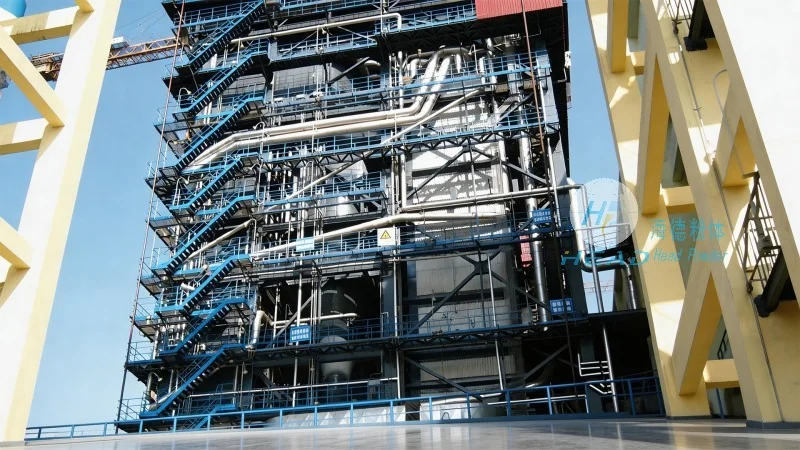
Key Features and Benefits of the Equipment
HeadPowder’s manganese silicate pneumatic conveying equipment incorporates several key features that enhance its performance and usability. One of the primary benefits is the ability to transport the material in a closed system, which significantly reduces dust emissions and prevents contamination from external sources. This is particularly important for applications where product purity is critical, such as in the production of ceramics or pharmaceuticals. The equipment also offers high conveying efficiency, allowing for the transport of large quantities of material over long distances with minimal energy consumption.
Another advantage is the flexibility of the system, which can be customized to suit different production requirements. The design allows for easy integration with existing processing lines, reducing installation time and costs. The equipment is also equipped with safety features, such as pressure relief valves and overload protection, to ensure safe operation and prevent accidents. Furthermore, the use of advanced materials and manufacturing techniques ensures long service life and low maintenance requirements, contributing to overall operational cost savings.
Applications and Use Cases
Manganese silicate pneumatic conveying equipment is widely used in various industrial applications. In the ceramics industry, it is used to transport raw materials to kilns and processing units, ensuring consistent quality and reducing downtime. In the glass manufacturing sector, the equipment helps in conveying the material to furnaces, where it is used as an additive to improve the properties of the glass. Additionally, in chemical manufacturing, the equipment is employed to transport manganese silicate for use in the production of various chemical compounds.
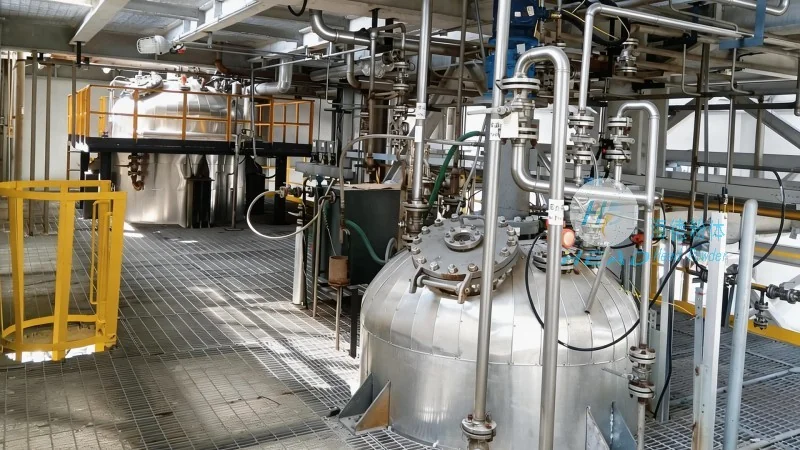
The versatility of the equipment makes it suitable for a range of applications, from small-scale operations to large industrial plants. Whether it's a new installation or an upgrade to an existing system, the equipment provides a reliable solution for material handling. The ability to handle different particle sizes and flow rates makes it adaptable to various production processes, ensuring that businesses can meet their operational needs effectively.
Conclusion
In conclusion, manganese silicate pneumatic conveying equipment is a vital component in the efficient handling of this important industrial material. The design principles, which focus on using air as the conveying medium and incorporating robust components, ensure that the equipment operates reliably and efficiently. HeadPowder Engineering Co., Ltd., with its headquarters in Shandong, China, offers high-quality solutions tailored to the specific requirements of various industries. By choosing the right pneumatic conveying system, businesses can enhance their production processes, improve product quality, and reduce operational costs. The equipment's ability to handle manganese silicate safely and effectively makes it an indispensable tool in modern industrial operations.