

Principle of Polyacrylamide Pneumatic Conveying System
Understanding the fundamental principles of a polyacrylamide pneumatic conveying system is crucial for optimizing material handling processes in various industrial applications. This system combines the benefits of pneumatic transport with the unique properties of polyacrylamide, a widely used polymer in water treatment and other sectors. The following content provides a detailed explanation of how such a system operates, its key components, and the advantages it offers to businesses.
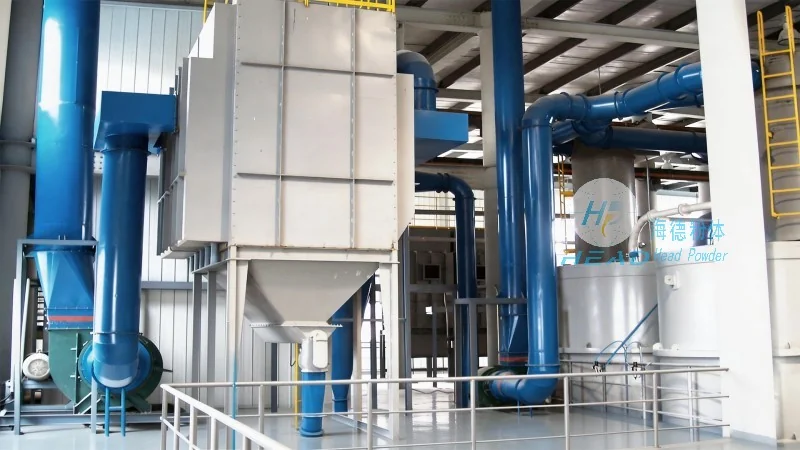
Company Introduction: HeadPowder
HeadPowder, formally known as Shandong HeadPowder Engineering Co., Ltd., is a leading manufacturer specializing in engineering solutions for material handling and processing. With its headquarters located in Shandong, China, the company has established itself as a trusted provider of innovative systems designed to enhance operational efficiency and sustainability in industrial operations. HeadPowder's expertise lies in developing customized pneumatic conveying systems tailored to the specific needs of clients across different industries.
Basic Principle of Pneumatic Conveying
Pneumatic conveying systems utilize air or other gases to transport bulk materials from one location to another. The core mechanism involves creating a pressure differential between the inlet and outlet of the system, which propels the material through a pipeline. In the case of a polyacrylamide pneumatic conveying system, the polymer is typically in powder form and is mixed with air or a carrier gas to facilitate transport. The system can operate under either positive or negative pressure, depending on the specific requirements of the application and the nature of the material being conveyed.
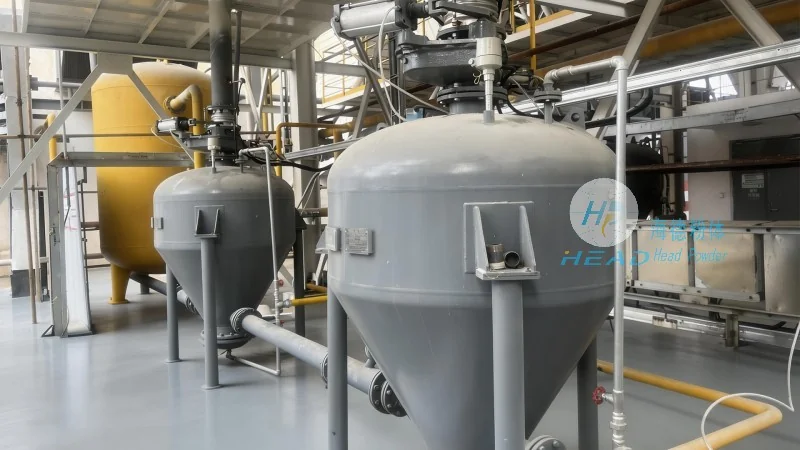
Key Components of the System
The polyacrylamide pneumatic conveying system consists of several critical components that work in tandem to ensure efficient material transport. These include a hopper or feeder for loading the polyacrylamide powder, a blower or compressor to generate the necessary air pressure, a pipeline network to guide the material and air mixture, and a receiver or discharge unit where the material is collected. Additionally, the system may incorporate features such as cyclones, filters, and control valves to regulate the flow and maintain system performance. Each component plays a vital role in ensuring the smooth and reliable operation of the entire system.
Working Mechanism
When the system is activated, the polyacrylamide powder is fed into the hopper. The blower then generates a flow of air, which is introduced into the pipeline at a controlled rate. As the air flows through the pipeline, it entrains the polyacrylamide particles, forming a dense mixture known as a slurry or suspension. This mixture is then transported through the pipeline to the receiver, where the air is separated from the material. The air is typically recirculated back to the blower, while the polyacrylamide is collected in the receiver for further processing or use. The entire process is automated and can be controlled remotely, allowing for precise management of material flow rates and system pressure.
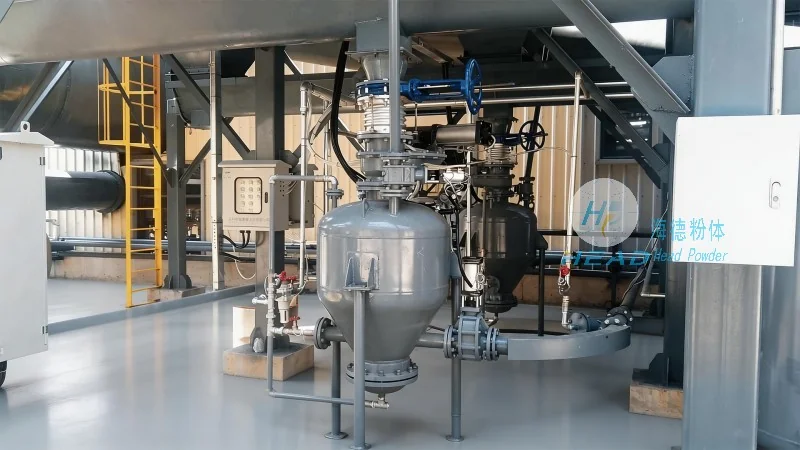
Advantages of Polyacrylamide Pneumatic Conveying
Implementing a polyacrylamide pneumatic conveying system offers several significant advantages over traditional material handling methods. Firstly, it eliminates the need for mechanical conveying equipment such as conveyor belts or screw conveyors, reducing the risk of material contamination and wear. The system is also highly flexible, as it can be easily reconfigured to accommodate changes in production requirements or material types. Additionally, pneumatic conveying systems are more energy-efficient compared to other methods, as they utilize compressed air rather than heavy machinery. This results in lower operational costs and reduced environmental impact. Furthermore, the system can handle a wide range of particle sizes and densities, making it suitable for various applications in the chemical, pharmaceutical, and water treatment industries.
Applications and Industries
Polyacrylamide pneumatic conveying systems are widely used in industries where the efficient transport of polyacrylamide is essential. These include water treatment facilities, where the polymer is used as a coagulant and flocculant to remove impurities from wastewater. The system allows for the precise dosing and transport of the polymer to treatment plants, ensuring optimal performance. In the chemical industry, polyacrylamide is used as a thickening agent and stabilizer in various products, and the pneumatic conveying system facilitates its transport between production stages. The pharmaceutical industry also benefits from this technology, as it enables the safe and hygienic handling of polyacrylamide used in drug formulations. Overall, the system's ability to handle fine powders and maintain product integrity makes it a preferred choice for industries that require high standards of quality and consistency.
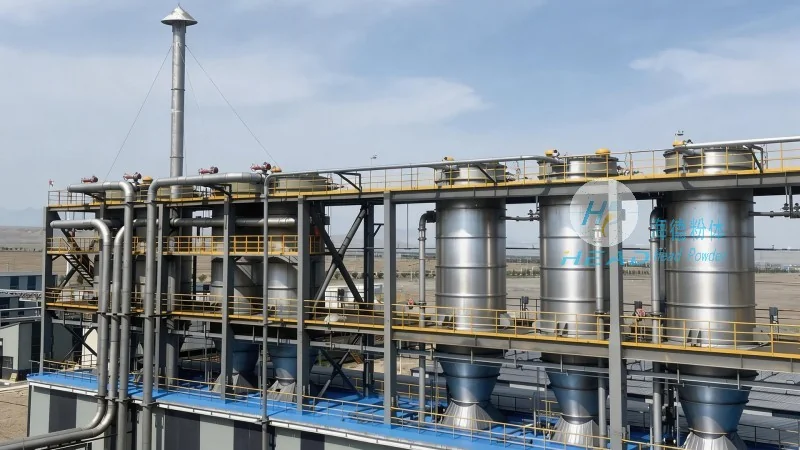
Maintenance and Operational Considerations
To ensure the long-term reliability and efficiency of a polyacrylamide pneumatic conveying system, regular maintenance and proper operational practices are essential. The system components, particularly the blower and pipeline, should be inspected regularly for signs of wear or damage. Filters and cyclones should be cleaned or replaced as needed to prevent clogging and maintain air flow. The system's control mechanisms, such as pressure sensors and flow meters, should be calibrated periodically to ensure accurate monitoring and adjustment. Additionally, operators should be trained on the proper use of the system and the handling of polyacrylamide materials to prevent accidents and ensure compliance with safety regulations. By following these maintenance and operational guidelines, businesses can maximize the lifespan of their system and minimize downtime.
Conclusion
In conclusion, the polyacrylamide pneumatic conveying system represents an advanced and efficient solution for the transport of polyacrylamide in industrial applications. By leveraging the principles of pneumatic transport, this system offers numerous benefits, including reduced contamination, increased flexibility, and improved energy efficiency. With its wide range of applications and the expertise of manufacturers like HeadPowder, the system plays a vital role in enhancing operational performance across various industries. As businesses continue to seek innovative solutions for material handling, the polyacrylamide pneumatic conveying system remains a reliable and effective choice for optimizing their processes and achieving their production goals.