

Principle of Dry Flue Gas Desulfurization Ash Pneumatic Conveying System
The dry flue gas desulfurization ash pneumatic conveying system is a critical component in modern industrial processes, particularly in power plants and other facilities that utilize flue gas desulfurization (FGD) to reduce sulfur dioxide emissions. This system is designed to efficiently transport the byproduct of FGD, known as desulfurization ash, from the collection point to disposal or recycling sites. The principle behind this system leverages the power of compressed air or other gas streams to move the solid material through a network of pipes and equipment, ensuring a reliable and low-maintenance operation.
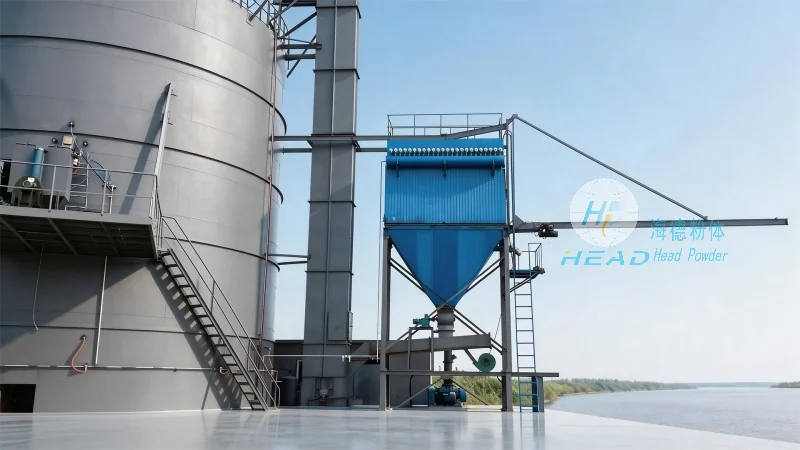
Key Components and Working Principle
The pneumatic conveying system for desulfurization ash typically consists of several key components, each playing a vital role in the overall operation. The primary components include a material feeder, a conveying line (often equipped with airlocks or rotary valves), a gas source (such as a blower or compressor), and a collection or discharge unit. The working principle involves feeding the desulfurization ash into the system, where it is mixed with a stream of air or gas under pressure. This mixture is then transported through the pipeline network to the desired destination. The system operates by creating a pressure differential that propels the material forward, with the gas acting as the medium for transport. The design of the system must consider factors such as the particle size, moisture content, and density of the ash to ensure optimal conveying efficiency.
Advantages of the Pneumatic Conveying System
Compared to traditional methods like belt conveyors or screw conveyors, the pneumatic conveying system offers several advantages for handling desulfurization ash. One of the most significant benefits is its ability to handle materials with high moisture content or sticky properties, which can cause blockages in other systems. The system also provides a closed-loop operation, minimizing dust emissions and environmental contamination. Additionally, the pneumatic conveying system is highly flexible, allowing for changes in the conveying route or destination without major modifications to the infrastructure. This adaptability makes it suitable for various industrial applications where the ash needs to be transported over long distances or to multiple locations.
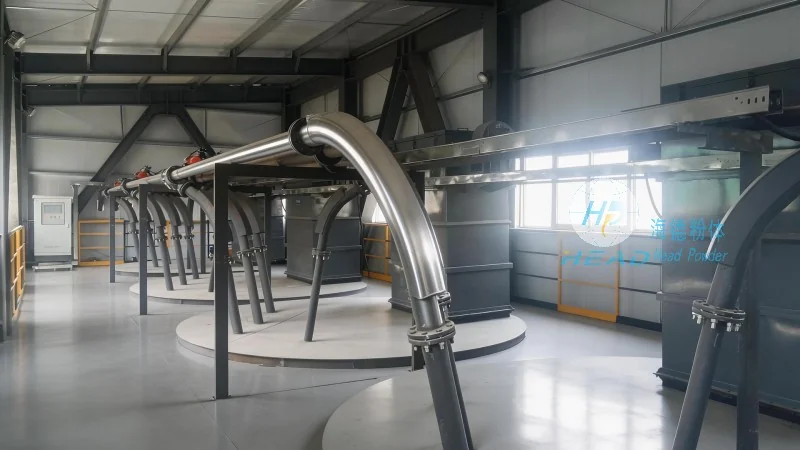
Application Scenarios and Industrial Use
The dry flue gas desulfurization ash pneumatic conveying system is widely used in power generation facilities, where the removal of sulfur dioxide from flue gases is a mandatory requirement under environmental regulations. In these facilities, the system is integrated with the FGD process to collect and transport the ash generated from the limestone or other sorbents used in the desulfurization reaction. The ash, often referred to as gypsum or calcium sulfate, is typically used in construction materials, such as drywall or cement, making the system an essential part of the overall waste management and resource recovery strategy. The system's efficiency in transporting the ash ensures that the FGD process can operate continuously without interruptions, contributing to the plant's compliance with environmental standards and operational efficiency.
Technical Considerations and System Design
When designing a pneumatic conveying system for desulfurization ash, several technical considerations must be addressed to ensure optimal performance and longevity. The first consideration is the selection of the appropriate gas source, which must provide sufficient pressure and flow rate to move the material through the pipeline. The blower or compressor must be sized based on the system's capacity and the characteristics of the ash, such as particle size distribution and bulk density. The conveying line design is another critical factor, as the pipe diameter, length, and layout affect the pressure drop and conveying velocity. Properly sized airlocks or rotary valves are essential to prevent material buildup and ensure smooth material flow. Additionally, the system must be equipped with dust collection and filtration systems to comply with environmental regulations and maintain air quality in the facility. The use of corrosion-resistant materials, such as stainless steel or special coatings, is also important to prevent degradation from the acidic or moisture-rich ash.
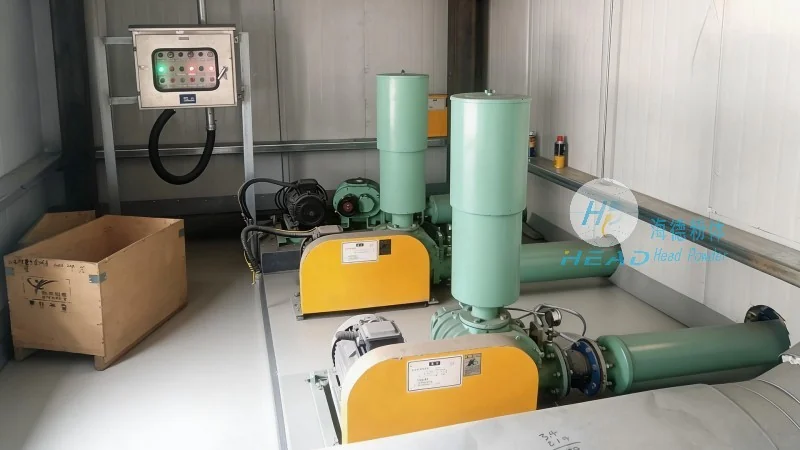
Maintenance and Operational Efficiency
Maintaining the pneumatic conveying system for desulfurization ash is crucial to ensure long-term operational efficiency and minimize downtime. Regular maintenance activities include inspecting and cleaning the material feeder and airlocks, checking the condition of the conveying line and fittings, and monitoring the performance of the gas source. The system should be cleaned periodically to remove accumulated ash and prevent blockages. Proper lubrication of moving parts, such as bearings and seals, is also essential to prevent wear and tear. The use of automated control systems can help optimize the operation of the system, adjusting the air pressure and flow rate based on the material feed rate. This automation not only improves efficiency but also reduces the risk of human error and ensures consistent performance. Regular performance testing and maintenance checks are recommended to identify any issues early and prevent major failures.
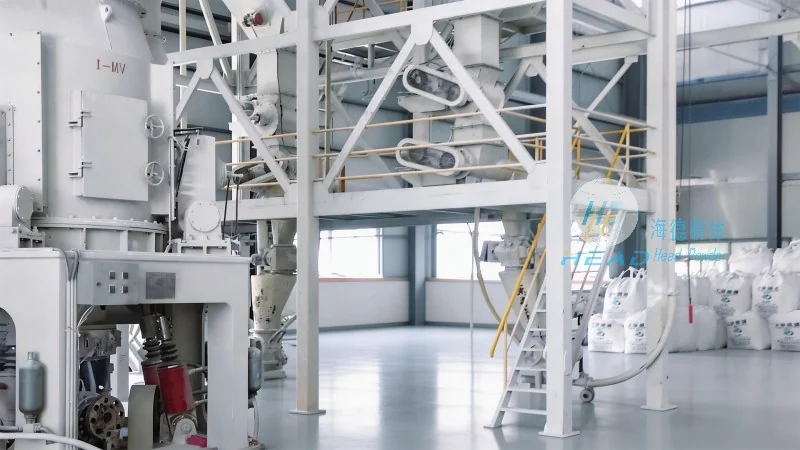
Environmental and Safety Aspects
The pneumatic conveying system for desulfurization ash plays a significant role in environmental and safety management within industrial facilities. By providing a closed-loop operation, the system minimizes the release of dust and airborne particles, which can be harmful to workers and the environment. The system's design also helps in controlling the emission of sulfur dioxide and other pollutants from the FGD process, contributing to the overall environmental compliance of the facility. Safety considerations include proper ventilation to remove any residual gases or dust, ensuring that the system is grounded to prevent static electricity buildup, and implementing safety interlocks to stop the system in case of malfunctions. The use of explosion-proof components is also important in facilities where there is a risk of flammable materials or gases. Overall, the system enhances both environmental protection and workplace safety, aligning with the industry's commitment to sustainable and safe operations.
Conclusion
In conclusion, the dry flue gas desulfurization ash pneumatic conveying system is a vital technology in modern industrial processes, particularly in power generation and environmental control applications. By efficiently transporting desulfurization ash, the system supports the operation of flue gas desulfurization plants, ensuring compliance with environmental regulations and promoting resource recovery. The system's design, components, and operational principles are tailored to handle the unique characteristics of desulfurization ash, offering advantages such as flexibility, low maintenance, and environmental friendliness. As industrial facilities continue to prioritize sustainability and efficiency, the pneumatic conveying system remains a key solution for managing the byproducts of FGD processes. The expertise of companies like Shandong HeadPowder Engineering Co., Ltd. in designing and implementing such systems ensures that facilities can achieve optimal performance while meeting environmental and safety standards.