

Principle of Wood Fiber Pneumatic Conveying System
Wood fiber pneumatic conveying systems represent a sophisticated approach to material handling, particularly in industrial applications where the efficient transport of fibrous materials is critical. This technology leverages the principles of pneumatic transport to move wood fibers through a system of pipes using air as the primary conveying medium. Understanding the underlying mechanics of such systems is essential for optimizing performance, ensuring reliability, and maintaining operational efficiency in processing facilities.
Core Components and Operational Mechanics
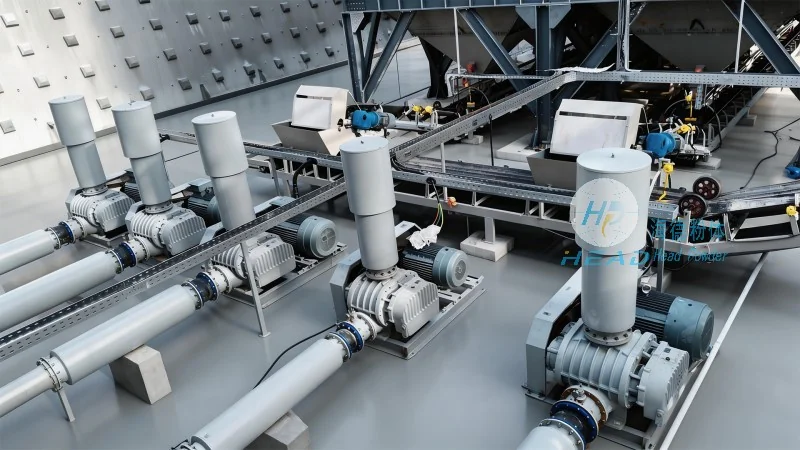
The fundamental components of a wood fiber pneumatic conveying system include a hopper for material storage, a blower or air compressor to generate the necessary air pressure, a pipeline network to guide the material flow, and a receiver or collection unit to deposit the conveyed fibers. The system operates by introducing wood fibers into the hopper, where they are then drawn into the pipeline by the moving air stream. As the air flows through the system, it entrains the wood fibers, creating a dense phase flow that allows for the efficient transport of the material over considerable distances and elevations.
Key operational parameters, such as air velocity and pressure, play a pivotal role in determining the system's performance. Properly calibrated air flow ensures that the wood fibers are adequately suspended and transported without excessive wear on the system components. The design of the pipeline, including the use of appropriate fittings and bends, is also critical to minimize pressure losses and maintain consistent conveying efficiency. Additionally, the selection of blower type—whether positive displacement or centrifugal—impacts the system's ability to handle varying fiber loads and moisture content, which are common variables in wood processing operations.
Advantages of Pneumatic Conveying for Wood Fibers
Compared to traditional mechanical conveying methods, such as belt or screw conveyors, pneumatic systems offer several distinct advantages when handling wood fibers. One of the most significant benefits is the ability to transport materials in a closed system, which helps to prevent dust emissions and maintain a cleaner working environment. This is particularly important in industries where air quality regulations are stringent or where dust control is a priority for occupational health and safety.
Another advantage is the flexibility of pneumatic conveying systems. They can easily adapt to changes in material flow rates, allowing for dynamic adjustments based on production demands. This adaptability is especially valuable in wood processing facilities that may experience fluctuations in fiber supply or processing requirements. Furthermore, the system's ability to handle both dry and slightly moist wood fibers without the need for additional drying or conditioning steps can reduce operational costs and processing time.
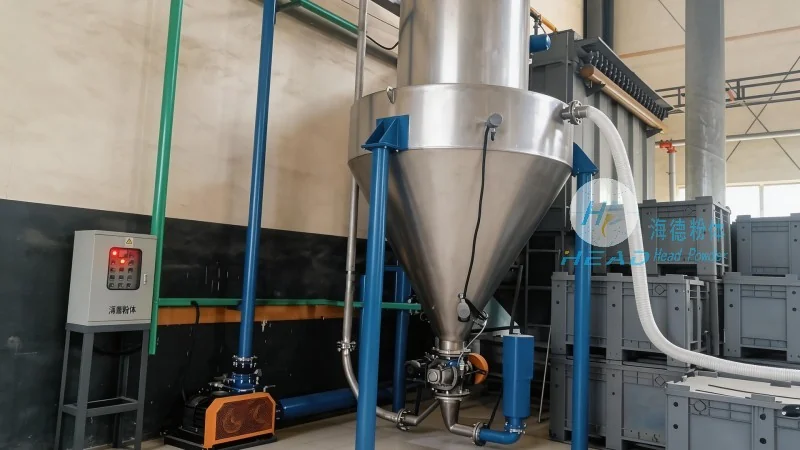
Efficiency and energy consumption are also important considerations. Modern pneumatic conveying systems are designed to optimize energy use, with variable speed blowers and efficient pipeline designs that minimize energy waste. This not only reduces operational expenses but also contributes to a more sustainable and environmentally friendly operation. The reduced need for mechanical components, such as moving parts in traditional conveyors, also leads to lower maintenance requirements and longer equipment lifespans.
Applications in Wood Processing Industries
Wood fiber pneumatic conveying systems find widespread application across various segments of the wood processing industry. In pulp and paper manufacturing, these systems are used to transport raw wood chips or fibers from storage areas to processing units, such as digesters or refiners. The ability to handle large volumes of material over long distances makes them ideal for large-scale production facilities.
In the production of wood-based panels, such as particleboard or medium-density fiberboard (MDF), pneumatic conveying is utilized to transport wood fibers from the grinding or refining stages to the board formation and pressing equipment. This ensures a consistent supply of fibers to the production line, which is crucial for maintaining product quality and uniformity.
Additionally, in the manufacturing of wood pellets or other wood-based products, pneumatic systems are employed to transport raw wood material or finished pellets from storage to packaging or shipping areas. The ability to handle fine or fibrous materials without degradation makes this technology well-suited for these applications.
System Design and Customization by Shandong HeadPowder Engineering Co., Ltd.
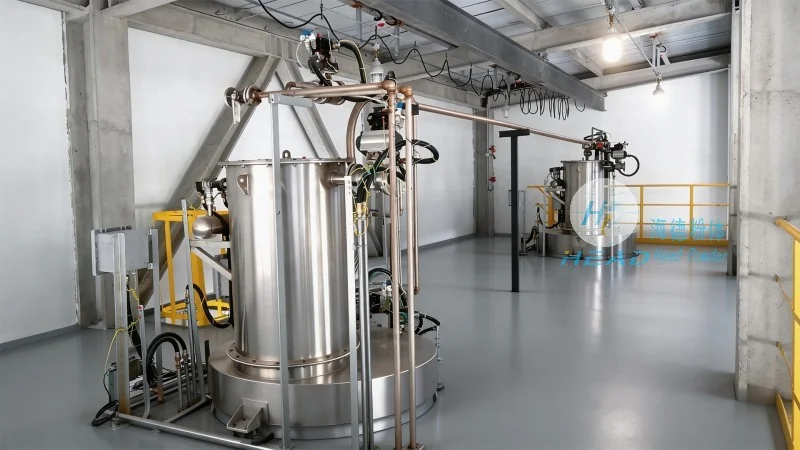
Shandong HeadPowder Engineering Co., Ltd., a leading provider of industrial material handling solutions, specializes in designing and manufacturing customized wood fiber pneumatic conveying systems tailored to the specific needs of their clients. With a focus on innovation and reliability, the company leverages advanced engineering principles to develop systems that meet the unique requirements of wood processing operations.
The company's approach to system design involves a thorough analysis of the client's operational parameters, including material characteristics, flow rates, and system layout. This comprehensive assessment ensures that the final system is optimized for efficiency, durability, and cost-effectiveness. HeadPowder engineers work closely with clients to understand their production goals and challenges, providing tailored solutions that address specific pain points in material handling.
Customization options include the selection of appropriate blower types, pipeline materials (such as stainless steel or PVC for corrosion resistance), and control systems that allow for automated operation and monitoring. The company also offers maintenance and support services to ensure that the systems operate at peak performance throughout their service life. By partnering with HeadPowder, wood processing facilities can enhance their operational efficiency, reduce downtime, and improve overall productivity.
Conclusion
Wood fiber pneumatic conveying systems represent a highly effective and efficient solution for material handling in the wood processing industry. By understanding the principles of pneumatic transport and leveraging advanced system design, these technologies enable industries to achieve optimal performance, maintain a clean working environment, and reduce operational costs. With the expertise and commitment to quality from companies like Shandong HeadPowder Engineering Co., Ltd., the adoption of such systems continues to grow, supporting the sustainable and productive operation of wood processing facilities worldwide.