

Principle of Corn Pellet Pneumatic Conveying System
HeadPowder, a leading engineering company based in Shandong, China, specializes in the design and implementation of advanced pneumatic conveying systems for various bulk materials, including corn pellets. This article delves into the fundamental principles behind the operation of such systems, highlighting the technical aspects and practical applications that make them essential in modern material handling processes.
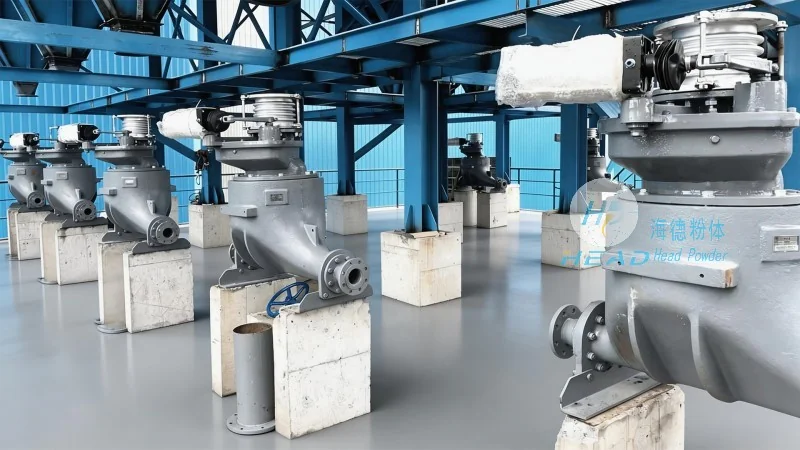
Understanding Pneumatic Conveying Technology
Pneumatic conveying systems utilize air or gas to transport solid materials like corn pellets through a pipeline network. The core principle involves creating a pressure differential between the inlet and outlet of the system, which propels the material forward. There are primarily two types of pneumatic conveying: pressure and vacuum systems. Pressure systems operate by injecting high-pressure air into the material, while vacuum systems create a negative pressure to draw the material into the pipeline.
Key Components and Their Functions
Several critical components work in tandem to ensure efficient operation of a corn pellet pneumatic conveying system. The primary components include the material feed hopper, which stores and feeds the corn pellets into the system; the air compressor or vacuum pump, which provides the necessary pressure or vacuum; the conveying line, which transports the material; and the discharge hopper or receiver, which collects the material at the destination. Each component plays a vital role in maintaining the system's performance and reliability.
Working Principle of Corn Pellet Conveying
When corn pellets are introduced into the feed hopper, the system begins by preparing the material for transport. In a pressure system, the air compressor generates high-pressure air, which is mixed with the corn pellets in the feed section. The mixture is then forced through the conveying line under pressure, moving the pellets to the discharge point. In a vacuum system, the vacuum pump creates a negative pressure that draws the corn pellets from the hopper into the pipeline. The material is carried by the air flow, with the pellets suspended and transported efficiently.
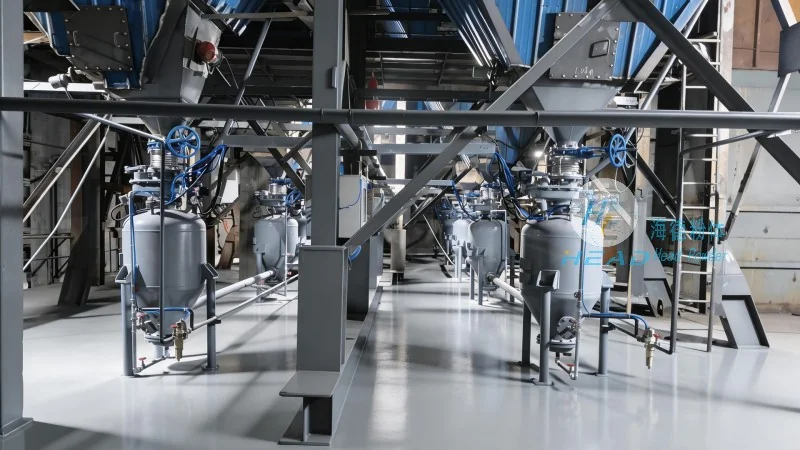
Advantages of Pneumatic Conveying for Corn Pellets
Implementing a pneumatic conveying system for corn pellets offers numerous advantages over traditional mechanical conveying methods. These systems are highly efficient in terms of energy consumption and material handling speed. They also provide a hygienic and dust-free environment, which is crucial for maintaining the quality of corn pellets, especially in food processing applications. Additionally, pneumatic conveying systems can handle materials with varying particle sizes and moisture content, making them versatile for different industrial needs.
Applications in the Agricultural and Food Industry
Corn pellets, often used as animal feed or in biofuel production, require reliable and efficient transport solutions. Pneumatic conveying systems are widely adopted in the agricultural sector to move corn pellets from storage facilities to processing plants, silos, or distribution centers. The technology ensures minimal material loss, reduced handling time, and improved safety compared to manual or mechanical methods. This makes it an ideal choice for large-scale operations where consistent and efficient material flow is essential.
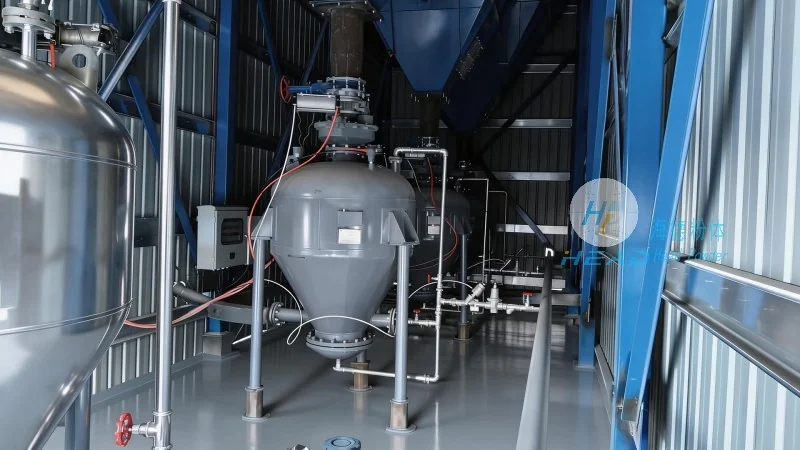
Customization and System Design
HeadPowder, with its expertise in engineering, offers customized pneumatic conveying solutions tailored to specific client requirements. The company considers factors such as material characteristics, distance of transport, and environmental conditions to design an optimal system. This includes selecting the appropriate type of pneumatic conveying (pressure or vacuum), determining the size and material of the conveying line, and integrating necessary accessories like filters and cyclones to ensure clean and efficient operation. The goal is to provide a system that maximizes efficiency, minimizes downtime, and meets the client's operational needs.
Maintenance and Operational Considerations
Proper maintenance is crucial to ensure the longevity and efficiency of a corn pellet pneumatic conveying system. Regular checks on the air compressor or vacuum pump, cleaning of the conveying line and filters, and inspection of the feed and discharge hoppers are essential. HeadPowder provides maintenance services and technical support to clients, ensuring that the system operates at peak performance. Additionally, operators should be trained on the proper use and safety protocols of the system to prevent accidents and ensure smooth operation.
Conclusion
In conclusion, the principle of corn pellet pneumatic conveying systems is based on the effective use of air or gas to transport solid materials efficiently and reliably. With its advantages in efficiency, hygiene, and versatility, this technology is indispensable in the agricultural and food processing industries. HeadPowder, based in Shandong, China, is a trusted partner in providing advanced pneumatic conveying solutions that meet the specific needs of clients, ensuring optimal performance and operational success.