

Role of Pneumatic Conveying in Recycled Coke Powder Transportation
Recycled coke powder is a critical material in the steelmaking process, and its efficient transportation is essential for maintaining production efficiency and safety. Pneumatic conveying technology has become a highly effective method for handling this material, offering advantages such as non-contact transfer, reduced contamination, and improved process control. This article explores the role of pneumatic conveying in the transportation of recycled coke powder, highlighting its benefits and practical applications.
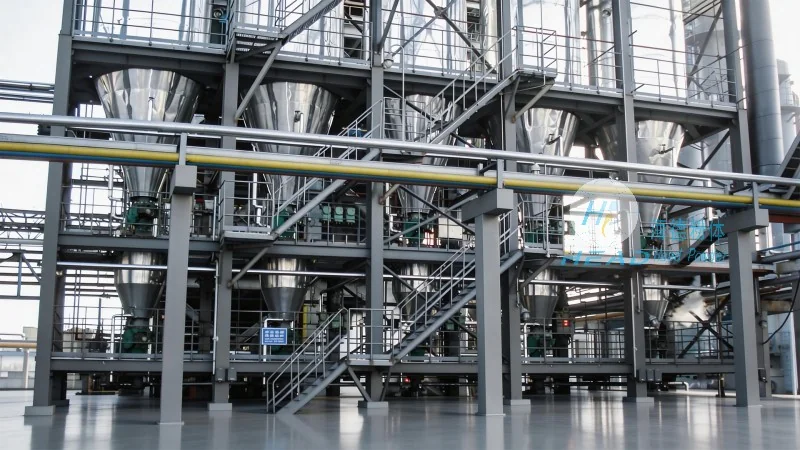
Understanding Recycled Coke Powder and Its Transportation Needs
Recycled coke powder, also known as recycled coke or coke breeze, is a byproduct of the coke production process. It is a fine, granular material commonly used as a fuel or reducing agent in blast furnaces. Due to its fine particle size and potential for dust generation, traditional bulk material handling methods like belt conveyors or screw conveyors may not be suitable. These methods often lead to material degradation, increased equipment wear, and higher risk of dust explosions. Therefore, specialized handling solutions are required to ensure safe and efficient transportation.
Pneumatic Conveying: A Superior Solution for Recycled Coke Powder
Pneumatic conveying uses air or other gases to transport bulk materials through a pipeline system. This technology is particularly well-suited for handling fine powders like recycled coke powder due to its ability to move material without direct contact, minimizing contamination and degradation. The system typically consists of a blower, a hopper for material storage, and a pipeline network directing the material to its destination. The air flow creates a low-pressure zone that draws the powder into the pipeline, where it is carried to the receiving point. This method offers several advantages over traditional bulk handling methods, including reduced labor costs, lower maintenance requirements, and improved process flexibility.
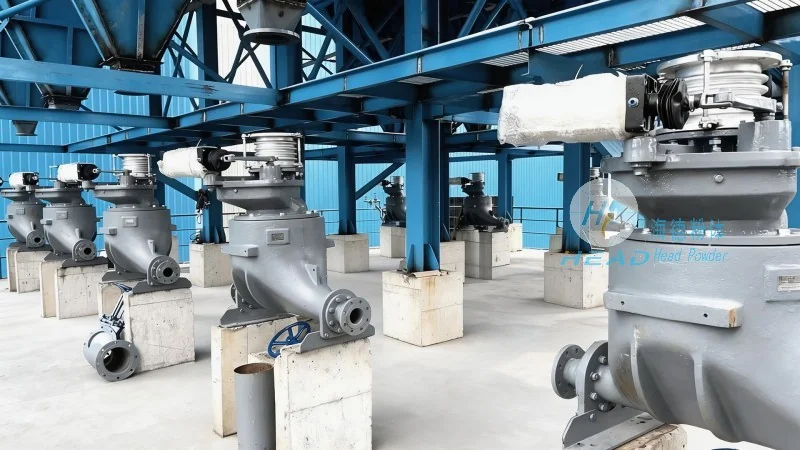
Key Benefits of Pneumatic Conveying for Recycled Coke Powder
One of the primary benefits of pneumatic conveying in recycled coke powder transportation is its ability to maintain material integrity. The non-contact transfer prevents the powder from being crushed or mixed with other materials, ensuring consistent quality. This is critical for steelmaking applications, where the properties of the coke powder directly impact the final steel product. Additionally, pneumatic conveying systems can handle varying particle sizes and moisture content, making them versatile for different production scenarios.
Enhanced Safety and Environmental Control
Another significant advantage of pneumatic conveying is its contribution to workplace safety and environmental control. Unlike open systems that may generate dust clouds, pneumatic conveying operates within a closed pipeline system, reducing dust exposure and explosion risks. The enclosed system also helps control emissions and prevent environmental contamination. This is vital in industrial settings where regulatory compliance and environmental responsibility are paramount. By minimizing dust emissions and ensuring a controlled transfer process, pneumatic conveying contributes to a safer and more sustainable operation.
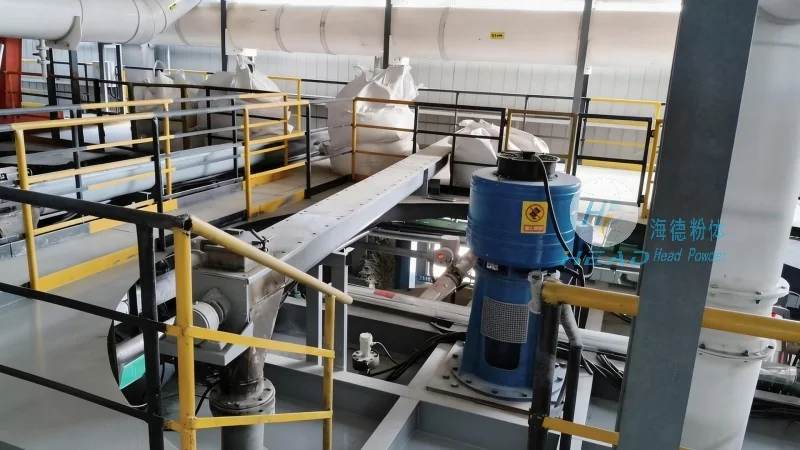
Application Examples and Case Studies
Companies like Shandong HeadPowder Engineering Co., Ltd. have successfully implemented pneumatic conveying systems for recycled coke powder transportation in steel mills. For example, a major steel producer in Shandong, China, installed a pneumatic conveying system to transport recycled coke powder from storage silos to the blast furnace. The system was designed to handle 100 tons of material per hour, with a pipeline length of over 500 meters. The implementation resulted in a 30% reduction in material handling time and a 20% decrease in equipment maintenance costs. This case study demonstrates the practical benefits of pneumatic conveying in real-world industrial applications.
Customization and System Design Considerations
When implementing a pneumatic conveying system for recycled coke powder, several factors need to be considered for optimal performance. The first is the material's physical properties, such as particle size distribution, moisture content, and density. These characteristics influence the air velocity required and pipeline design. The second is the system's capacity and layout, tailored to production scale and source-to-destination distance. Additionally, control and monitoring capabilities are crucial for consistent operation and real-time issue detection.