

[WDTTP]Wood Dust Technical Parameters and Conveying System Process
Shandong HeadPowder Engineering Co., Ltd. specializes in the design, manufacturing, and implementation of advanced wood dust handling solutions. The company, operating under the brand name headpowder, provides comprehensive systems tailored to the unique challenges of wood dust management in industrial settings. With a focus on efficiency, safety, and environmental compliance, headpowder's solutions address the critical technical parameters that define effective wood dust handling and transportation.

Key Technical Parameters for Wood Dust Handling
Effective wood dust management begins with understanding the fundamental technical parameters that influence system performance. Wood dust, derived from various sources such as sawmills, woodworking plants, and furniture manufacturing facilities, exhibits distinct characteristics that impact handling efficiency. Key parameters include particle size distribution, moisture content, bulk density, and air permeability. These factors directly affect the selection of appropriate equipment, such as dust collectors, conveyors, and storage vessels. For instance, finer wood dust particles may require higher air velocities in collection systems to ensure adequate capture, while higher moisture content can affect the dust's flowability and potential for caking. The company's engineering team conducts thorough material analysis to determine these parameters, ensuring that the designed system meets the specific operational requirements of each client.
Conveying System Design and Components
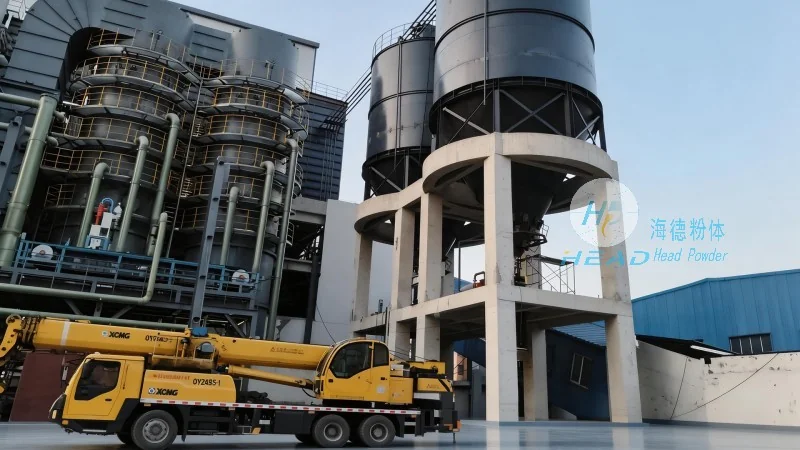
The conveying system is a core component of any wood dust handling process, responsible for transporting the collected dust from the source to the storage or processing unit. headpowder employs a range of conveying technologies, including pneumatic conveying (both positive and negative pressure systems) and mechanical conveying methods like screw conveyors and belt conveyors. The choice of system depends on factors such as the distance to be covered, the volume of dust, and the required speed of transport. Pneumatic conveying systems are particularly effective for fine wood dust, as they can handle high volumes with minimal maintenance, while mechanical systems are often preferred for bulkier or more abrasive materials. Each component, from the dust collection hopper to the discharge point, is engineered to minimize material loss and ensure consistent flow. The company's design process incorporates considerations for dust explosion prevention, using explosion-proof motors and proper venting systems to comply with safety standards. Additionally, the system is designed for easy maintenance, with accessible components and clear operational indicators to facilitate regular upkeep.
System Integration and Process Optimization
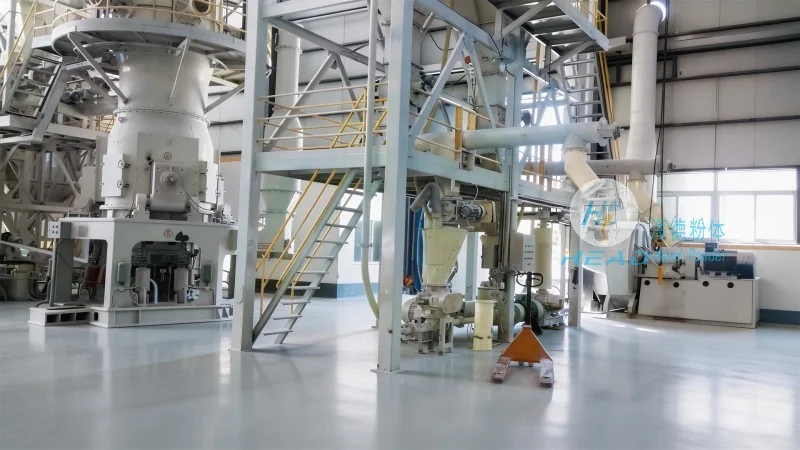
headpowder's approach to wood dust handling goes beyond individual components, focusing on the seamless integration of the entire system to achieve optimal performance. The conveying system is integrated with dust collection equipment, such as cyclone separators or baghouse filters, to ensure that the dust is efficiently captured before transportation. The design considers the entire workflow, from raw material processing to final storage, to minimize bottlenecks and maximize throughput. Process optimization involves continuous monitoring of key performance indicators (KPIs), including dust capture efficiency, system pressure drop, and energy consumption. By analyzing these metrics, the company can identify areas for improvement and implement adjustments to enhance system reliability and reduce operational costs. For example, adjustments to air flow rates or conveyor speed can significantly impact the system's overall efficiency. The company also provides post-installation support, including training for operators and regular maintenance services, to ensure that the system operates at peak performance over its lifespan.
Compliance and Safety Standards
Wood dust handling systems must comply with stringent safety and environmental regulations, particularly regarding dust explosion prevention and air quality control. headpowder's systems are designed to meet or exceed international standards, such as those outlined in the European Union's ATEX directive and the U.S. National Fire Protection Association (NFPA) guidelines. The company incorporates explosion-proof designs, including spark arrestors and flameproof enclosures, to mitigate the risk of dust explosions. Additionally, the system includes filtration and ventilation components to maintain air quality within acceptable limits, reducing the impact on both the environment and worker health. Regular testing and certification ensure that the system remains compliant with evolving regulations, providing clients with peace of mind regarding their operational safety and environmental responsibility.
Case Studies and Application Examples
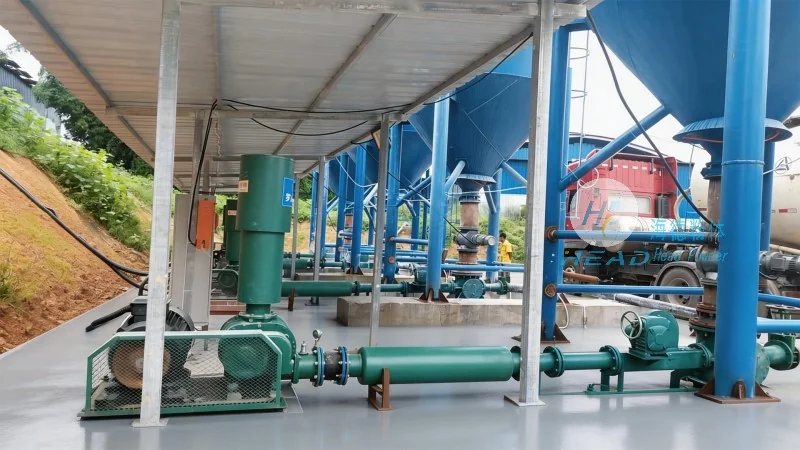
headpowder has successfully implemented wood dust handling systems in various industrial applications, demonstrating the effectiveness of its technology. For instance, a large-scale sawmill in Shandong Province required a system to manage wood dust from multiple processing lines. The company designed a combination of cyclone collectors and pneumatic conveyors to transport the dust to a central storage silo. The system achieved a dust capture efficiency of over 99%, with minimal material loss and low energy consumption. Another application involved a furniture manufacturing plant, where the system was integrated with a dust collection system to handle fine wood dust from sanding and cutting operations. The system's flexibility allowed for easy expansion as the plant's production capacity increased. These case studies highlight the adaptability and reliability of headpowder's solutions, which are tailored to meet the specific needs of each client while maintaining high performance standards.