

Technical Parameters and Conveying System for Calcium Hydroxide
For industrial applications, understanding the technical parameters of calcium hydroxide is crucial for optimizing processing and ensuring efficient operation. This document outlines key specifications and the design considerations for a robust conveying system tailored to handle calcium hydroxide material. The information is presented by Shandong HeadPowder Engineering Co., Ltd., a leading provider in the field, with operations based in Shandong, China.
Key Technical Parameters of Calcium Hydroxide
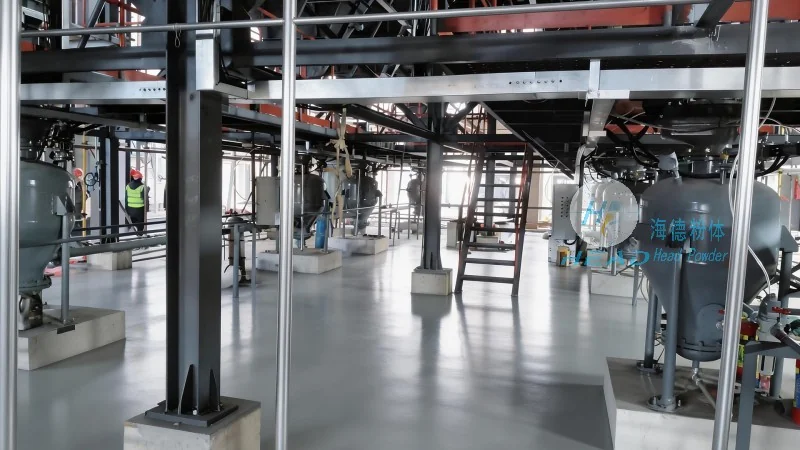
Calcium hydroxide, commonly known as slaked lime, is a white or grayish powder with a Mohs hardness of about 1.5. Its density typically ranges from 2.2 to 2.4 g/cm³, depending on the particle size and moisture content. The material's bulk density is an important factor in conveying system design, as it affects flow characteristics and equipment sizing. For example, a typical bulk density of 0.8 to 1.2 kg/L is observed under standard conditions. The chemical formula is Ca(OH)₂, and its purity is often specified as ≥95% for industrial use. Particle size distribution is another critical parameter; most applications require a fine powder with a D₅₀ (median particle size) ranging from 10 to 200 microns. Coarser particles may lead to blockages in pipelines and reduce the efficiency of downstream processes.
Conveying System Design for Calcium Hydroxide
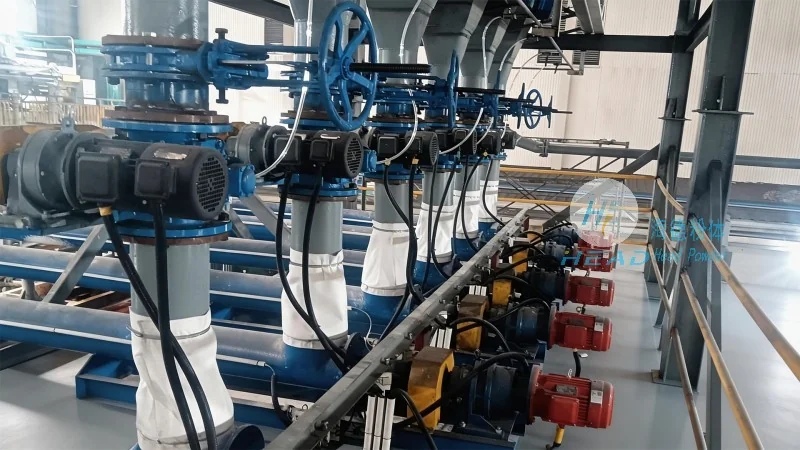
The conveying system for calcium hydroxide must address several challenges due to the material's properties. First, the system must handle the material's tendency to agglomerate, which can cause clogging in pneumatic or mechanical conveyors. To mitigate this, the design incorporates features such as high-shear mixers and rotary airlock valves to break up lumps before transport. The system typically uses a combination of positive displacement blowers and flexible hoses or rigid pipelines. The selection of blower type is critical; centrifugal blowers are preferred for large-scale operations due to their high airflow capacity and lower maintenance requirements. The pipeline layout is designed to minimize vertical and horizontal changes, reducing the risk of material settling or air entrainment. Additionally, the system includes dust collection and filtration components to comply with environmental regulations and ensure workplace safety.

System Components and Operational Considerations
Key components of the conveying system include the feed hopper, which is equipped with a level sensor to monitor material inventory and prevent overfilling. The hopper is connected to a rotary valve that controls the flow rate to the conveyor. The conveyor itself may be a pneumatic system using compressed air to move the material through the pipeline. The air velocity is maintained at a level that ensures the material is fully suspended without causing excessive wear on the pipeline. For long-distance conveying, a series of intermediate silos and rotary valves are used to break the material into smaller batches, reducing the pressure drop and preventing blockages. The system also includes a pressure regulator to maintain consistent air pressure and a filter to remove any debris from the air stream. Operational considerations include regular maintenance of the rotary airlock valves and blowers to ensure smooth operation. The system is designed to operate continuously with minimal downtime, and the components are selected for durability in a corrosive environment, as calcium hydroxide can be slightly basic and may cause wear on metal parts.
Application and Industry Standards
The conveying system is widely used in industries such as water treatment, construction, and chemical manufacturing. In water treatment, calcium hydroxide is used for pH adjustment and softening of water. The system must be able to handle the material's reactivity with water and prevent any leakage that could affect water quality. In construction, it is used as a component in mortar and plaster, requiring a consistent and fine powder for proper mixing. The system adheres to industry standards such as ASME and ISO for safety and performance. Regular testing of the material's properties, including moisture content and particle size, ensures that the system meets the required specifications for each application. The design also considers the environmental impact, with features like dust suppression and noise reduction to comply with local regulations.
Conclusion
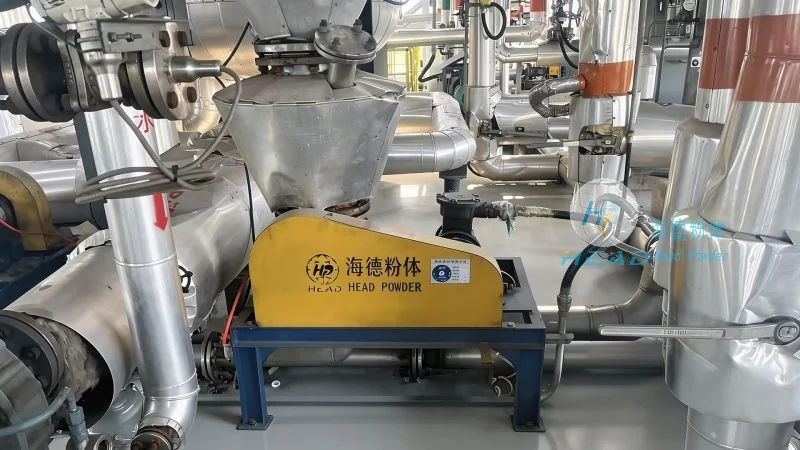
Shandong HeadPowder Engineering Co., Ltd. provides comprehensive solutions for calcium hydroxide conveying systems, incorporating advanced technology and adherence to industry standards. The system is designed to optimize material handling efficiency while ensuring safety and compliance. By understanding the technical parameters of calcium hydroxide and implementing a well-designed conveying system, industries can enhance their operational performance and reduce costs. The company's expertise in engineering and manufacturing ensures that clients receive tailored solutions that meet their specific needs.