

Types and Practical Applications of Pneumatic Conveying Systems for Denitrification Urea Transport
Denitrification urea, as a key component in modern flue gas treatment processes, requires efficient and reliable transport systems to ensure smooth operation of the overall denitrification system. Pneumatic conveying systems have emerged as a preferred solution for handling urea in such applications due to their ability to transport bulk materials over long distances with minimal mechanical wear and reduced risk of contamination. This article explores the different types of pneumatic conveying systems commonly used in denitrification urea transport and their practical applications, highlighting the expertise of Shandong HeadPowder Engineering Co., Ltd. (HeadPowder) in providing tailored solutions for industrial clients.
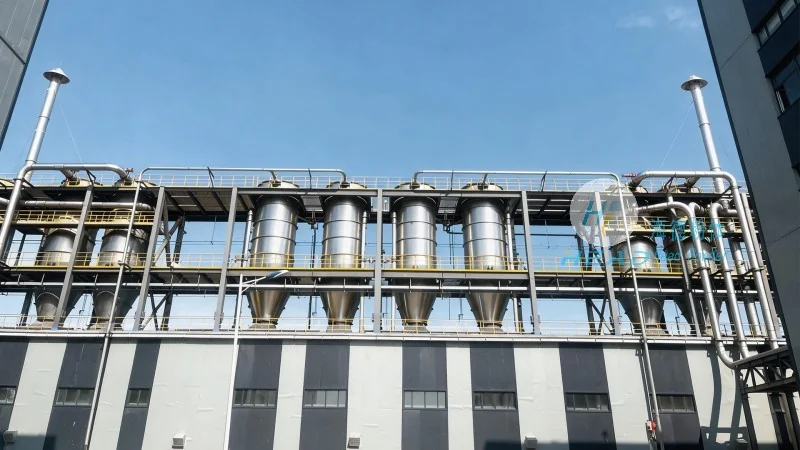
Types of Pneumatic Conveying Systems for Denitrification Urea Transport
There are primarily two main categories of pneumatic conveying systems: positive pressure and negative pressure systems. Each type has distinct characteristics and is suitable for different operational requirements in urea transport within denitrification processes.
Positive Pressure Pneumatic Conveying Systems
Positive pressure systems operate by blowing air or gas into the conveying line to move the urea material. This method is often preferred for applications requiring high material flow rates and long-distance transport. The system typically consists of a blower, a hopper, and a pipeline network. The positive pressure ensures that the material is continuously pushed through the system, minimizing the risk of blockages and ensuring consistent flow. For denitrification urea transport, positive pressure systems are particularly effective when dealing with large quantities of urea that need to be delivered to the injection points in the flue gas treatment system. HeadPowder specializes in designing positive pressure systems that can handle the specific characteristics of urea, such as its granular size and moisture content, ensuring optimal performance and reliability.
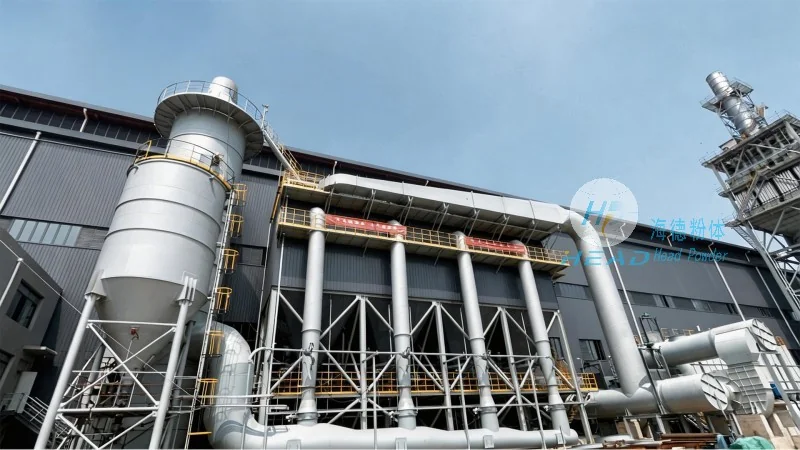
Negative Pressure Pneumatic Conveying Systems
Negative pressure systems, on the other hand, operate by creating a vacuum in the conveying line to draw the urea material from the source. This approach is commonly used for shorter transport distances and applications where the material needs to be collected from various points. The system includes a vacuum pump, a collection hopper, and a return line. Negative pressure systems are advantageous in reducing dust emissions and are suitable for environments where dust control is critical. In denitrification urea transport, negative pressure systems can be employed when the urea is stored in multiple bins and needs to be consolidated into a central injection point. HeadPowder’s expertise in negative pressure systems allows for the design of systems that maintain low air velocities, minimizing particle degradation and ensuring the integrity of the urea during transport.
Other Specialized Pneumatic Conveying Technologies
Beyond the basic positive and negative pressure systems, there are specialized technologies that enhance the efficiency of urea transport in denitrification processes. One such technology is the hybrid pneumatic conveying system, which combines elements of both positive and negative pressure to optimize performance. This system can handle varying material flow rates and distances, making it versatile for complex denitrification setups. Another specialized technology is the dilute phase pneumatic conveying, which uses high air velocities to transport urea in a fine mist, reducing the risk of blockages and improving material handling. HeadPowder utilizes advanced engineering and simulation tools to design hybrid and dilute phase systems tailored to the specific needs of denitrification urea transport, ensuring that clients receive systems that are both efficient and cost-effective.
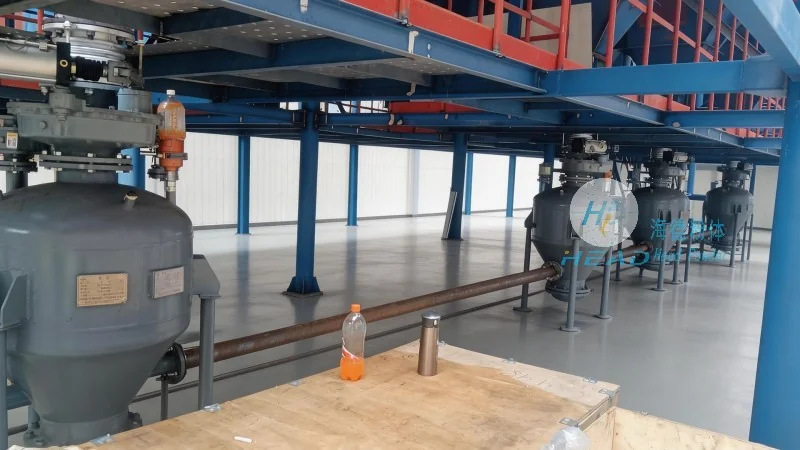
Practical Applications in Denitrification Urea Transport
The practical application of pneumatic conveying systems in denitrification urea transport involves several key steps and considerations. First, the system must be integrated with the existing flue gas treatment infrastructure, ensuring that the urea is delivered to the correct injection points at the appropriate concentration. This requires precise control of the material flow rate and pressure, which is achieved through advanced control systems and sensors. HeadPowder’s systems are equipped with state-of-the-art control technology that allows for real-time monitoring and adjustment, ensuring that the urea is injected at the optimal rate to achieve effective denitrification. Additionally, the system must be designed to handle the varying conditions of the urea, such as changes in moisture content or particle size, which can affect the conveying efficiency. HeadPowder’s engineers conduct thorough material analysis and process simulations to ensure that the designed system can accommodate these variations, providing long-term reliability and performance.
Case Studies and Real-World Examples
HeadPowder has successfully implemented pneumatic conveying systems for denitrification urea transport in various industrial applications. For instance, in a power plant located in Shandong, China, the company designed and installed a positive pressure system to transport urea from storage silos to the injection points in the flue gas treatment system. The system was able to handle a flow rate of 10 tons per hour, covering a distance of 200 meters with minimal pressure loss. The client reported significant improvements in denitrification efficiency and reduced maintenance costs due to the reliability of the HeadPowder system. Another case study involves a chemical plant where a negative pressure system was used to collect urea from multiple storage bins and consolidate it into a central hopper before transport. The system was designed to operate with low air velocities, ensuring that the urea particles remained intact and reducing dust emissions. The client praised HeadPowder’s ability to customize the system to meet their specific operational requirements, resulting in a seamless integration with their existing processes.

Key Considerations for Selecting a Pneumatic Conveying System for Denitrification Urea Transport
When selecting a pneumatic conveying system for denitrification urea transport, several factors must be considered to ensure optimal performance and reliability. The first consideration is the material characteristics of the urea, including its granular size, moisture content, and flowability. These factors determine the appropriate system type and design parameters. For example, if the urea has a high moisture content, a positive pressure system with a heated pipeline may be necessary to prevent caking and blockages. The second consideration is the distance and layout of the transport route, as this affects the choice between positive and negative pressure systems or specialized hybrid systems. The third consideration is the required flow rate and pressure, which must be matched with the system’s capacity and power requirements. HeadPowder provides comprehensive consultation services to help clients evaluate these factors and select the most suitable pneumatic conveying system for their denitrification urea transport needs. The company’s engineers work closely with clients to analyze their specific requirements and provide customized solutions that meet both operational and cost objectives.
Conclusion
Pneumatic conveying systems play a crucial role in the efficient and reliable transport of denitrification urea, a critical component in modern flue gas treatment processes. The choice of system type—whether positive pressure, negative pressure, or specialized hybrid systems—depends on the specific operational requirements, material characteristics, and transport distances. HeadPowder, with its expertise in engineering and design, offers tailored pneumatic conveying solutions that enhance the performance and reliability of denitrification urea transport systems. By leveraging advanced technology and thorough process analysis, HeadPowder ensures that clients receive systems that meet their specific needs, contributing to the overall effectiveness of their flue gas treatment operations. For industrial clients in need of reliable pneumatic conveying systems for denitrification urea transport, Shandong HeadPowder Engineering Co., Ltd. stands as a trusted partner, providing innovative solutions that drive operational efficiency and sustainability.