

Types and Practical Applications of Pneumatic Conveying Systems for Iron Oxide Transport
When it comes to transporting iron oxide, the choice of conveying system can significantly impact operational efficiency, material integrity, and overall process reliability. Pneumatic conveying systems have emerged as a versatile and effective solution for handling iron oxide, offering advantages such as reduced equipment wear, improved material flow control, and the ability to handle a wide range of particle sizes and moisture content. This article explores the different types of pneumatic conveying systems commonly used in iron oxide transport and their practical applications, providing insights into how these technologies can enhance industrial operations.
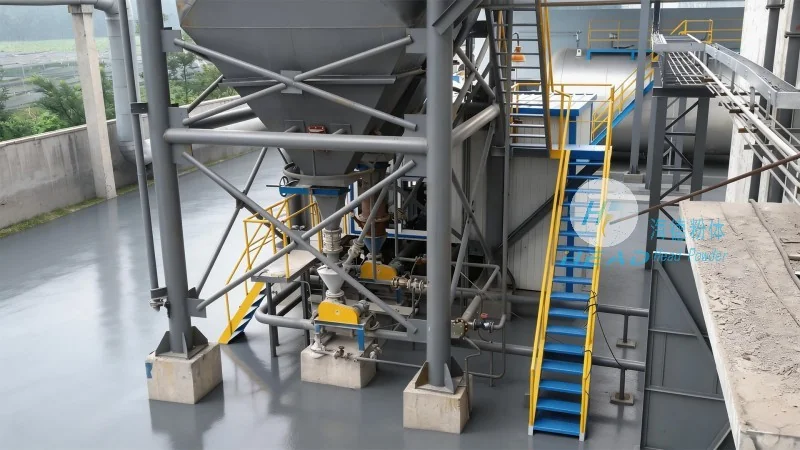
About Shandong HeadPowder Engineering Co., Ltd.
Shandong HeadPowder Engineering Co., Ltd., a leading provider in the field of material handling solutions, specializes in designing and manufacturing advanced pneumatic conveying systems tailored to the unique needs of various industries. With a focus on innovation and quality, the company has established itself as a trusted partner for businesses seeking reliable and efficient solutions for iron oxide and other bulk material transport. HeadPowder's expertise lies in understanding the specific challenges of iron oxide handling, such as its abrasive nature and varying particle characteristics, and developing customized systems that ensure optimal performance and longevity.
Types of Pneumatic Conveying Systems for Iron Oxide Transport
There are primarily two main categories of pneumatic conveying systems used for iron oxide transport: positive pressure and negative pressure systems. Each type offers distinct advantages and is suitable for different operational scenarios.
Positive Pressure Pneumatic Conveying Systems
Positive pressure systems operate by blowing air or gas into the conveying line, creating a pressure higher than the ambient air pressure. This method is particularly effective for transporting iron oxide over long distances or through complex piping networks. The system typically includes a blower, a hopper for material storage, and a discharge point where the material is released. One of the key benefits of positive pressure systems is their ability to handle abrasive materials like iron oxide without causing excessive wear on the equipment. Additionally, these systems can be designed to operate in both continuous and batch modes, providing flexibility for different production requirements. The positive pressure approach also ensures that the material is conveyed in a sealed environment, minimizing dust emissions and maintaining material purity.
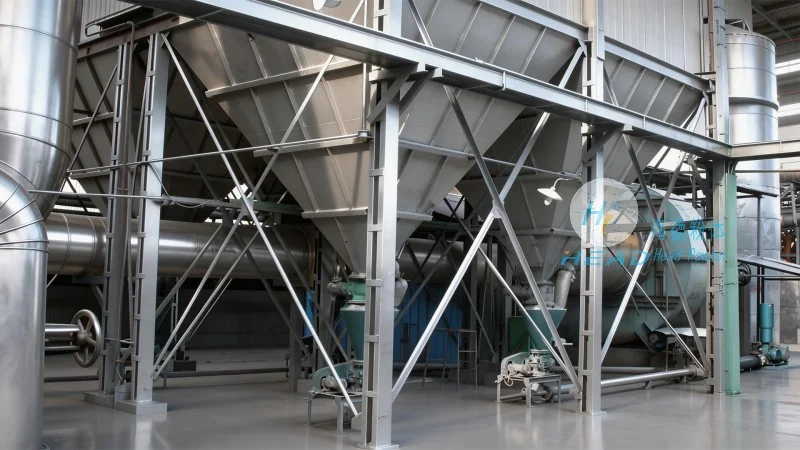
Negative Pressure Pneumatic Conveying Systems
Negative pressure systems, also known as suction or vacuum systems, operate by creating a vacuum in the conveying line, drawing material from the source into the system. This method is often preferred for short-distance transport or when the material needs to be collected from multiple points. The system typically consists of a vacuum pump, a hopper, and a collection point. Negative pressure systems are particularly useful for handling iron oxide in environments where dust control is critical, as the material is drawn into the system rather than being expelled. However, these systems may be more susceptible to clogging due to the lower air velocity compared to positive pressure systems. Proper maintenance and design considerations are essential to ensure the efficient operation of negative pressure systems for iron oxide transport.
Practical Applications of Pneumatic Conveying Systems in Iron Oxide Transport
Pneumatic conveying systems are widely used in various industrial applications involving iron oxide, including mining, manufacturing, and chemical processing. In the mining industry, these systems are employed to transport iron oxide from ore processing facilities to storage or processing plants. The ability to handle large volumes of material over long distances makes positive pressure systems ideal for this application. For example, a mining company in China utilizes a positive pressure pneumatic conveying system to transport iron oxide from a processing plant to a storage silo, achieving a conveying distance of over 1,000 meters with minimal material loss and high efficiency.
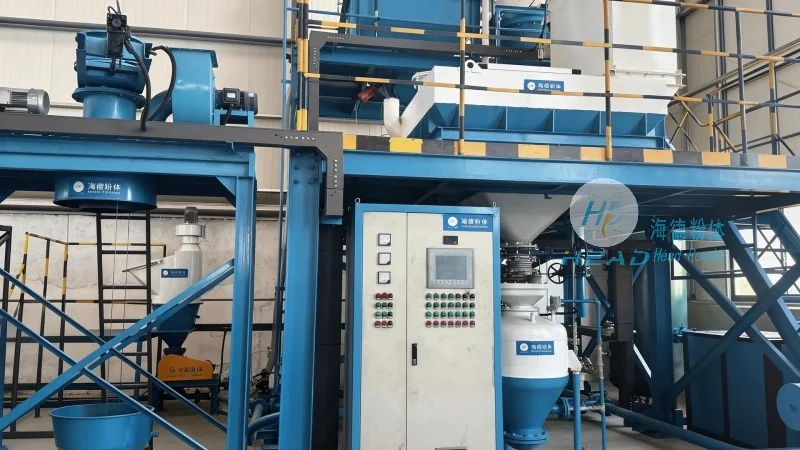
In the manufacturing sector, iron oxide is often used as a pigment in paints, coatings, and plastics. Pneumatic conveying systems are crucial for delivering iron oxide to production lines, ensuring a consistent and controlled flow of material. A paint manufacturing plant in Shandong, China, has implemented a negative pressure system to transport iron oxide from storage silos to mixing tanks, reducing the risk of dust exposure and improving product quality. The system's ability to handle fine iron oxide particles without clogging has been particularly beneficial for maintaining the uniformity of the final product.
In the chemical processing industry, iron oxide is used as a catalyst or additive in various chemical reactions. Pneumatic conveying systems are used to transport iron oxide to reactors, where it is introduced as part of the process. The positive pressure system is often preferred in this context due to its ability to handle high temperatures and corrosive environments, which are common in chemical processing facilities. A chemical company in Shandong has successfully implemented a positive pressure system to transport iron oxide to a reactor, achieving a consistent flow rate and ensuring the material is delivered in a controlled manner, thereby enhancing the efficiency of the chemical reaction.
Conclusion and Company Information
Pneumatic conveying systems offer a reliable and efficient solution for iron oxide transport, with positive and negative pressure systems each providing unique advantages based on the specific requirements of the application. The choice of system depends on factors such as distance, material characteristics, and environmental considerations. Shandong HeadPowder Engineering Co., Ltd. specializes in designing and manufacturing customized pneumatic conveying systems that meet the diverse needs of industries handling iron oxide. With a focus on quality, innovation, and customer satisfaction, HeadPowder provides solutions that enhance operational efficiency, reduce costs, and ensure the integrity of iron oxide materials throughout the transport process. Based in Shandong, China, the company serves clients globally, delivering tailored solutions that address the unique challenges of iron oxide handling and contribute to the success of industrial operations.