

Types and Practical Applications of Pneumatic Conveying Systems for Calcium Chloride Transport
Calcium chloride is a widely used chemical in various industries, including construction, de-icing, and food processing. The efficient and safe transport of this material is crucial for industrial operations. Pneumatic conveying systems have emerged as a reliable solution for handling calcium chloride, offering advantages such as reduced dust, improved safety, and enhanced process control. This article explores the different types of pneumatic conveying systems used in calcium chloride transport and their practical applications.
Overview of Pneumatic Conveying Systems
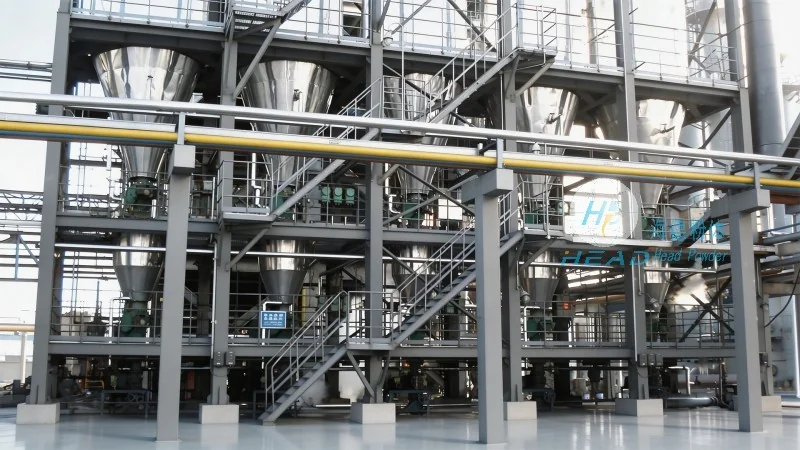
Pneumatic conveying systems utilize air or other gases to transport bulk materials like calcium chloride through a pipeline. These systems are categorized into two main types: positive pressure and negative pressure systems. Each type has distinct characteristics and is suitable for different operational requirements.
Types of Pneumatic Conveying Systems for Calcium Chloride
1. Positive Pressure Conveying - This system operates by blowing air or gas into the material to be conveyed, creating a positive pressure inside the pipeline. The material is then pushed through the system by the force of the air. Positive pressure systems are commonly used for long-distance and high-capacity transport, as they can handle larger volumes of material and are less prone to blockages. They are particularly effective for calcium chloride, which can be abrasive and require robust equipment to prevent wear and tear.
2. Negative Pressure (Vacuum) Conveying - In contrast, negative pressure systems create a vacuum in the pipeline, drawing the material into the system using suction. This method is ideal for short-distance transport and applications where the material needs to be collected from multiple points. Negative pressure systems are often preferred for handling fine powders or materials that are sensitive to pressure changes, as they minimize the risk of material degradation.
Practical Applications in Calcium Chloride Transport
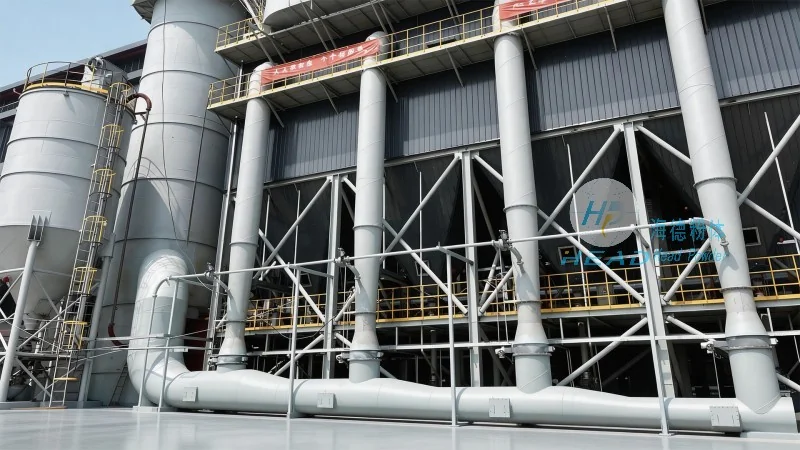
The choice of pneumatic conveying system depends on the specific requirements of the calcium chloride application. For example, in the construction industry, positive pressure systems are often used to transport calcium chloride for de-icing roads and sidewalks, as they can cover long distances and handle large quantities of material efficiently. In the food processing sector, negative pressure systems may be preferred to ensure the material remains uncontaminated and free from air exposure, which could affect its quality.
In industrial settings, such as chemical plants, both types of systems may be employed depending on the production process. Positive pressure systems are used for transporting raw calcium chloride from storage to processing units, while negative pressure systems are used for collecting waste or byproducts. The flexibility of pneumatic conveying systems allows for seamless integration into existing industrial workflows, enhancing overall operational efficiency.
Advantages of Pneumatic Conveying for Calcium Chloride
Pneumatic conveying systems offer several advantages over traditional methods like belt conveyors or bucket elevators. One of the key benefits is the reduction of dust and airborne particles, which improves workplace safety and compliance with environmental regulations. Calcium chloride is a hygroscopic material, meaning it absorbs moisture from the air, and pneumatic systems help minimize exposure to humidity, preserving the material's properties.
Another advantage is the ability to control the flow rate and pressure, allowing for precise dosing and mixing. This is particularly important in applications where calcium chloride is used as a coagulant or de-icer, as accurate dosing ensures optimal performance. Additionally, pneumatic conveying systems are less prone to material buildup and blockages compared to mechanical systems, reducing downtime and maintenance costs.
Case Study: HeadPowder's Pneumatic Conveying Solutions
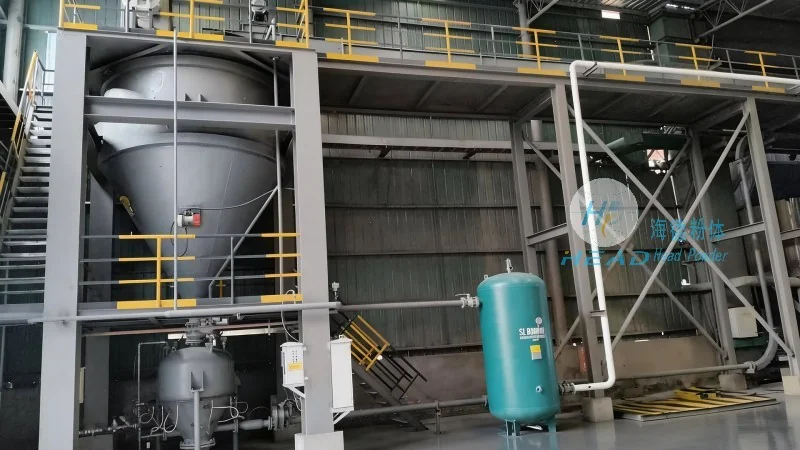
Shandong HeadPowder Engineering Co., Ltd., a leading provider of bulk material handling solutions, specializes in designing and manufacturing pneumatic conveying systems tailored to the needs of calcium chloride transport. With facilities located in Shandong, China, HeadPowder leverages advanced engineering and manufacturing capabilities to deliver high-quality systems that meet industry standards. Their expertise in material handling ensures that calcium chloride is transported safely and efficiently, supporting the operational demands of various industries.
HeadPowder's systems are designed to handle the unique characteristics of calcium chloride, such as its abrasive nature and hygroscopic properties. The company employs robust materials and advanced control systems to ensure long-term performance and minimal maintenance. By partnering with HeadPowder, industries can implement reliable and effective pneumatic conveying solutions that enhance productivity and reduce operational costs.
Conclusion
Pneumatic conveying systems are a vital component in the efficient transport of calcium chloride across various industries. The choice between positive and negative pressure systems depends on the specific application requirements, with each offering distinct advantages. By leveraging the expertise of companies like Shandong HeadPowder Engineering Co., Ltd., industries can implement reliable and effective pneumatic conveying solutions that enhance safety, efficiency, and overall operational performance.