

[Lime Slurry Pneumatic Conveying Technology: In-Depth Analysis of Negative Pressure and Positive Pre
HeadPowder, a leading engineering company based in Shandong, China, specializes in providing advanced pneumatic conveying solutions for industries handling lime slurry. This article delves into the technical aspects of negative and positive pressure pneumatic conveying systems, exploring their principles, applications, and benefits for efficient material transport.
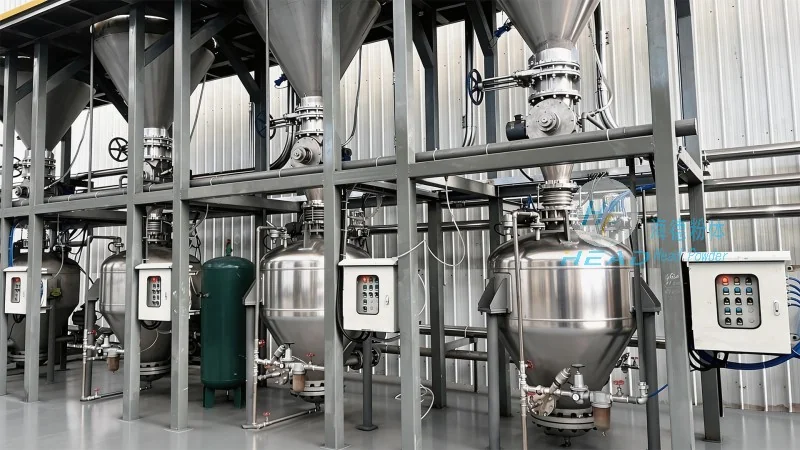
About HeadPowder: Your Trusted Partner in Pneumatic Conveying Solutions
HeadPowder, formally known as Shandong HeadPowder Engineering Co., Ltd., is a professional engineering firm dedicated to designing, manufacturing, and implementing high-quality pneumatic conveying systems. With a strong presence in Shandong, China, the company leverages years of experience to deliver tailored solutions that meet the unique demands of clients across various sectors. HeadPowder's commitment to innovation and reliability ensures that clients receive systems that are not only efficient but also durable and cost-effective.
Understanding Lime Slurry Pneumatic Conveying: The Core of Efficient Material Handling
Lime slurry, a mixture of lime (calcium oxide or calcium hydroxide) and water, is widely used in industrial processes such as water treatment, flue gas desulfurization, and chemical manufacturing. Conveying this material efficiently is crucial for maintaining operational productivity and reducing downtime. Pneumatic conveying offers a non-contact, low-maintenance method to transport lime slurry over long distances, minimizing the risk of material degradation and equipment wear. The choice between negative and positive pressure systems depends on factors like material properties, distance, and system layout.
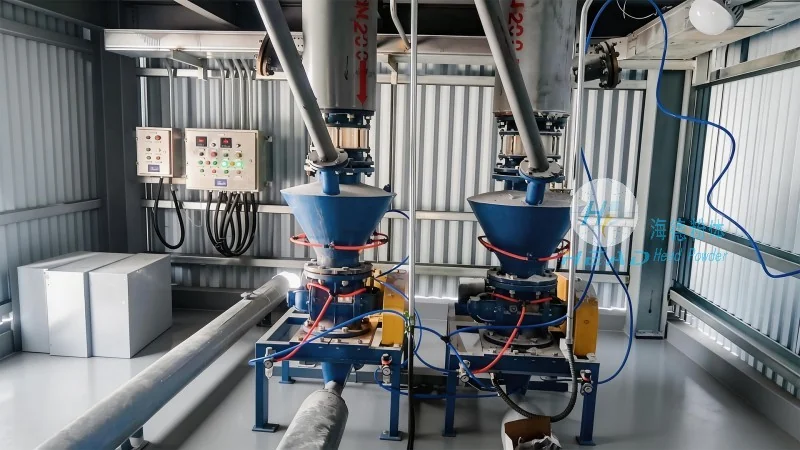
Negative Pressure Pneumatic Conveying: Principles and Applications
Negative pressure (or vacuum) pneumatic conveying systems operate by creating a lower pressure in the conveying line compared to the ambient environment. This vacuum draws the material from the source into the system using a fan or vacuum pump. The primary advantages of negative pressure systems include lower energy consumption for short to medium distances, reduced risk of dust leakage, and suitability for handling fine or dusty materials. These systems are ideal for applications where the material is generated at a central point and needs to be transported to multiple destinations. HeadPowder's negative pressure systems are designed with robust vacuum pumps and flexible hoses, ensuring reliable operation in demanding environments.
Positive Pressure Pneumatic Conveying: Advantages and Use Cases
Positive pressure systems, on the other hand, generate higher pressure in the conveying line than the surrounding air. A blower or positive pressure fan forces the material through the system, making them suitable for longer distances and higher material loads. These systems are particularly effective for handling bulk materials with higher density and moisture content, as they can maintain consistent flow rates and prevent material settling. Positive pressure systems also offer better control over material discharge and are less prone to clogging compared to negative pressure systems. HeadPowder's positive pressure solutions incorporate high-efficiency blowers and advanced control systems to optimize performance and reduce operational costs.
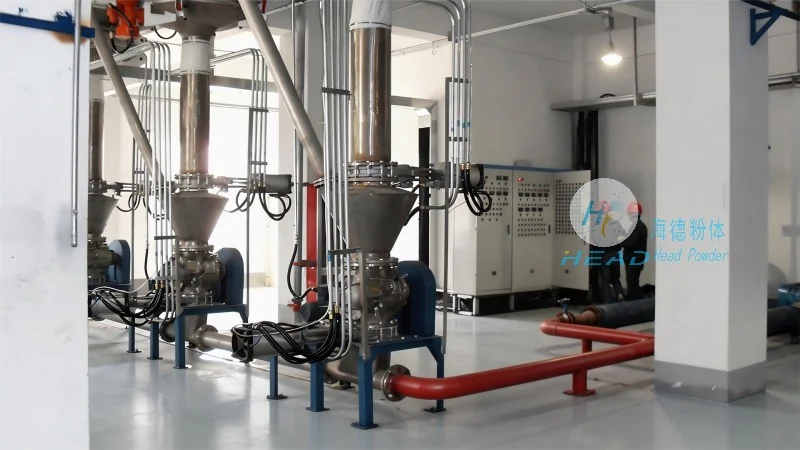
Real-World Applications: Where Negative and Positive Pressure Systems Shine
The choice between negative and positive pressure pneumatic conveying systems is often determined by the specific requirements of the application. For example, in water treatment plants, negative pressure systems may be used to transport lime slurry from storage tanks to reactors, as the material is generated at a central location and needs to be distributed to multiple points. In contrast, positive pressure systems are preferred in flue gas desulfurization plants where the material needs to be transported over longer distances from the reactor to the storage area. HeadPowder has successfully implemented both types of systems in various industrial settings, demonstrating their versatility and effectiveness. Clients have reported significant improvements in operational efficiency, reduced maintenance costs, and enhanced safety by adopting pneumatic conveying solutions from HeadPowder.
HeadPowder: Delivering Customized Pneumatic Conveying Solutions
At HeadPowder, we understand that every industrial process has unique challenges. Our team of experienced engineers works closely with clients to assess their specific needs, whether it's handling lime slurry over short or long distances, dealing with varying material properties, or integrating the system with existing infrastructure. We provide comprehensive solutions that include system design, equipment selection, installation, and after-sales support. By leveraging our expertise in negative and positive pressure pneumatic conveying technologies, HeadPowder ensures that clients receive systems that are tailored to their operational requirements, delivering long-term value and reliability. Contact us today to learn how our advanced pneumatic conveying solutions can enhance your material handling processes.