

[Mica Powder Pneumatic Conveying Technology: In-Depth Analysis of Negative Pressure and Positive Pre
Mica powder, a vital raw material in sectors like ceramics, coatings, and cosmetics, demands efficient and reliable handling for safe processing. Pneumatic conveying technology has become a leading solution, offering dust-free operation, reduced material degradation, and enhanced process control. This article explores the technical nuances of mica powder pneumatic conveying, focusing on the differences between negative pressure (suction) and positive pressure (blowing) systems, and their practical applications.
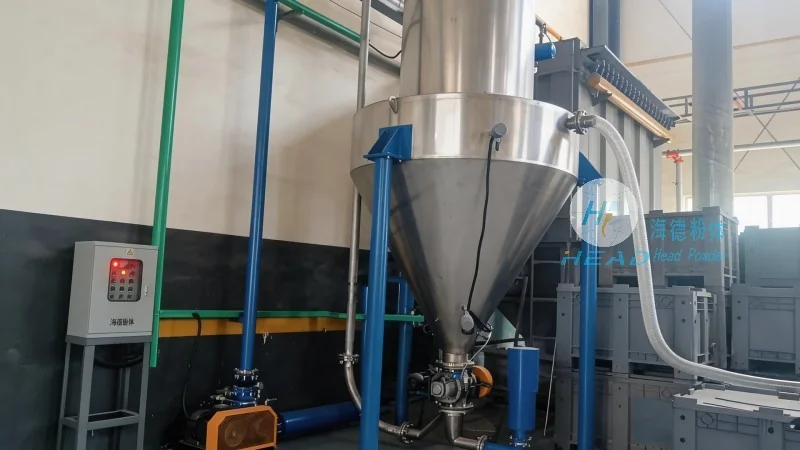
Introduction to Mica Powder Pneumatic Conveying
Mica powder, with its fine particle size and high specific surface area, presents unique challenges in material handling. Traditional methods such as belt conveyors or bucket elevators may cause dust generation, material attrition, and operational inefficiencies. Pneumatic conveying systems, which use air to transport powders through pipelines, provide a controlled environment for mica powder transfer. The choice between negative and positive pressure systems depends on factors like material properties, distance, and system complexity.
Understanding Negative Pressure (Suction) Pneumatic Conveying
Negative pressure systems, or suction conveyors, operate by creating a vacuum at the material inlet to draw powder into the pipeline. This method is ideal for applications where the material source is at a higher elevation or where dust containment is critical. The system typically includes a vacuum pump, a hopper for storage, and a filter to capture fine particles. For mica powder, negative pressure conveying preserves powder integrity by minimizing mechanical stress during transport.
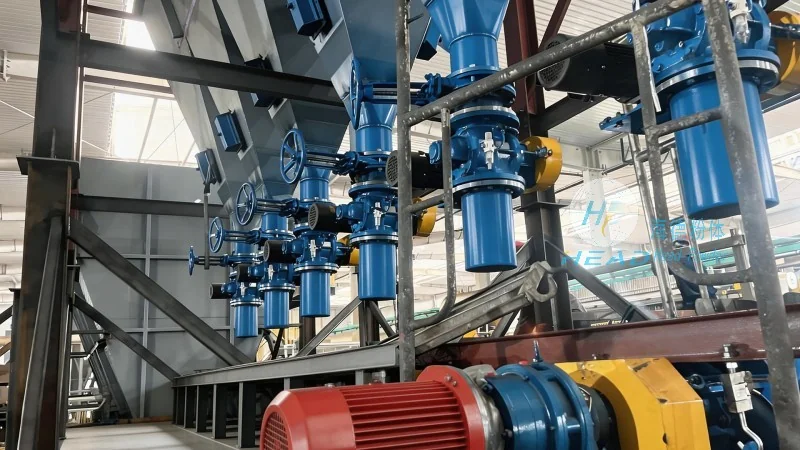
Key Features of Negative Pressure Conveying for Mica Powder
One primary advantage of negative pressure systems is their ability to handle fine powders without excessive particle breakage. The vacuum ensures smooth powder movement through the pipeline, reducing agglomeration or caking risks. These systems are often more compact and easier to integrate into existing facilities, making them a preferred choice for many industries. The negative pressure approach also enables dust collection at the source, improving safety and environmental compliance.
Positive Pressure (Blowing) Pneumatic Conveying Systems
Positive pressure systems, or blowing conveyors, use compressed air to push mica powder through pipelines. This method suits longer transport distances or lower material sources. The system consists of a blower, a hopper, and a discharge point, with air pressure ensuring efficient material movement. Positive pressure conveyors are more robust and capable of handling larger volumes compared to negative pressure systems.
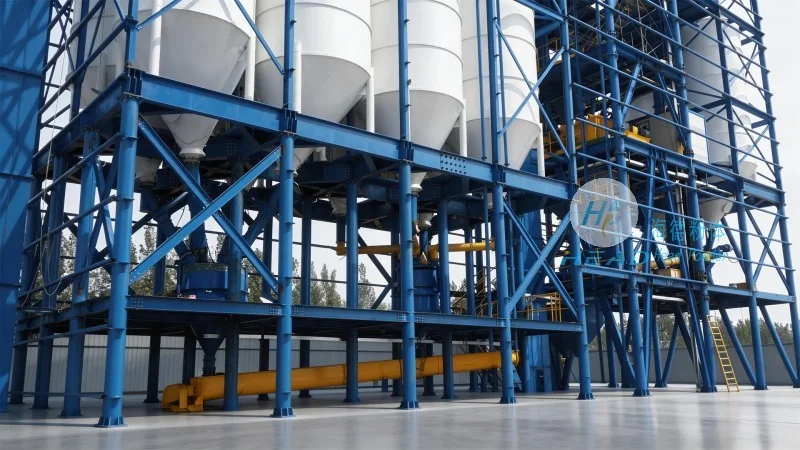
Advantages of Positive Pressure Conveying for Mica Powder
Positive pressure systems offer higher conveying capacities and can handle abrasive materials with less equipment wear. The compressed air maintains the particle size distribution of mica powder, as high velocity air minimizes attrition. Another benefit is flexible material distribution via multiple discharge points. However, these systems require more energy due to compressed air, affecting operational costs.
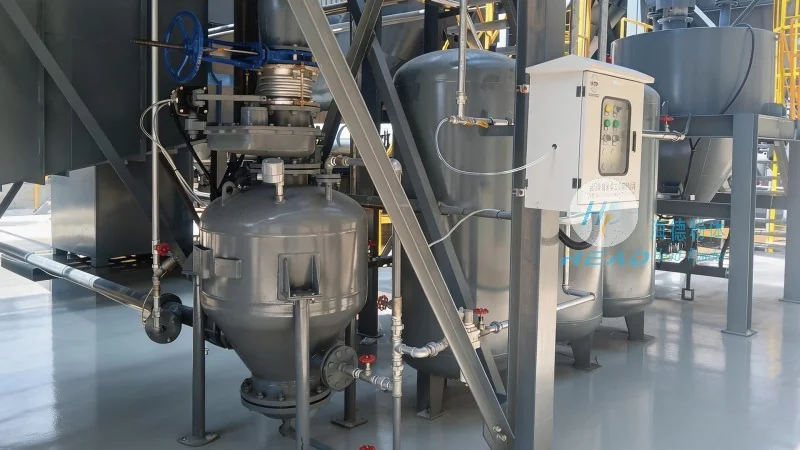
Application Scenarios and Practical Considerations
The selection between negative and positive pressure systems for mica powder depends on operational needs. For example, in a ceramic plant using mica as a flux, a negative pressure system may be preferred to avoid dust contamination. In a large-scale coating facility using mica as a filler, a positive pressure system might be better for longer distances and higher throughput. Particle size, moisture content, and bulk density also influence system choice.
Case Study: Implementation by Shandong HeadPowder Engineering Co., Ltd.
Shandong HeadPowder Engineering Co., Ltd., a leading pneumatic conveying solutions provider, has successfully implemented both systems for mica powder handling. The company customizes solutions to meet client needs, ensuring optimal performance. For instance, in a Chinese mica processing plant, HeadPowder engineered a negative pressure suction system reducing dust emissions by 80% while maintaining powder quality. In another project, a positive pressure blowing system was installed to transport mica powder over 200 meters, achieving 10 tons per hour throughput with minimal degradation.