

Airflow Conveying Technology for Calcium Carbide Powder: Principles, Applications, and Development Trends
Calcium carbide powder is a vital raw material in industries such as chemical synthesis, metallurgy, and the production of acetylene gas. Its safe and efficient transportation is critical due to properties like flammability and the risk of dust explosions. Airflow conveying technology provides a reliable solution, using compressed air or vacuum to move the powder through pipelines. This article examines the principles, applications, and evolving trends of this technology, with a focus on how it addresses the specific needs of calcium carbide powder handling.
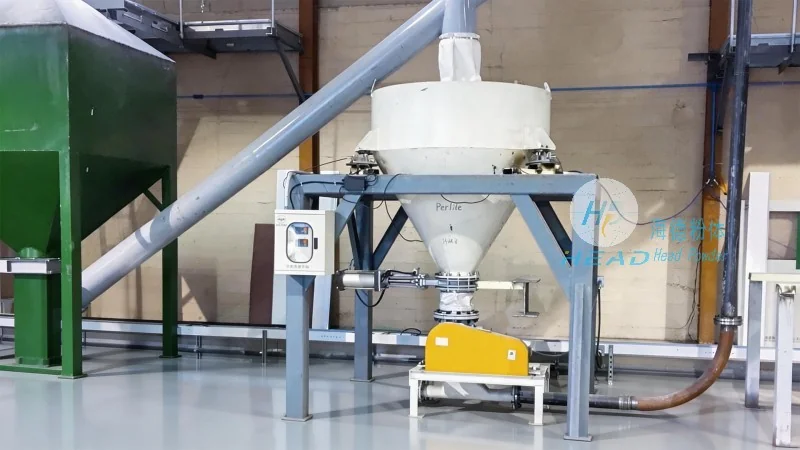
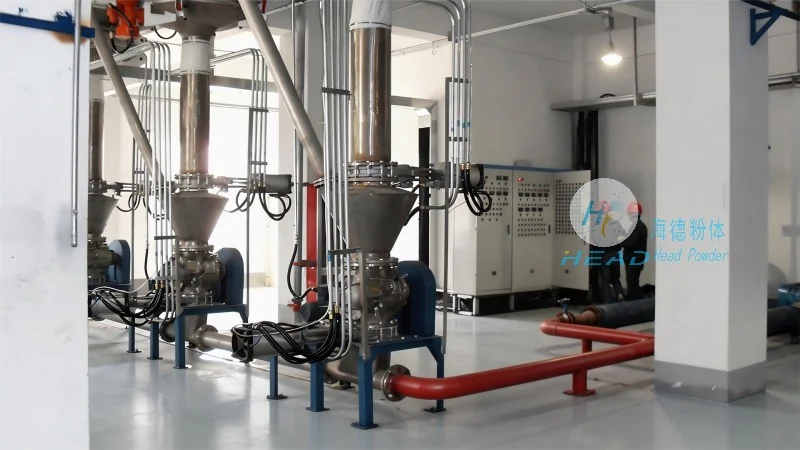
Principles of Airflow Conveying for Calcium Carbide Powder
Airflow conveying, or pneumatic conveying, operates by transporting bulk materials via a pipeline using air pressure or suction. For calcium carbide, which is highly reactive and poses fire hazards, explosion-proof designs are essential. The system typically uses positive pressure (blowing air into the line) or negative pressure (suction). Key components include flame arrestors, explosion-proof motors, and sealed parts to prevent ignition and contain explosions. Dust collection and filtration are also integral to ensure environmental compliance and air quality. The pipeline design—using flexible hoses or rigid pipes—and selection of valves and check valves are critical to prevent blockages, as calcium carbide can agglomerate or settle. Shandong HeadPowder Engineering Co., Ltd. specializes in designing explosion-proof airflow conveying systems that incorporate these safety features, ensuring compliance with industry standards and minimizing operational risks.
Applications of Airflow Conveying in Calcium Carbide Processing
Airflow conveying is widely used in calcium carbide processing across sectors. In chemical manufacturing, it delivers powder to reactors or storage tanks for acetylene production, ensuring purity and preventing degradation. In metallurgy, it supplies reducing agents to furnaces, requiring precise and reliable flow. The technology also handles storage and transfer to packaging areas, adapting to plant layouts. The system maintains material quality by preventing moisture or air exposure, which could alter chemical properties. Its ability to handle large volumes at high speeds makes it ideal for industrial applications.
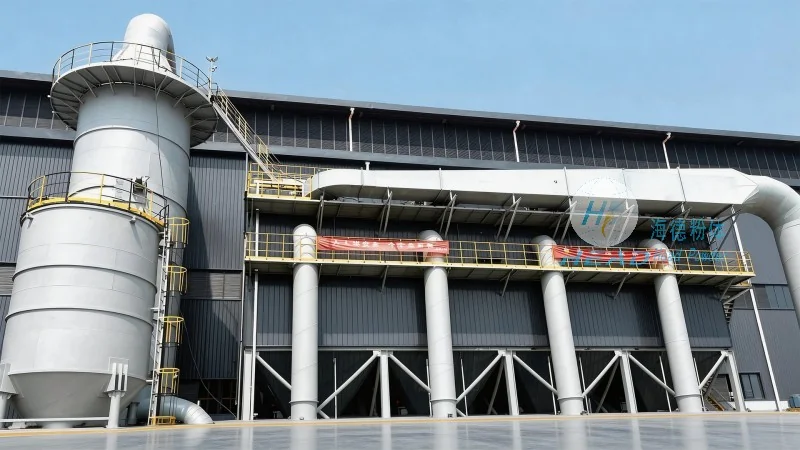
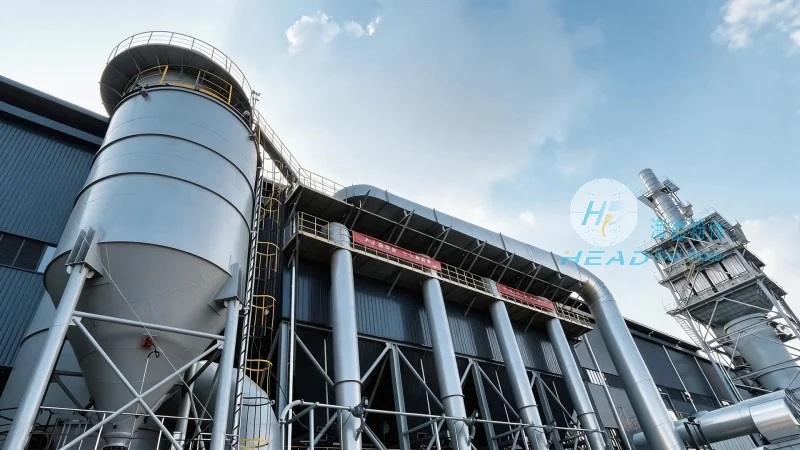
Development Trends in Airflow Conveying Technology
The technology is advancing with automation, energy efficiency, and sustainability. Integration of PLC and SCADA systems enables real-time monitoring and process optimization, improving efficiency and reducing downtime. Variable frequency drives (VFDs) optimize air pressure and flow, cutting energy use. Environmental compliance drives advancements in dust management and emission control, with advanced filtration and dust collection. Smart sensors and IoT enable predictive maintenance, preventing failures and lowering costs. Modular, customizable systems are also popular, allowing tailored solutions for small or large operations, supporting the demand for personalized industrial solutions in the calcium carbide industry.