

Design Considerations for Fertilizer Pneumatic Conveying Systems
Fertilizer pneumatic conveying systems are critical components in modern agricultural and industrial operations, enabling efficient and safe transport of bulk materials like granular fertilizers. The design of such systems requires careful consideration of multiple factors to ensure optimal performance, reliability, and cost-effectiveness. This article outlines key design considerations for fertilizer pneumatic conveying systems, with a focus on practical applications and industry best practices.

System Type Selection: Positive Pressure vs. Negative Pressure
The first critical decision in designing a fertilizer pneumatic conveying system is choosing the appropriate system type. Two primary categories dominate the industry: positive pressure and negative pressure systems. Positive pressure systems, where air is forced into the conveying line, are often preferred for long-distance or high-capacity applications due to their ability to handle abrasive materials and provide consistent flow. Negative pressure systems, which draw material into the system using suction, are typically used for shorter distances or when handling lighter, less abrasive materials. The choice between these systems depends on factors such as the distance between the source and destination, the material's characteristics (e.g., particle size, moisture content), and the required throughput. For instance, Shandong HeadPowder Engineering Co., Ltd. often recommends positive pressure systems for large-scale fertilizer plants due to their robustness and efficiency in handling high volumes of granular fertilizers.
Pipeline Design and Layout
Proper pipeline design is essential to minimize pressure drop, reduce energy consumption, and prevent material buildup or blockages. Key considerations include the diameter of the conveying pipes, the number of bends, and the slope of the system. Larger pipe diameters reduce friction losses and improve flow, but they increase material costs. The number of bends should be minimized to avoid excessive pressure loss and material degradation. The pipeline should also be sloped appropriately to prevent material accumulation at low points, which can lead to blockages or corrosion. For example, in designing a system for a fertilizer plant, engineers at Shandong HeadPowder Engineering Co., Ltd. typically use a 1:100 slope to ensure gravity-assisted flow and prevent material stagnation.
Pressure Control and Airflow Management
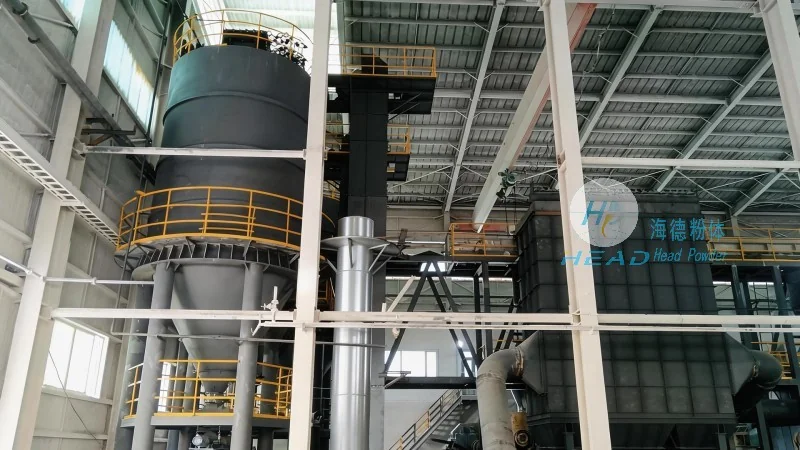
Effective pressure control is crucial for maintaining consistent material flow and preventing system failures. This involves selecting appropriate air compressors or vacuum pumps, as well as installing pressure regulators and flow meters. The pressure level must be optimized to balance the need for sufficient air velocity to keep material suspended with the need to minimize energy consumption. Overpressurization can lead to excessive wear on components and higher operational costs, while underpressurization can cause material settling or blockages. Shandong HeadPowder Engineering Co., Ltd. employs advanced control systems that monitor real-time pressure and airflow data, allowing for dynamic adjustments to maintain optimal performance. This approach ensures that the system operates efficiently under varying load conditions, such as during peak fertilizer production periods.
Material Selection for Components
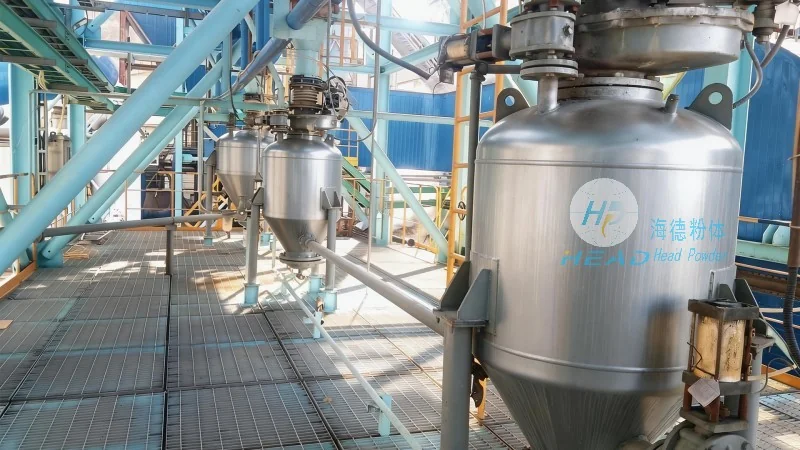
The components of a fertilizer pneumatic conveying system, including pipes, valves, and fittings, must be selected to withstand the corrosive and abrasive nature of fertilizers. Materials like stainless steel, polyethylene, or specialized alloys are commonly used to resist corrosion from moisture and chemicals, as well as wear from abrasive particles. For example, in systems handling high-moisture fertilizers, engineers may choose stainless steel for its resistance to rust and corrosion. In contrast, polyethylene pipes are often used for shorter, low-pressure applications due to their lightweight and cost-effectiveness. Shandong HeadPowder Engineering Co., Ltd. provides customized material recommendations based on the specific fertilizer type and operating conditions, ensuring that each component is optimized for durability and longevity.
System Integration and Maintenance
A well-designed fertilizer pneumatic conveying system is only as good as its integration with other processes and its maintenance plan. Integration considerations include connecting the system to existing storage silos, blending equipment, or packaging lines. Proper integration ensures smooth material flow and prevents bottlenecks. Maintenance is equally important, as regular inspections and cleaning can prevent system failures and extend the lifespan of components. Shandong HeadPowder Engineering Co., Ltd. offers comprehensive maintenance services, including scheduled inspections, component replacement, and troubleshooting support. Their team of experienced engineers provides on-site assistance to ensure that systems operate at peak efficiency and meet regulatory requirements.
Case Study: Custom Fertilizer Conveying System for a Large Agricultural Facility
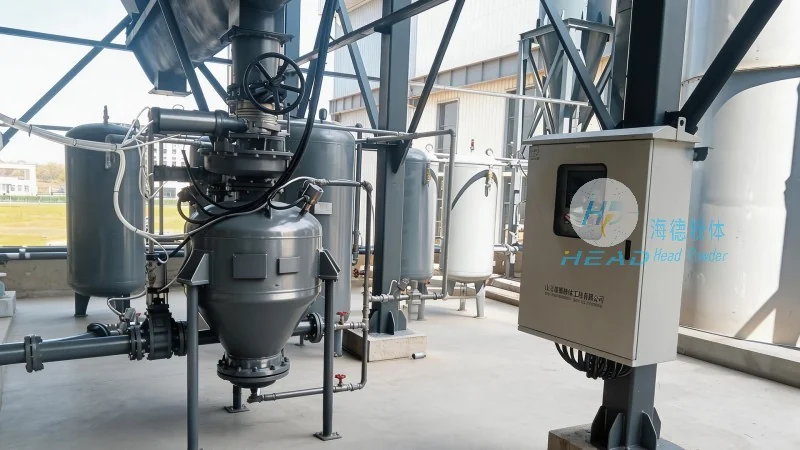
To illustrate the application of these design considerations, consider a case study of a large agricultural facility in China. The facility required a pneumatic conveying system to transport 500 tons of granular fertilizer per day from storage silos to a packaging line over a distance of 200 meters. Shandong HeadPowder Engineering Co., Ltd. designed a positive pressure system with a 200 mm diameter pipeline, incorporating 1:100 slope and minimal bends to reduce pressure loss. The system used stainless steel components to resist corrosion from the fertilizer's moisture content and installed advanced pressure control systems to maintain consistent airflow. After implementation, the system achieved a throughput of 550 tons per day, with energy consumption reduced by 15% compared to traditional methods. This success highlights the importance of careful design and integration in achieving optimal performance for fertilizer pneumatic conveying systems.
Conclusion: Balancing Efficiency and Reliability
Designing a fertilizer pneumatic conveying system involves a delicate balance between efficiency, reliability, and cost. By carefully considering system type, pipeline design, pressure control, material selection, and integration, engineers can create systems that meet the specific needs of agricultural and industrial operations. Shandong HeadPowder Engineering Co., Ltd. specializes in providing tailored solutions that address these considerations, ensuring that fertilizer handling processes are both efficient and sustainable. As the demand for bulk material transport continues to grow, the importance of well-designed pneumatic conveying systems will only increase, making expert design and maintenance more critical than ever.