

Design and Calculation of Quartz Powder Pneumatic Conveying and Equipment Selection
For industrial applications involving the handling of quartz powder, efficient and reliable pneumatic conveying systems are essential. This article provides a comprehensive overview of the design calculations and equipment selection process for quartz powder pneumatic conveying, tailored to meet the specific requirements of industrial operations.
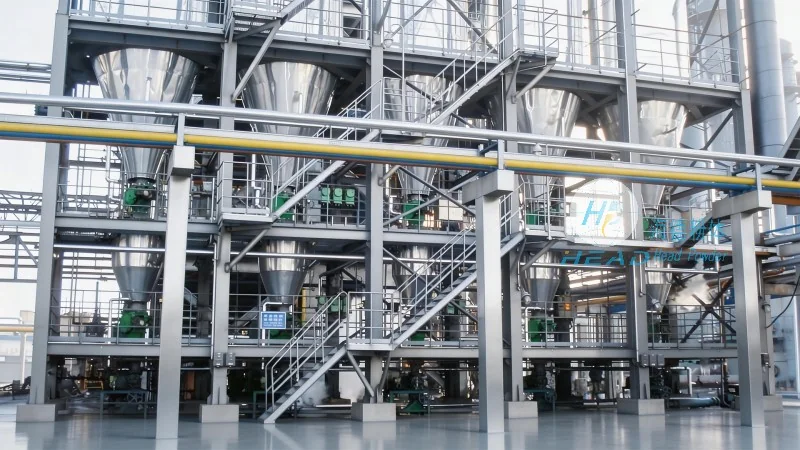
Company Profile: Shandong HeadPowder Engineering Co., Ltd.
HeadPowder, a leading engineering company based in Shandong, China, specializes in the design, manufacturing, and implementation of advanced pneumatic conveying solutions. With years of experience in the field, the company has developed a deep understanding of material handling challenges, particularly for fine powders like quartz. The team at HeadPowder combines technical expertise with practical application knowledge to deliver customized solutions that enhance operational efficiency and reduce costs for clients.
Understanding Quartz Powder Characteristics
Quartz powder, a common industrial material, possesses unique properties that influence the design of pneumatic conveying systems. Key characteristics include particle size distribution, density, moisture content, and flowability. These factors directly impact the selection of air velocity, pressure, and equipment components. For instance, fine quartz powders may require higher air velocities to prevent blockages and ensure smooth transport, while coarser particles might benefit from lower velocities to maintain energy efficiency. The company’s engineers conduct thorough material analysis to determine the optimal conveying parameters for each project.
Design Calculations for Pneumatic Conveying Systems
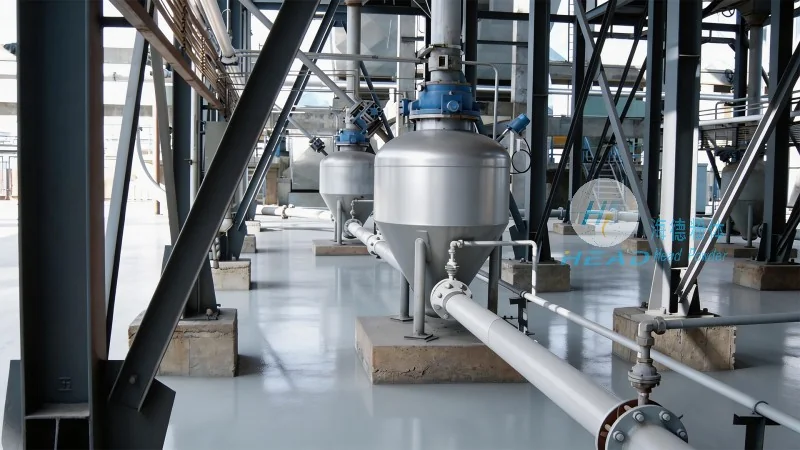
The design of a quartz powder pneumatic conveying system involves several critical calculations to ensure safe and efficient operation. The primary calculations include determining the required air volume, pressure, and power consumption. The air volume is calculated based on the material flow rate and the specific gravity of quartz powder. The pressure drop across the system is estimated by considering the length of the pipeline, fittings, and the number of bends. The power required for the system is derived from the air volume and pressure, ensuring that the blower or compressor is appropriately sized. HeadPowder’s engineers use advanced software and empirical formulas to perform these calculations accurately, taking into account factors such as pipeline diameter, material properties, and system layout.
Equipment Selection for Quartz Powder Conveying
Choosing the right equipment is crucial for the success of a quartz powder pneumatic conveying system. The company evaluates various components, including feeders, pipelines, and separation devices. For quartz powder, which can be abrasive, the selection of materials for pipelines and components is critical. Stainless steel or special alloys are often used to prevent wear and corrosion. The feeders, such as rotary valves or star feeders, are selected based on the flow rate and particle size. The blower or compressor must be capable of delivering the required pressure and volume, with considerations for noise levels and energy efficiency. HeadPowder provides a range of equipment options, from standard to custom-built systems, to meet the diverse needs of clients.
System Integration and Installation
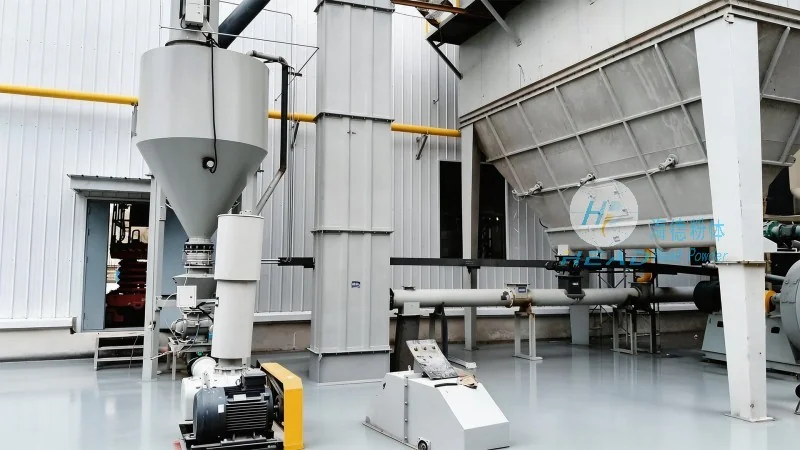
After the design and equipment selection, the integration and installation of the pneumatic conveying system are carried out by experienced technicians. The process involves proper alignment of components, ensuring that the pipeline is free from obstructions and that the air flow is optimized. The company’s team follows strict quality control measures to ensure that the system operates as designed. Regular maintenance and monitoring are also recommended to maintain the system’s performance over time. HeadPowder provides post-installation support, including training for operators and maintenance services, to ensure long-term reliability.
Case Studies and Applications
HeadPowder has successfully implemented quartz powder pneumatic conveying systems in various industries, including ceramics, glass, and pharmaceuticals. For example, in a ceramic manufacturing plant, the company designed a system to transport fine quartz powder from storage silos to production lines. The system reduced material handling time by 30% and improved product quality by minimizing dust exposure. Another application involved a pharmaceutical facility where the system was used to convey quartz powder for coating processes. The system’s low dust generation and precise control of material flow ensured compliance with regulatory standards. These case studies highlight the effectiveness of HeadPowder’s approach to designing and implementing customized pneumatic conveying solutions for quartz powder.