

Design of a Pneumatic Conveying System for Calcium Lime Powder
Efficient and reliable material handling is a critical component in modern industrial operations, especially when dealing with powders like calcium lime powder. This fine, often hygroscopic material presents unique challenges during transportation, including the risk of caking, dust generation, and equipment wear. To address these issues, pneumatic conveying systems offer a sophisticated solution that minimizes contact with mechanical parts, reduces operational downtime, and ensures consistent flow. HeadPowder, a leading engineering firm based in Shandong, China, specializes in designing and implementing such systems tailored to the specific needs of clients in various industries.
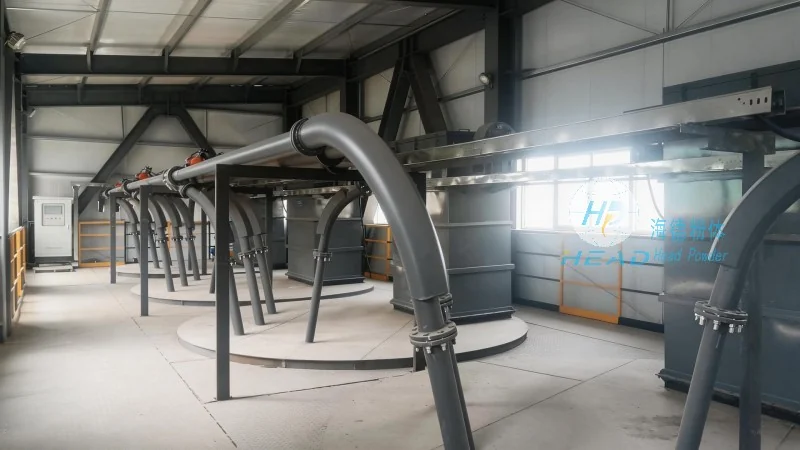
Key Considerations in System Design
When designing a pneumatic conveying system for calcium lime powder, several factors must be carefully evaluated to ensure optimal performance. The first step is a thorough analysis of the material's physical properties. Calcium lime powder typically has a density ranging from 0.8 to 1.2 g/cm³, with a particle size distribution that may vary from fine powders to coarse granules. Its hygroscopic nature means it can absorb moisture from the air, leading to clumping and reduced flowability. These characteristics directly influence the choice of equipment and system configuration.
Another critical factor is the required conveying distance and elevation. Systems can be categorized as low-pressure (under 0.5 bar) or high-pressure (up to 2 bar), each with distinct advantages. Low-pressure systems are suitable for short distances and gentle material handling, while high-pressure systems are ideal for longer distances or when handling abrasive or sticky powders. The selection of the pressure level also impacts the power consumption and the size of the air compressor or fan required.
System Components and Equipment Selection
The pneumatic conveying system for calcium lime powder consists of several interconnected components, each playing a vital role in the overall operation. The primary components include the material feed system, the conveying pipeline, the air supply unit, the separation and filtration system, and the discharge unit.
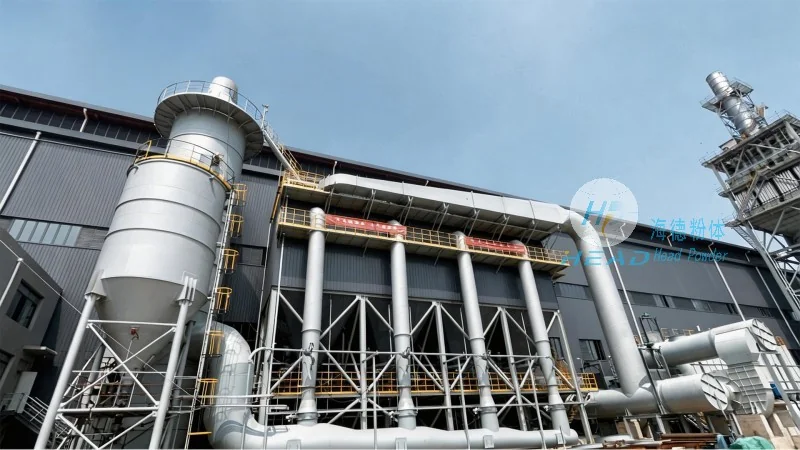
1. **Material Feed System**: The feed system is responsible for introducing the calcium lime powder into the conveying line. For this application, a star-type feeder or a screw feeder is commonly used. These devices ensure a uniform and controlled feed rate, preventing surges or blockages that could disrupt the system. The feeder is typically equipped with a hopper that allows for bulk storage and a valve mechanism to regulate the flow.
2. **Conveying Pipeline**: The pipeline is the backbone of the system, transporting the powder and air mixture. The choice of material for the pipeline is crucial. Stainless steel is preferred for its corrosion resistance and durability, especially when the powder may contain acidic or alkaline components. Alternatively, plastic or coated steel pipes can be used for less aggressive applications. The pipeline diameter is determined based on the required flow rate and the pressure drop across the system.
3. **Air Supply Unit**: The air supply unit, usually a centrifugal fan or a positive displacement blower, generates the necessary airflow to move the powder. The fan's capacity must be sufficient to overcome the resistance in the pipeline and to maintain the required velocity for the powder particles. The system may also include a filter to remove any debris from the air before it enters the fan, ensuring longevity and consistent performance.
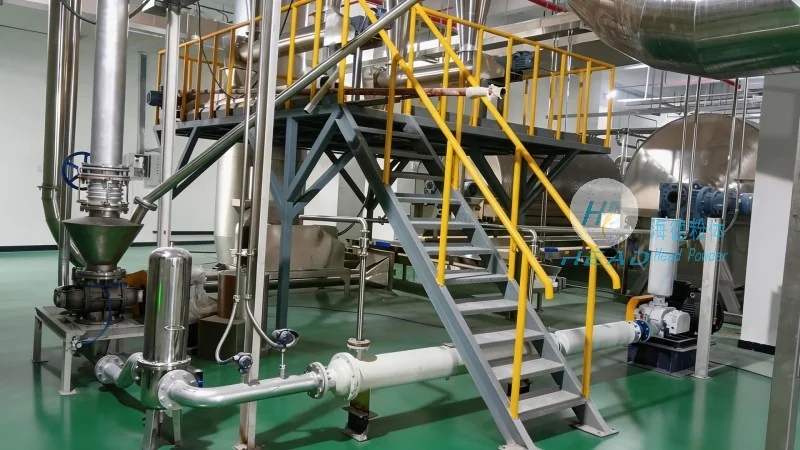
4. **Separation and Filtration System**: At the end of the conveying line, a separator is used to separate the powder from the air. This is typically achieved through a cyclone separator, which uses centrifugal force to direct the heavier powder particles to the discharge port while allowing the air to exit through a vent. For applications requiring higher efficiency, a multi-cyclone or a baghouse filter may be employed to capture fine dust particles, ensuring compliance with environmental regulations and maintaining air quality.
5. **Discharge Unit**: The discharge unit collects the conveyed calcium lime powder and directs it to the final destination, such as a storage silo or a processing unit. This component may include a receiving hopper with a discharge valve or a rotary valve to control the flow of the material.
Design Process and Customization
HeadPowder follows a systematic design process to develop a pneumatic conveying system that meets the specific requirements of each client. The process begins with a detailed consultation to understand the client's production scale, the characteristics of the calcium lime powder, and the operational constraints. Engineers then conduct a feasibility study, including calculations for material flow rates, pressure drops, and energy consumption.
Based on the analysis, a preliminary system design is created, which includes 3D models and simulations to visualize the flow and identify potential bottlenecks. The design is then refined based on client feedback and testing. HeadPowder's team of experts ensures that all safety standards are met, including explosion-proof designs for systems handling potentially flammable powders and dust control measures to prevent fire hazards.
Benefits and Applications
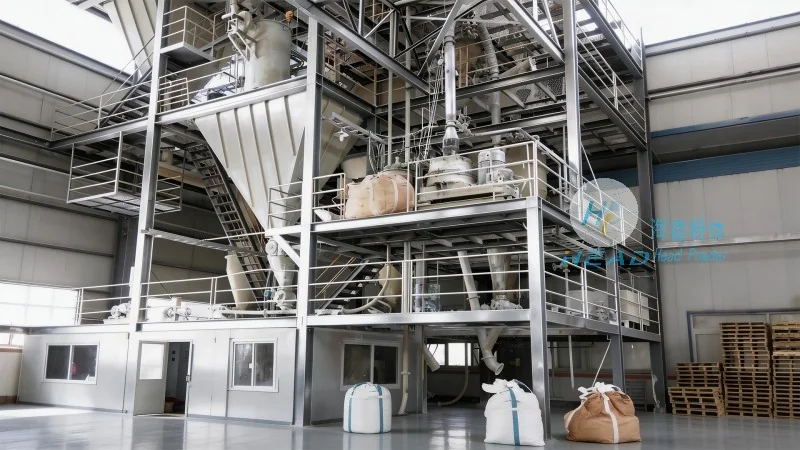
The pneumatic conveying system for calcium lime powder offers numerous benefits that enhance operational efficiency and product quality. By eliminating mechanical contact, the system reduces wear and tear on equipment, leading to lower maintenance costs and longer equipment life. The enclosed pipeline design minimizes dust exposure, improving workplace safety and reducing the risk of product contamination. Additionally, the system's ability to handle hygroscopic materials without caking ensures consistent material properties, which is critical for downstream processes such as mixing, coating, or packaging.
These systems are widely used in various industries, including chemical manufacturing, food processing, and mining. In the chemical industry, calcium lime powder is often used as a filler or a neutralizing agent, and the pneumatic conveying system ensures that it is delivered to reactors or storage tanks without loss or degradation. In the food industry, the system's hygienic design prevents cross-contamination and maintains the purity of the powder, which is essential for food safety regulations.
Conclusion
Designing a pneumatic conveying system for calcium lime powder requires a deep understanding of both the material's properties and the principles of pneumatic transport. HeadPowder, with its expertise and commitment to quality, provides comprehensive solutions that address the unique challenges of handling this material. By carefully selecting and integrating the appropriate components, the system can achieve high efficiency, reliability, and safety, ultimately contributing to the client's overall operational success. For industries relying on calcium lime powder, investing in a well-designed pneumatic conveying system is a strategic decision that enhances productivity, reduces costs, and ensures long-term operational stability.