

Design of a Gypsum Pneumatic Conveying System
For industries dealing with gypsum, the efficient and reliable transportation of this material is crucial. A well-designed pneumatic conveying system can significantly enhance production efficiency, reduce operational costs, and improve overall safety. This article introduces the design principles and key considerations for a gypsum pneumatic conveying system, presented by Shandong HeadPowder Engineering Co., Ltd., a leading provider in the field.
Introduction to Gypsum Pneumatic Conveying Systems
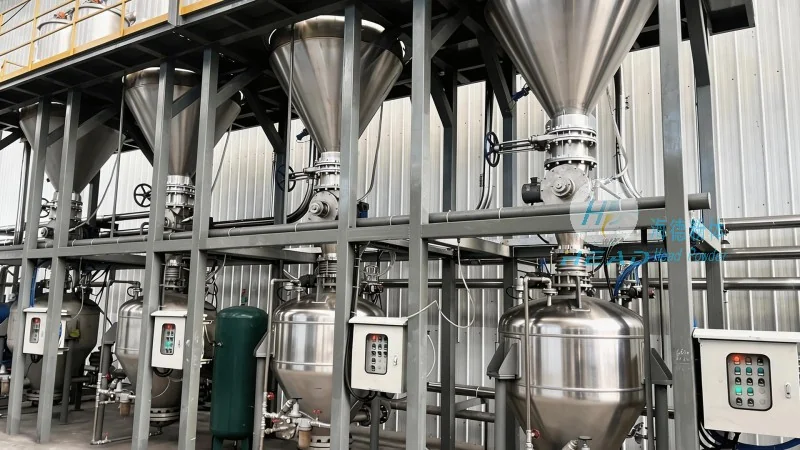
Gypsum, a widely used industrial material, requires specialized handling due to its unique properties. Pneumatic conveying systems offer a flexible and effective solution for transporting gypsum from storage to processing or packaging areas. These systems utilize air pressure to move material through pipelines, eliminating the need for mechanical components like belts or buckets in many cases. The design of such a system must account for factors like material characteristics, system capacity, and operational environment to ensure optimal performance.
Key Components of a Gypsum Pneumatic Conveying System
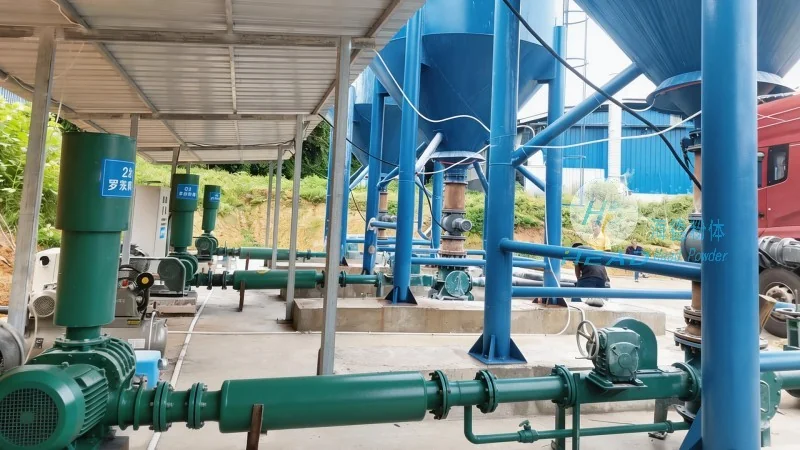
The core components of a gypsum pneumatic conveying system include the material feeder, air compressor, conveying pipeline, and material separator. The material feeder is responsible for introducing gypsum into the system at a controlled rate, ensuring consistent flow. The air compressor provides the necessary pressure to move the material through the pipeline. The conveying pipeline is typically made of materials resistant to gypsum's corrosive properties, such as stainless steel or specialized coatings. The material separator, often located at the end of the pipeline, separates the gypsum from the air, allowing for the material to be collected and the air to be filtered or recycled.
Design Considerations for System Efficiency
Several factors must be considered to ensure the efficiency and longevity of a gypsum pneumatic conveying system. First, the system's capacity must match the production requirements of the facility. This involves calculating the required air volume and pressure based on the bulk density and flow rate of the gypsum. Second, the pipeline layout and diameter are critical. Properly sized pipelines minimize pressure drop and prevent material buildup or blockages. Third, the choice of air compressor and its capacity directly impacts system performance. A well-matched compressor ensures stable operation and reduces energy consumption. Additionally, incorporating features like air filtration and moisture control can extend the system's lifespan and maintain material quality.
Material Handling Challenges and Solutions
Gypsum presents unique challenges in material handling, such as its tendency to clump or stick to surfaces. To address these issues, the design incorporates features like vibration feeders or rotary valves to ensure consistent material flow. The use of appropriate pipeline materials and internal coatings helps prevent material adhesion and corrosion. Regular maintenance, including cleaning and inspection of components, is also essential to prevent system downtime and ensure long-term reliability.
Case Study: A Successful Gypsum Pneumatic Conveying Implementation
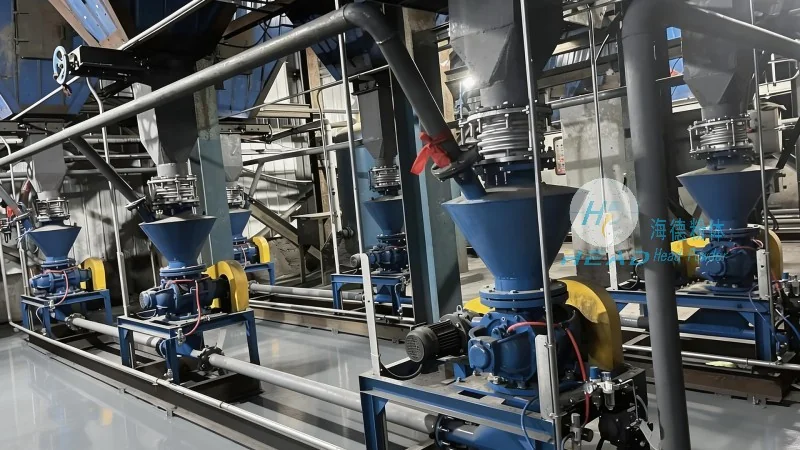
Shandong HeadPowder Engineering Co., Ltd. has successfully implemented numerous gypsum pneumatic conveying systems across various industries. One notable project involved a large gypsum processing plant in China, where the company designed a system capable of handling up to 50 tons per hour. The system utilized a combination of positive and negative pressure conveying to transport gypsum from storage silos to the processing line. The design included advanced material separators and air filtration systems, ensuring minimal material loss and clean air discharge. The client reported significant improvements in production efficiency and reduced labor costs after the system was installed.
Conclusion and Future Trends
Designing an effective gypsum pneumatic conveying system requires a comprehensive understanding of material properties, system dynamics, and operational requirements. By carefully considering each component and its interaction, engineers can create a system that meets the specific needs of the industry. As technology advances, future systems may incorporate automation and smart monitoring to further enhance efficiency and reliability. Shandong HeadPowder Engineering Co., Ltd. remains committed to providing innovative solutions for gypsum handling, ensuring that clients achieve optimal performance and cost savings.