

Case Study of Dense Phase Pneumatic Conveying Project for Blast Furnace Slag Powder in a Steel Enterprise in Anyang, Henan
This article presents a comprehensive case study of a dense phase pneumatic conveying project implemented for blast furnace slag powder at a major iron and steel production facility located in Anyang, Henan Province, China. The project was engineered and executed by Shandong Headpowder Engineering Co., Ltd., a professional provider of bulk material handling solutions based in Shandong, China. The system is specifically designed for the reliable, energy-efficient, and dust-free transport of high-density fine powders, including blast furnace slag powder and other steel by-products. This case demonstrates the advanced capabilities of HEADPOWDER in delivering turnkey dense phase pneumatic conveying solutions for the metallurgical industry.
Project Background and Customer Requirements
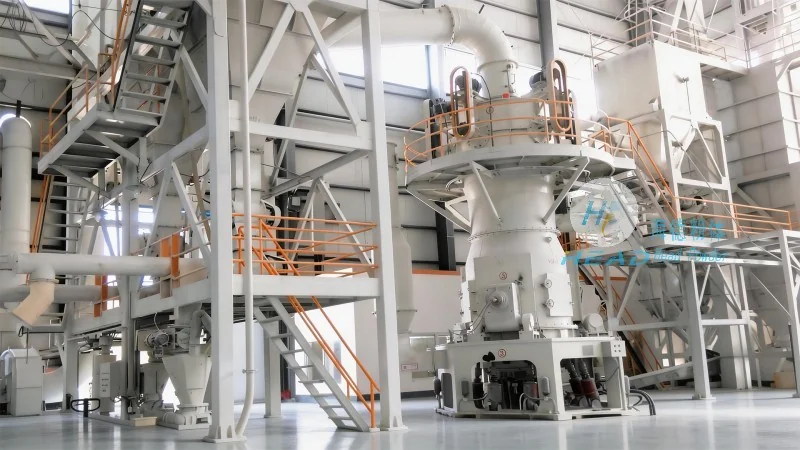
The client, a large-scale steelmaking enterprise in Anyang, Henan, required a robust conveying system to transport blast furnace slag powder from the grinding station to multiple storage silos and loading points. The existing mechanical conveying methods suffered from high maintenance costs, significant dust emissions, and limitations in routing flexibility. The primary objective was to implement a fully enclosed, low-velocity, high-concentration conveying system that could handle the abrasive and hygroscopic nature of blast furnace slag powder while maintaining stable throughput over long distances. Additionally, the system needed to accommodate the conveying of various steel by-products, including granulated slag fines and pulverized fly ash, as part of the plant's comprehensive waste utilization strategy. The project demanded a solution that minimized energy consumption, reduced wear on pipelines, and ensured compliance with stringent environmental regulations.
Core Technology: Dense Phase Pneumatic Conveying for Blast Furnace Slag Powder
After a thorough evaluation of the material characteristics, the engineering team at Shandong Headpowder Engineering Co., Ltd. selected a dense phase pneumatic conveying system as the optimal solution. Dense phase conveying operates at a high solids-to-air ratio, typically exceeding 30:1 by weight, which significantly reduces the required air velocity compared to dilute phase systems. This low-velocity approach is critical when handling blast furnace slag powder, as it minimizes pipeline abrasion, reduces particle degradation, and prevents the formation of excessive dust. The system employs a combination of pressure vessels, fluidizing cones, and automated control valves to achieve a stable, plug-like flow of material through the conveying pipeline. The key advantage of this technology for steel by-product conveying is its ability to handle fine, abrasive powders with a particle size distribution ranging from 0 to 100 microns, without clogging or segregation. The dense phase design also allows for longer conveying distances, sometimes exceeding 500 meters, and multiple discharge points, making it ideal for the complex layout of the Anyang steel plant.
System Design and Key Components
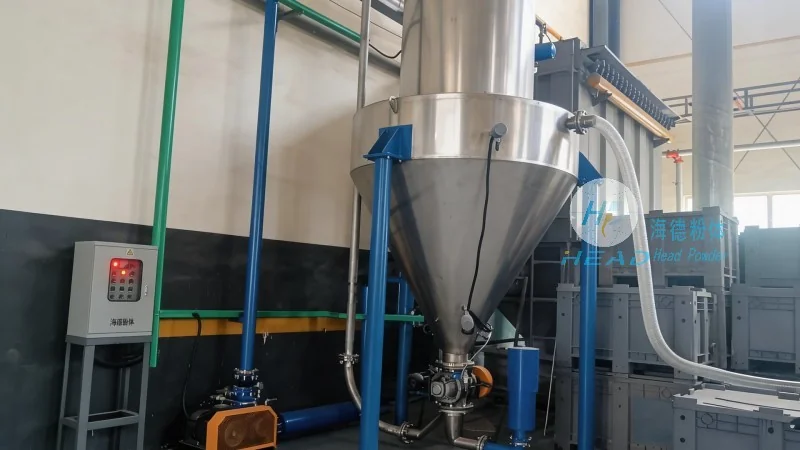
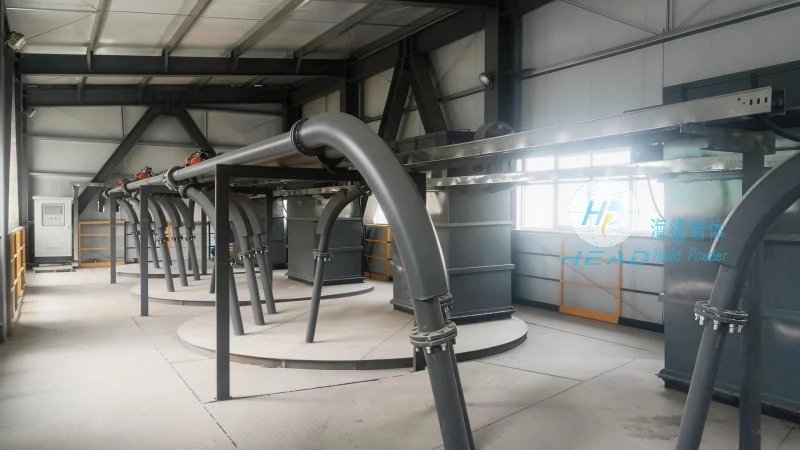
The conveying system comprises several key components engineered to meet the specific demands of the project. A series of pressure vessels, each with a capacity of 10 cubic meters, are installed at the material inlet to receive the blast furnace slag powder from the grinding mill. These vessels are equipped with aeration pads and fluidizing chambers to ensure complete discharge and prevent bridging. The conveying pipeline is constructed from high-chromium alloy steel with a thickness of 8 mm, specifically chosen to withstand the abrasive wear caused by the sharp edges of slag particles. The system includes a proprietary air injection manifold that introduces compressed air at strategic intervals along the pipeline, maintaining the dense phase flow regime and preventing blockages. At the receiving end, a combination of cyclone separators and bag filters ensures that the conveyed material is separated from the conveying air with near-zero emissions. The entire system is controlled by a programmable logic controller (PLC) with a human-machine interface (HMI) that allows operators to monitor flow rates, pressure drops, and air consumption in real time. The design also incorporates a nitrogen purge system for safety, as blast furnace slag powder can contain residual combustible gases.
Performance and Operational Benefits
Since the commissioning of the dense phase pneumatic conveying system, the Anyang steel plant has achieved remarkable improvements in operational efficiency and environmental compliance. The system delivers a consistent conveying capacity of 60 tons per hour for blast furnace slag powder over a distance of 350 meters, with a total pressure drop of only 0.6 bar. The low air velocity, typically between 8 and 12 meters per second, has extended the service life of the pipeline to over 18 months, compared to only 6 months for the previous dilute phase system. The enclosed nature of the conveying process has eliminated visible dust emissions, helping the plant meet the strict local air quality standards. Furthermore, the ability to handle multiple steel by-products, including ground granulated blast furnace slag (GGBS) and steel slag powder, has enabled the plant to diversify its product portfolio and increase the utilization rate of industrial wastes. The energy consumption of the dense phase system is approximately 2.5 kWh per ton of material conveyed, which is 30% lower than the traditional screw conveyor and bucket elevator combination previously used. The automated control system has reduced the need for manual intervention, and the maintenance frequency has decreased by 40% due to the reduced wear on components.
Case Study: Conveying Steel By-Products in a Dense Phase Environment
One of the notable aspects of this project is the successful handling of challenging steel by-products, such as wet granulated slag and mixed dust from the baghouse. The dense phase pneumatic conveying technology developed by HEADPOWDER incorporates a unique blow tank design that allows for the gentle handling of materials with high moisture content, up to 5% by weight. During the trial runs, the system demonstrated excellent performance in conveying a mixture of blast furnace slag powder and fine iron oxide particles, which are notoriously difficult to transport due to their tendency to agglomerate. The system's ability to maintain a consistent plug flow, even when the material composition varies, has been a key factor in the plant's decision to expand the system to cover additional feeding points. The successful implementation of this dense phase conveying case study for steel by-products has also attracted interest from other iron and steel enterprises in the region, establishing Shandong Headpowder Engineering Co., Ltd. as a trusted partner in the field of pneumatic conveying for heavy industries.
Conclusion and Future Outlook
The dense phase pneumatic conveying project for blast furnace slag powder at the Anyang iron and steel enterprise stands as a benchmark for efficient, environmentally friendly, and cost-effective bulk material handling in the metallurgical sector. By leveraging the advanced engineering expertise of Shandong Headpowder Engineering Co., Ltd. (referred to as HEADPOWDER), the plant has transformed its material transport operations, achieving significant reductions in energy consumption, maintenance costs, and environmental impact. This case study clearly illustrates the advantages of dense phase conveying technology for blast furnace slag powder and other steel by-products, offering a reliable solution for plants seeking to modernize their processes. For further information or to discuss similar project requirements, please contact Mr. Zhang, the project manager, via WeChat at 15662777102. The engineering team at HEADPOWDER is ready to provide detailed technical consultations and customized system designs for any dense phase pneumatic conveying application. The company's headquarters are located in Shandong, China, and they serve clients globally with a focus on delivering high-performance, long-lasting conveying solutions.