

Project Case of Bulk Cement Negative Pressure Pneumatic Conveying for a Building Materials Enterprise in Jiaxing, Zhejiang
This case study examines a bulk cement negative pressure pneumatic conveying project implemented for a building materials enterprise located in Jiaxing, Zhejiang Province. The project was designed and executed by Shandong Headpowder Engineering Co., Ltd., a specialized engineering firm headquartered in Shandong, China. The primary objective of this initiative was to optimize the unloading, storage, and transfer of bulk cement using advanced negative pressure conveying technology, thereby enhancing operational efficiency and reducing material waste.
Project Background and Client Requirements
The client, a well-established building materials manufacturer in the Jiaxing area, faced significant challenges with their existing bulk cement handling process. Traditional mechanical conveying methods, such as screw conveyors and belt elevators, led to frequent dust emissions, high maintenance costs, and material degradation. The enterprise required a reliable, enclosed, and low-maintenance solution that could handle bulk cement from delivery trucks to storage silos with minimal dust generation. After evaluating multiple technologies, the client selected a negative pressure pneumatic conveying system, also known as a vacuum conveying system, to meet their specific needs. The project scope included the design, supply, installation, and commissioning of a complete negative pressure unloading and conveying system for bulk cement.
Core Product: Bulk Cement Negative Pressure Pneumatic Conveying System
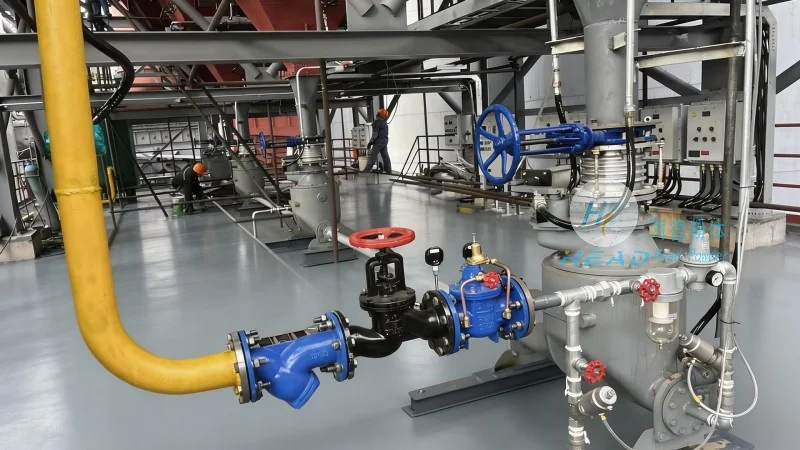
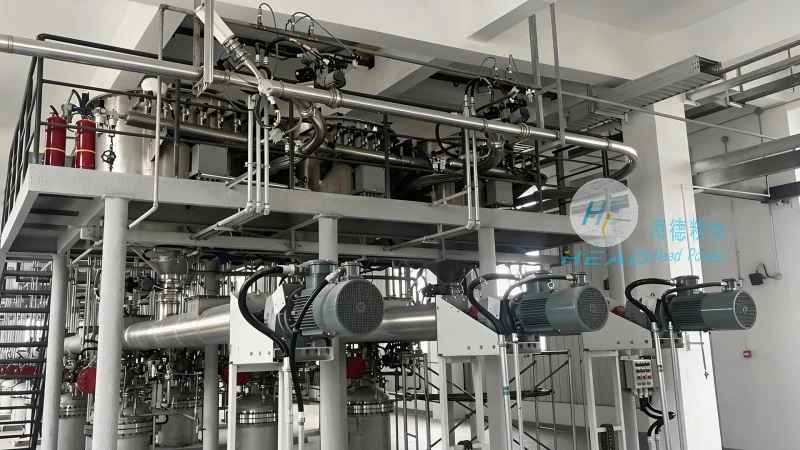
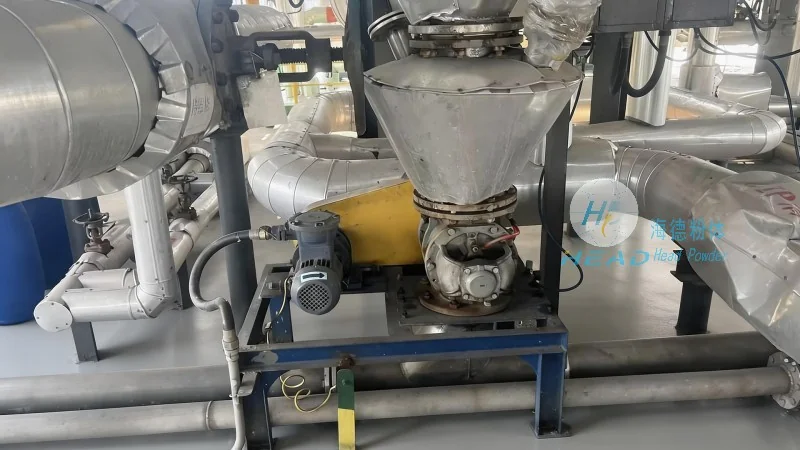
The heart of this project is the bulk cement negative pressure pneumatic conveying system. This technology utilizes a vacuum source to create a pressure differential that draws bulk cement particles through a sealed pipeline from the unloading point to the receiving silo. Unlike positive pressure systems, the negative pressure (vacuum) approach ensures that any leakage is inward, preventing dust escape into the environment. The system comprises a vacuum pump or blower, a filter receiver, rotary airlocks, pipeline components, and automated control units. In this specific case, the client's existing truck unloading pit was retrofitted with a negative pressure suction nozzle that connects directly to the pipeline. The bulk cement is then conveyed through a series of pipes with bends and directional changes, finally reaching the filter receiver where the cement is separated from the conveying air. The clean air is discharged after passing through a high-efficiency filter, while the cement is discharged via a rotary airlock into the storage silo. This equipment is particularly suitable for applications where dust control and product quality are paramount, such as in cement terminals, ready-mix concrete plants, and building material factories.
Project Implementation Details
The implementation of this negative pressure conveying system for bulk cement involved several key stages. First, the engineering team from Shandong Headpowder Engineering Co., Ltd. conducted a site survey at the Jiaxing facility to assess the existing layout, truck access, and silo configuration. Based on the collected data, they designed a customized negative pressure unloading system with a conveying capacity of 60 tons per hour over a horizontal distance of 80 meters and a vertical lift of 25 meters. The pipeline diameter was selected as 150 mm to balance conveying velocity and air consumption. The vacuum source was provided by a water-ring vacuum pump rated at 55 kW, delivering a vacuum level of -0.06 MPa. The filter receiver was equipped with pulse-jet cleaning to maintain consistent filtration efficiency. During installation, careful attention was paid to pipe routing to minimize pressure drop and avoid sharp bends that could cause material accumulation. The system was integrated with the client's existing control network, allowing for automatic start-up, shutdown, and monitoring. The total installation period was three weeks, followed by a one-week commissioning phase that included performance testing and operator training.
Operational Benefits and Performance Outcomes
After the system was put into operation, the building materials enterprise in Jiaxing experienced immediate improvements. The bulk cement negative pressure conveying system eliminated visible dust emissions during truck unloading, which had previously been a major environmental and health concern. The enclosed nature of the pneumatic conveying also prevented moisture ingress, preserving the quality of the cement. Maintenance costs dropped significantly because the system has fewer moving parts compared to mechanical conveyors. The vacuum pump and rotary airlocks are the main components requiring periodic inspection, while the pipeline is essentially maintenance-free. The conveying process is gentle on the cement particles, reducing degradation and fines generation. From an energy consumption perspective, the negative pressure system operated at a specific power consumption of 0.8 kWh per ton of cement conveyed, which was within the expected range. The system's reliability was demonstrated by over 2,000 hours of continuous operation with no unscheduled downtime during the first six months. The client reported that the negative pressure conveying system also improved overall plant safety by reducing the risk of dust explosions and eliminating manual handling of heavy bags.
Comparative Advantages of Negative Pressure Pneumatic Conveying for Bulk Cement
Compared to alternative technologies such as positive pressure pneumatic conveying or mechanical conveying, the negative pressure (vacuum) system offers distinct advantages for bulk cement applications. One key benefit is the ability to handle multiple pickup points from a single vacuum source, which is ideal for unloading trucks from different bays. The system operates at lower conveying velocities, which reduces wear on pipeline components and minimizes product degradation. Additionally, because the system operates under vacuum, any leakage is inward, meaning that dust is contained within the pipeline rather than escaping into the work environment. This is particularly important for cement, which is a fine powder that can cause respiratory issues. The negative pressure system also allows for easier cleaning and product changeover because the pipeline can be purged with air between batches. The Jiaxing project demonstrated that even with a relatively high conveying distance and lift, the system maintained stable performance without plugging or surging. The automation level can be customized to include remote monitoring, which the client utilized to track conveying rates and alarm conditions from a central control room.
Company Profile: Shandong Headpowder Engineering Co., Ltd.
Shandong Headpowder Engineering Co., Ltd., abbreviated as headpowder, is a professional engineering company specializing in the design and manufacture of pneumatic conveying systems, powder handling equipment, and bulk material processing solutions. The company is based in Shandong, China, and has extensive experience in serving clients across various industries, including building materials, food processing, chemicals, and minerals. For this particular project in Jiaxing, Zhejiang Province, the company provided end-to-end services from conceptual design to final commissioning. The project manager for this case was Manager Zhang, who coordinated with the client's engineering team throughout the implementation. The company's technical expertise in negative pressure conveying systems, particularly for bulk cement, was a key factor in the successful delivery of this project. Headpowder's systems are known for their robust construction, energy efficiency, and compliance with international standards for dust control and safety. The company continues to support the Jiaxing facility with spare parts and technical consultation as needed.
Contact Information for Project Inquiry
For any inquiries regarding bulk cement negative pressure pneumatic conveying, cement pneumatic conveying systems, or negative pressure unloading systems, please contact Manager Zhang directly. Manager Zhang is the dedicated project coordinator for headpowder and can provide detailed information on system design, pricing, and installation. You can reach Manager Zhang via WeChat at 15662777102. This contact information is valid for both domestic and international clients seeking reliable solutions for their bulk material handling needs. Whether you require a small-scale system for a single silo or a complex multi-line conveying network, Manager Zhang and the team at Shandong Headpowder Engineering Co., Ltd. are ready to assist with customized engineering support.
Summary and Recommendation
The case of the Jiaxing building materials enterprise clearly illustrates the effectiveness of negative pressure pneumatic conveying technology for bulk cement handling. The system successfully addressed the client's primary concerns regarding dust control, maintenance, and product quality. The use of a vacuum conveying approach proved to be a cost-effective and environmentally friendly alternative to traditional methods. For any company in the cement, concrete, or building materials industry that is evaluating new material handling systems, a negative pressure system should be considered, especially when dust emissions are a critical factor. The experience of Shandong Headpowder Engineering Co., Ltd. in this project demonstrates the company's capability to deliver high-quality, reliable systems. To learn more about how a similar system could benefit your operations, contact Manager Zhang at WeChat 15662777102. He will provide a thorough assessment of your requirements and propose a tailored solution that meets your performance and budget goals.