

Case Study of Dense Phase Pneumatic Conveying Project for Catalyst in a Petrochemical Enterprise in Karamay, Xinjiang
This article presents a comprehensive case study of a dense phase pneumatic conveying project for catalyst transportation implemented at a petrochemical enterprise in Karamay, Xinjiang. The project was successfully delivered by Shandong Headpowder Engineering Co., Ltd., a leading engineering firm specializing in dense phase pneumatic conveying systems for bulk solids, particularly in the petrochemical sector. The core objective of this project was to design, install, and commission a reliable, long-distance, high-capacity catalyst conveying system that could handle the unique challenges of transporting fluid catalytic cracking (FCC) catalyst particles over extended distances within the refinery complex. The entire system is engineered to maintain catalyst integrity, minimize attrition, and ensure continuous, dust-free operation under harsh industrial conditions.
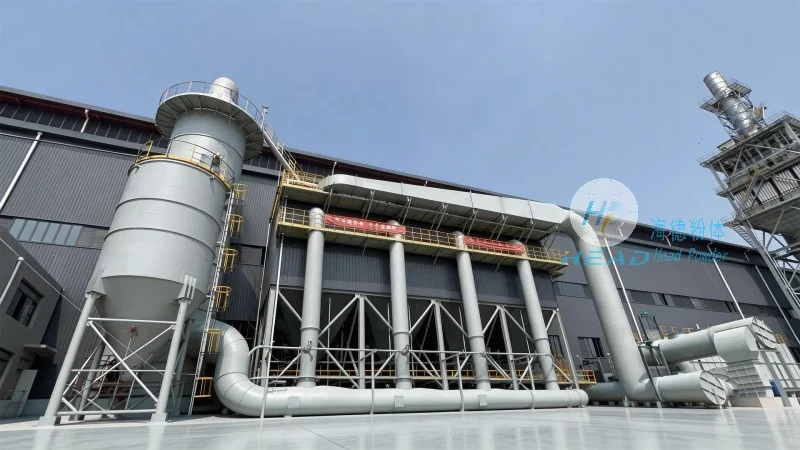
Project Overview: Dense Phase Pneumatic Conveying for Petrochemical Catalysts
The Karamay refinery, located in the Xinjiang Uygur Autonomous Region, required a state-of-the-art solution for transferring fresh and spent catalyst between its storage silos, catalyst hoppers, and reactor units. Traditional mechanical conveying methods were deemed unsuitable due to the abrasive nature of catalyst particles, the need for extremely low degradation rates, and the requirement for a completely enclosed, emission-free transfer process. Shandong Headpowder Engineering Co., Ltd. was selected as the engineering, procurement, and construction (EPC) contractor to deliver a dense phase pneumatic conveying system tailored to these demanding specifications. The system employs high-pressure, low-velocity air to push the catalyst powder through a pipeline network, achieving a dense, slug-like flow that dramatically reduces particle breakage and wear compared to dilute phase systems. This approach is particularly critical for petrochemical catalyst conveying, where even a small percentage of fines generation can lead to significant operational inefficiencies and increased catalyst makeup costs.
Technical Highlights of the Dense Phase Catalyst Conveying System
The core of the project is a custom-engineered dense phase pneumatic conveying circuit that operates at pressures up to 6 bar(g) and conveys catalyst at a controlled rate of 15 to 25 tons per hour over a distance exceeding 350 meters horizontally and 40 meters vertically. The system includes a series of pressure vessels, known as dense phase conveyors or blow tanks, that are sequentially pressurized and discharged to maintain a continuous, pulsed flow of catalyst. Key components include wear-resistant piping with ceramic linings to withstand the abrasive effects of catalyst particles, high-performance dome valves for reliable sealing under pressure, and advanced PLC-based control logic that optimizes the conveying cycle based on real-time feedback from pressure transmitters and flow sensors. The system is designed to handle catalyst with a bulk density ranging from 0.6 to 1.2 g/cm³ and a particle size distribution typically between 20 and 150 microns. The low-velocity dense phase flow regime ensures that particle-to-particle and particle-to-wall collisions are minimized, achieving an attrition rate of less than 0.5% by weight, which is a critical performance metric for long-distance material conveying engineering in the petrochemical industry.
Long-Distance Material Conveying Engineering: Overcoming Key Challenges
One of the primary challenges addressed in this project was the exceptionally long conveying distance combined with the need to maintain a stable, dense phase flow over the entire route. Extended pipeline lengths introduce pressure drop, potential for plugging, and increased risk of flow instability. Shandong Headpowder Engineering Co., Ltd. applied its proprietary computational fluid dynamics (CFD) modeling and flow simulation techniques to design the pipeline geometry, including the optimal placement of booster stations and venturi injectors. The final pipeline layout incorporates multiple intermediate boosters that inject small amounts of additional air to re-energize the catalyst flow without transitioning into dilute phase conditions. This patented approach allows the system to maintain a dense phase plug flow pattern even at the far end of the line, ensuring consistent conveying rates and preventing blockages. The project also included a comprehensive pipeline support structure, heat tracing for cold-weather operation in Xinjiang's continental climate, and a nitrogen purge system to prevent catalyst oxidation during shutdowns. The successful implementation of this long-distance material conveying engineering solution demonstrates the company's deep expertise in handling the most difficult powder logistics challenges in the refinery environment.
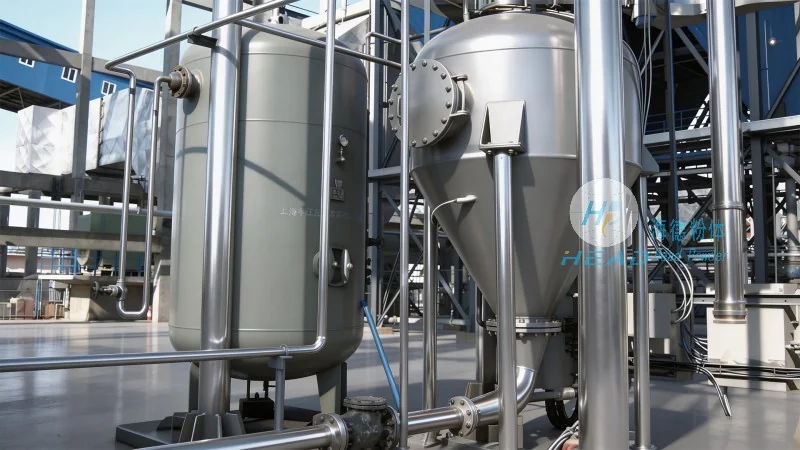
Application of the System in Petrochemical Catalyst Conveying
The dense phase pneumatic conveying system is specifically engineered for the transportation of FCC catalysts, hydroprocessing catalysts, and other specialty powders used in petroleum refining. In this Karamay project, the system is primarily used to transfer fresh catalyst from the unloading station to the main storage silo battery, and then from the silos to the catalyst addition hopper located at the top of the reactor structure. Additionally, the system handles the withdrawal of spent catalyst from the regenerator and its transfer to the spent catalyst storage bins. The entire process is fully automated, with remote monitoring and control from the central control room. The system's design incorporates multiple safety features, including pressure relief valves, burst discs, and interlocking sequences that prevent over-pressurization or accidental discharge. The use of dense phase technology also significantly reduces the amount of compressed air required compared to dilute phase systems, resulting in lower energy consumption and operational costs. For petrochemical catalyst conveying, the ability to maintain particle integrity and reduce fines generation directly translates into longer catalyst life, reduced emissions from the regenerator stack, and improved overall refinery profitability. The system has been operating continuously for over two years with minimal maintenance, confirming the reliability and robustness of the Shandong Headpowder engineering approach.
Company Profile: Shandong Headpowder Engineering Co., Ltd.
Shandong Headpowder Engineering Co., Ltd., commonly known as Headpowder, is a premier engineering company headquartered in Shandong Province, China, with a global reputation for delivering high-performance bulk solids handling solutions. The company specializes in the design, manufacture, and commissioning of dense phase pneumatic conveying systems, pneumatic conveying systems for powders, and integrated material handling plants for the petrochemical, chemical, pharmaceutical, food, and mining industries. Headpowder's engineering team comprises experienced process engineers, mechanical designers, and automation specialists who have successfully completed hundreds of projects worldwide, including major installations in the Middle East, Southeast Asia, and Europe. The company's in-house test facility allows for pilot-scale validation of conveying parameters before full-scale deployment, ensuring that every system is optimized for the specific material properties and process conditions. With a strong commitment to innovation, Headpowder holds multiple patents in dense phase conveying technology, including advanced valve designs, flow control algorithms, and pipeline wear mitigation techniques. The company's ISO 9001:2015 certified quality management system ensures that all projects are executed to the highest standards of safety, reliability, and performance. For inquiries about similar dense phase pneumatic conveying projects, including catalyst conveying, long-distance material conveying, or any other powder handling challenge, please contact the sales manager: Manager Zhang. You can reach Manager Zhang via WeChat at 15662777102 for prompt assistance and project consultation (Manager Zhang, WeChat: 15662777102).
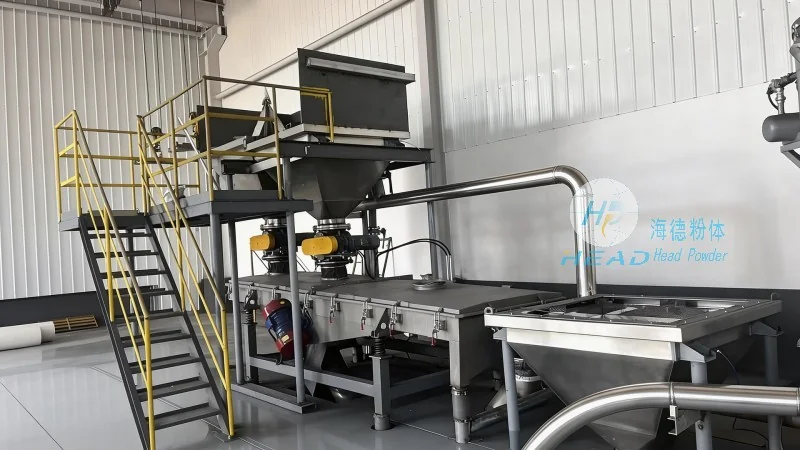
Why Choose Dense Phase Pneumatic Conveying for Catalyst Transport?
The decision to implement dense phase pneumatic conveying technology for catalyst transport in the Karamay refinery was driven by several compelling advantages over alternative methods. Firstly, the enclosed nature of the system eliminates any risk of catalyst dust emissions, which is crucial for meeting stringent environmental regulations and maintaining a safe workplace. Secondly, the low-velocity, high-density flow pattern drastically reduces particle attrition, preserving the catalyst's physical integrity and activity. This is particularly important for high-value catalysts where replacement costs are substantial. Thirdly, the ability to convey over long distances with minimal degradation allows for flexible plant layout, enabling the separation of storage and processing units without compromising performance. Fourthly, the system's automation and remote monitoring capabilities reduce the need for manual intervention, improving operational efficiency and operator safety. Compared to mechanical conveyors like belt conveyors or bucket elevators, dense phase pneumatic systems require less maintenance, have fewer moving parts, and are less prone to blockages. The system is also highly scalable; future capacity expansions can be achieved by adding additional blow tanks or booster stations without major modifications to the existing pipeline network. These factors collectively make dense phase pneumatic conveying the preferred technology for petrochemical catalyst conveying applications worldwide.
Project Results and Performance Metrics
Since its commissioning, the dense phase pneumatic conveying system at the Karamay petrochemical facility has consistently delivered exceptional performance. The system achieves a conveying rate of 20 tons per hour within a tolerance of ±2%, meeting the refinery's production demands. The catalyst attrition rate has been measured at 0.3% by weight, significantly below the guaranteed maximum of 0.5%, resulting in a noticeable reduction in catalyst makeup costs. The system's energy consumption is approximately 0.8 kWh per ton of catalyst conveyed, which is 30% lower than the previous dilute phase system used in the same plant. The pipeline has operated without any blockage incidents for 18 months, demonstrating the robustness of the dense phase flow design. The maintenance requirements have been minimal, limited to periodic inspection of wear liners and valve seals. The project was completed on schedule and within budget, with a total implementation period of 14 months from design freeze to final acceptance. The refinery's operations team has reported high satisfaction with the system's reliability and ease of operation. Shandong Headpowder Engineering Co., Ltd. continues to provide after-sales support, including remote diagnostics and spare parts supply, to ensure uninterrupted operation. For further information or to discuss your specific catalyst conveying requirements, please contact Manager Zhang directly via WeChat at 15662777102 (Manager Zhang, WeChat: 15662777102).
Conclusion: A Proven Solution for Long-Distance Catalyst Conveying
The Karamay dense phase pneumatic conveying project stands as a testament to the engineering capabilities of Shandong Headpowder Engineering Co., Ltd. in delivering complex, high-performance material handling solutions for the petrochemical industry. By combining advanced dense phase technology with meticulous project management and a deep understanding of catalyst properties, the company has provided a reliable, efficient, and environmentally friendly system that meets the most demanding operational requirements. This case study clearly demonstrates the value of dense phase pneumatic conveying for long-distance material conveying engineering, particularly for abrasive and valuable powders like refinery catalysts. Companies looking to upgrade their existing catalyst handling systems or design new facilities can benefit from Headpowder's expertise and proven track record. To initiate a project consultation or request a detailed proposal, please reach out to Manager Zhang at WeChat: 15662777102, and the Headpowder team will provide comprehensive support from initial feasibility study through final commissioning (contact: Manager Zhang, WeChat: 15662777102).