

Introduction to the Structure and Working Principle of Flour Pneumatic Conveying Equipment
Flour pneumatic conveying equipment is a critical piece of machinery in the flour processing industry, designed to efficiently transport flour and other fine powders from one location to another. This equipment is essential for maintaining the quality and integrity of the product while ensuring a smooth and continuous production process. The following introduction will provide a detailed overview of the structure, components, and operational principles of such systems.
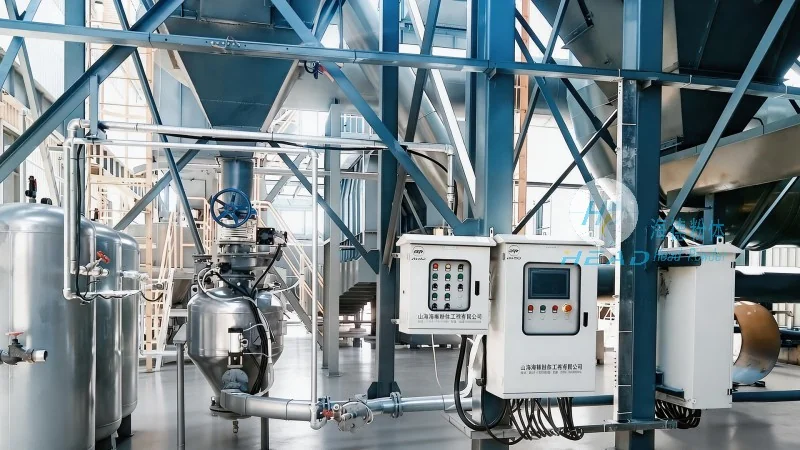
Overview of the Flour Pneumatic Conveying System
Flour pneumatic conveying systems are engineered to handle the delicate nature of flour, preventing contamination and degradation during transport. These systems are widely used in flour mills, bakeries, and food processing facilities due to their ability to maintain product purity and minimize dust generation. The core of the system is the pneumatic conveyor, which uses air pressure to move material through a pipeline network. This method is preferred over traditional mechanical conveyors for its hygienic design and reduced risk of product cross-contamination.

Key Components and Structural Design
The structure of a typical flour pneumatic conveying system includes several key components that work in tandem to ensure efficient operation. The main components are the hopper, which holds the flour; the air compressor or blower, which provides the necessary air pressure; the pipeline system, which transports the material; and the discharge unit, which releases the flour at the destination. Each component is designed with food-grade materials to meet industry standards and ensure safety and hygiene. The hopper is often equipped with a sealing mechanism to prevent air leakage and maintain consistent pressure. The air compressor is typically a positive displacement type, capable of delivering the required pressure and airflow to move the flour through the system. The pipeline is usually made of stainless steel or other corrosion-resistant materials to withstand the abrasive nature of flour and prevent clogging. The discharge unit may include a filter or separator to remove any residual air or particles before the flour is released.
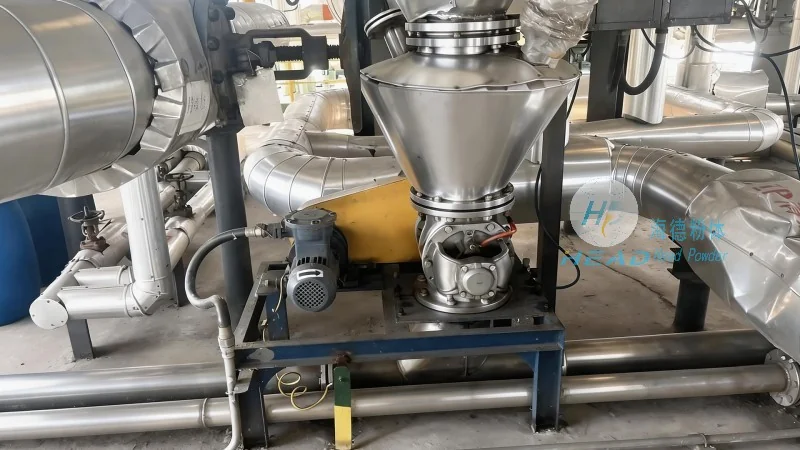
Working Principle of the Equipment
The working principle of flour pneumatic conveying equipment is based on the principle of fluidization and air movement. The process begins with the flour being fed into the hopper. The air compressor then generates a high-pressure air stream, which is introduced into the pipeline. As the air flows through the pipeline, it creates a low-pressure zone that draws the flour from the hopper into the air stream. The flour particles are then carried along with the air through the pipeline to the discharge point. The velocity of the air is carefully controlled to ensure that the flour particles are fully suspended and transported without settling or clogging the pipeline. The system may also include a venturi or other air-velocity control devices to optimize the conveying efficiency and prevent excessive pressure drops.
Application Scenarios and Benefits
Flour pneumatic conveying systems are used in a variety of applications within the food processing industry. They are commonly employed in flour mills to transport raw flour from storage silos to processing lines, as well as in bakeries to move flour from production areas to packaging or storage facilities. The benefits of using pneumatic conveying systems for flour transport include improved product quality, reduced labor costs, and enhanced operational efficiency. By maintaining a closed system, the equipment minimizes dust exposure and prevents cross-contamination between different batches of flour. This is particularly important in food processing where hygiene and product safety are paramount. Additionally, the system can be easily integrated with other processing equipment, allowing for a seamless flow of materials throughout the production line.
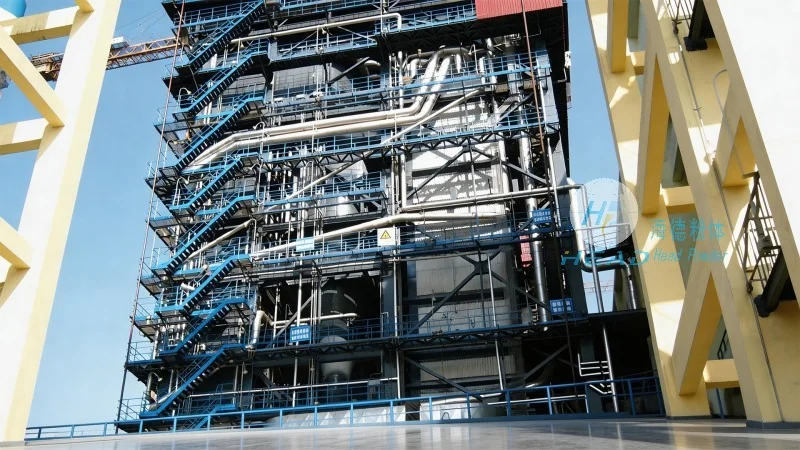
Maintenance and Operational Considerations
Proper maintenance is crucial to ensure the long-term performance and reliability of flour pneumatic conveying equipment. Regular cleaning of the hopper, pipeline, and discharge unit is necessary to prevent the buildup of flour residue, which can lead to clogging or reduced efficiency. The air compressor and other moving parts should be inspected regularly for wear and tear, and lubricated as needed to prevent mechanical failure. The system should also be checked for air leaks, as even small leaks can significantly reduce the conveying efficiency and increase energy consumption. Proper training of operators is essential to ensure that the equipment is operated correctly and safely. Operators should be familiar with the system's controls and emergency procedures to minimize the risk of accidents or equipment damage.