

Introduction to Polyethylene Resin Powder Pneumatic Conveying Systems and Their Structural Principle
Polyethylene resin powder pneumatic conveying systems are advanced industrial equipment designed to efficiently transport polyethylene resin powders in a controlled and reliable manner. These systems are widely used in various industries, including plastics manufacturing, chemical processing, and material handling, due to their ability to handle fine powders with minimal dust generation and high operational efficiency. The core function of such systems is to move polyethylene resin powder from a storage or processing location to a processing unit or storage area using a pressurized air or gas stream. This method offers significant advantages over traditional mechanical conveying methods, such as reduced material degradation, lower maintenance requirements, and improved safety by minimizing dust exposure.
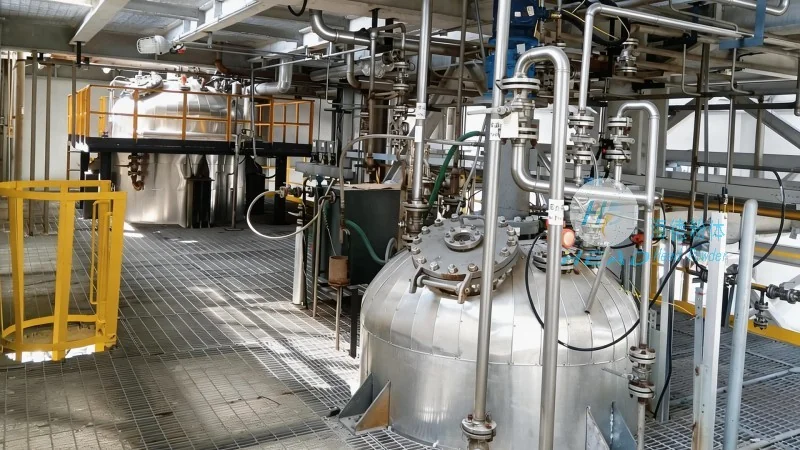
Structural Principles of Pneumatic Conveying Systems
The structural design of polyethylene resin powder pneumatic conveying systems is based on the fundamental principle of transporting solid particles through a gas stream. The system typically consists of several key components, including a hopper for material storage, a feeder to control the flow rate of the resin powder, a conveying line (usually a pipe or duct), a blower or compressor to generate the air pressure, and a receiver or discharge unit for the material. The hopper is designed to hold the polyethylene resin powder and ensure a consistent feed to the feeder. The feeder, often a rotary valve or a screw feeder, regulates the amount of powder entering the conveying line, preventing overloading and maintaining a stable flow. The conveying line is made of materials resistant to the polyethylene resin, such as stainless steel or special plastics, to avoid contamination and ensure durability. The blower or compressor provides the necessary air pressure to move the powder through the line. The receiver is where the polyethylene resin powder is deposited after being conveyed. The entire system is engineered to maintain a consistent air flow and pressure, ensuring the efficient and safe transport of the resin powder.
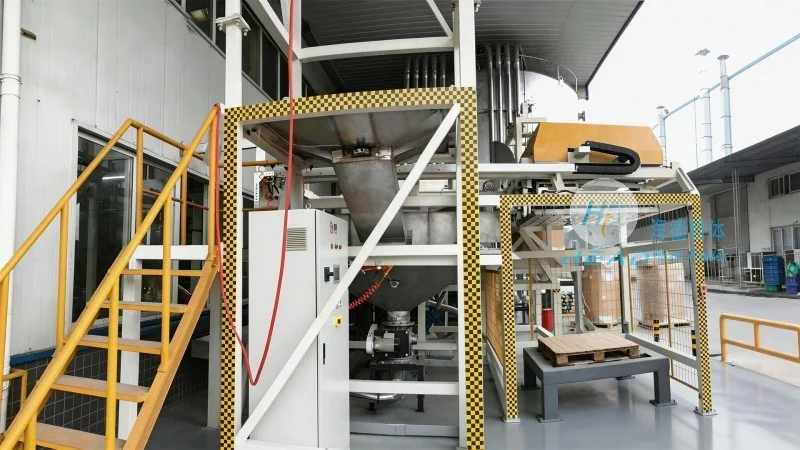
Key Components and Their Functions
Each component of the polyethylene resin powder pneumatic conveying system plays a crucial role in the overall operation. The hopper is a large container that stores the polyethylene resin powder, providing a stable source of material. It is typically equipped with a lid to prevent dust from escaping and to protect the material from contamination. The feeder is responsible for controlling the flow rate of the resin powder. A rotary valve feeder, for example, uses a rotating mechanism to meter the powder into the conveying line, ensuring a precise and consistent feed. The conveying line is the main pathway for the polyethylene resin powder and the air stream. It is designed to withstand the pressure and temperature of the conveying process and is usually made of materials that do not react with the polyethylene resin. The blower or compressor generates the air pressure needed to move the powder. This component can be a positive displacement blower or a centrifugal compressor, depending on the system's requirements. The receiver is the final destination for the polyethylene resin powder, where it is collected and prepared for further processing or storage. The receiver is often equipped with a discharge valve to control the release of the material.
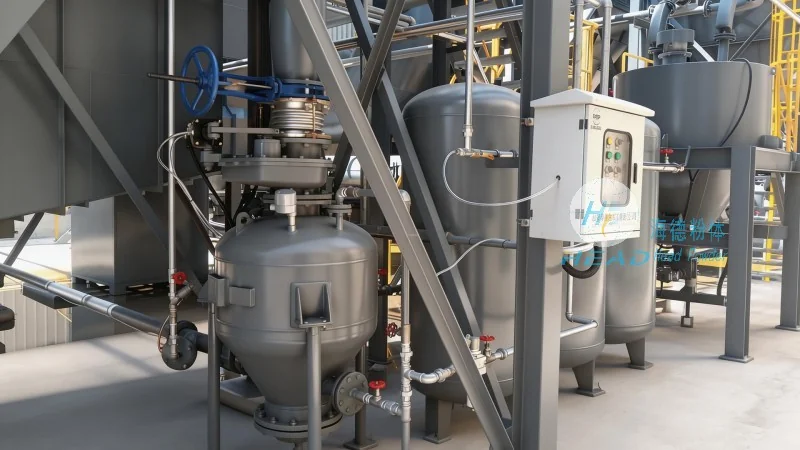
Operational Advantages of Pneumatic Conveying
Pneumatic conveying systems for polyethylene resin powders offer several operational advantages over other conveying methods. One of the primary benefits is the reduction of dust and material degradation. Unlike mechanical conveying, which can cause friction and breakage of the resin particles, pneumatic conveying uses a controlled air stream to move the powder, minimizing damage to the material. This is particularly important for polyethylene resin, which can be sensitive to mechanical stress. Another advantage is the improved safety. By containing the powder in a closed system, the risk of dust explosions or inhalation of fine particles is significantly reduced. The system also offers flexibility in terms of layout, as the conveying line can be installed in various configurations to accommodate different plant layouts. Additionally, pneumatic conveying systems are generally easier to maintain and repair compared to mechanical systems, as they have fewer moving parts and are less prone to wear and tear.
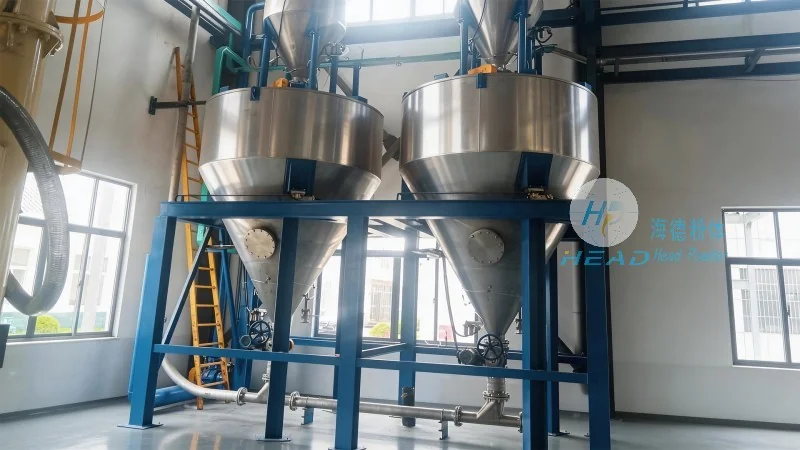
About Shandong HeadPowder Engineering Co., Ltd.
Shandong HeadPowder Engineering Co., Ltd., commonly known as headpowder, is a leading manufacturer and supplier of polyethylene resin powder pneumatic conveying systems. The company is based in Shandong, China, and has established itself as a trusted partner in the plastics and chemical industries. HeadPowder specializes in designing and manufacturing customized pneumatic conveying systems tailored to the specific needs of its clients. The company's products are known for their high quality, reliability, and efficiency, meeting the stringent requirements of modern industrial applications. HeadPowder's team of engineers and technicians is experienced in the design and implementation of pneumatic conveying systems, ensuring that each system is optimized for the specific polyethylene resin powder being handled. The company also provides comprehensive after-sales support, including maintenance, repair, and technical assistance, to ensure the long-term performance and reliability of its systems.