

Introduction to Polyacrylamide Pneumatic Conveying Systems: Structure and Working Principles
HeadPowder, a leading engineering company based in Shandong, China, specializes in the design and manufacturing of advanced polyacrylamide pneumatic conveying systems. This article provides a comprehensive overview of the structure and operational principles of such systems, highlighting their key components and functional mechanisms.
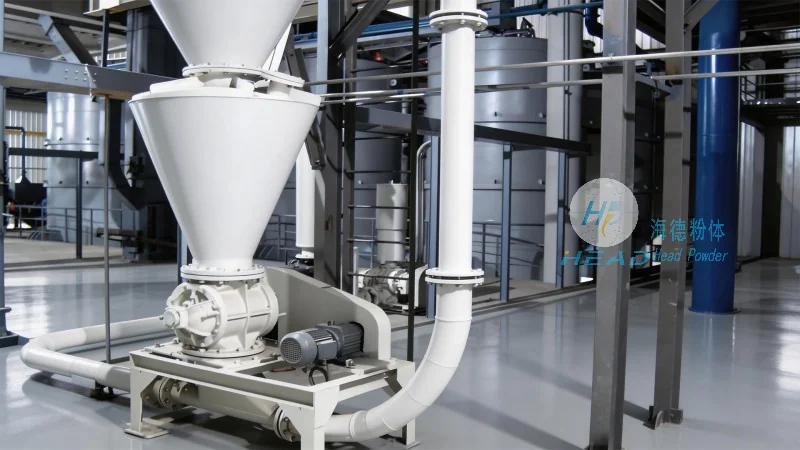
At the core of a polyacrylamide pneumatic conveying system is the efficient transport of polyacrylamide, a widely used polymer in water treatment and industrial processes. The system is engineered to handle the material's unique physical properties, ensuring reliable and low-damage transportation from the source to the destination.
Key Structural Components of the Pneumatic Conveying System
The polyacrylamide pneumatic conveying system consists of several critical components that work in tandem to achieve effective material transport. The primary components include:
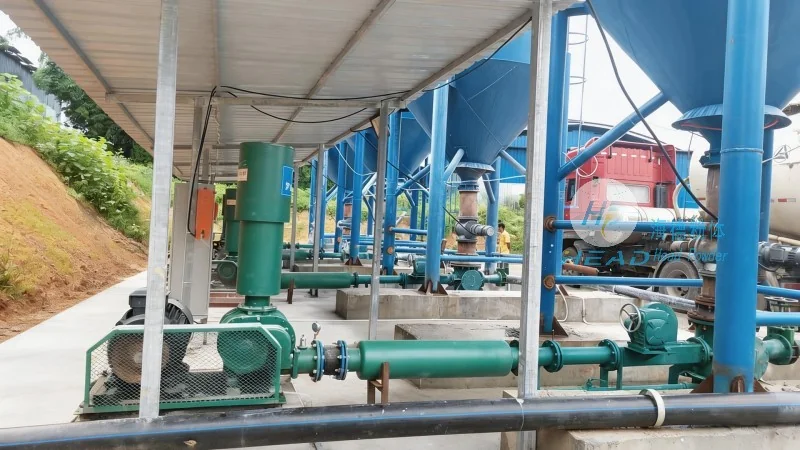
- Feeding Unit: This component is responsible for introducing the polyacrylamide material into the system. It typically features a hopper or a screw feeder that controls the material flow rate, ensuring a consistent feed into the conveying line.
- Pneumatic Conveying Line: The main pipeline through which the polyacrylamide is transported. This line is usually made of durable materials like stainless steel or special plastics to withstand the abrasive nature of the polymer and the effects of the conveying air.
- Air Supply System: Comprised of a blower or a compressor that generates the necessary air pressure and volume to create the airflow required for pneumatic transport. The system includes filters and regulators to maintain air quality and pressure stability.
- Separation and Collection Unit: This component is designed to separate the conveyed polyacrylamide from the air stream and collect it in a designated container. It may include cyclones, filters, or settling chambers to ensure efficient separation and minimal material loss.
- Control and Monitoring System: An integral part of the system that monitors and controls various parameters such as air pressure, material flow rate, and system pressure. This helps in optimizing the operation and preventing potential issues like blockages or overloading.
Working Principle of the Pneumatic Conveying System
The operation of a polyacrylamide pneumatic conveying system is based on the principle of pneumatic transport, where the material is suspended and carried by a high-velocity air stream. The process can be broken down into several stages:
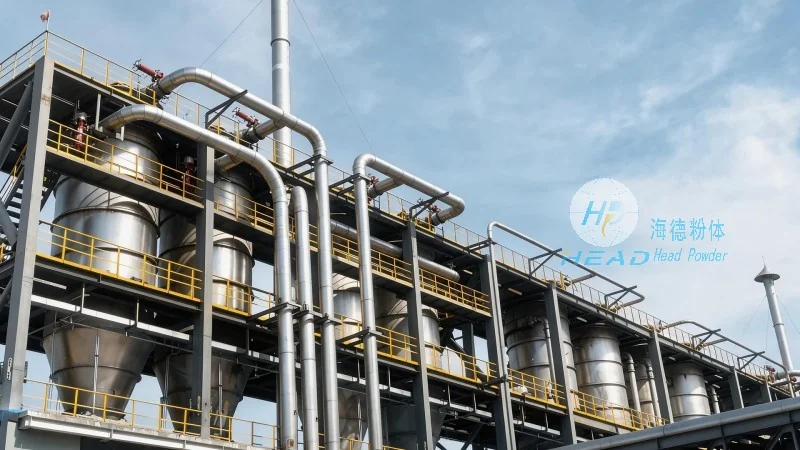
- Material Introduction: The polyacrylamide is fed into the system from the feeding unit, where it is introduced into the conveying line.
- Air Injection and Suspension: The air supply system injects high-pressure air into the conveying line, creating a turbulent airflow that suspends the polyacrylamide particles. The air velocity is maintained at a level sufficient to keep the particles in suspension without causing excessive wear or damage.
- Transportation: The suspended polyacrylamide particles are carried along the pipeline from the feeding point to the collection point. The system's design ensures that the material travels smoothly without significant segregation or degradation.
- Separation and Collection: At the receiving end, the air and polyacrylamide mixture enters the separation unit. The cyclonic action or filtration process separates the solid polyacrylamide from the air, allowing the material to be collected in a container while the air is either recirculated or discharged.
- System Regulation: The control system continuously monitors the pressure, flow rates, and other parameters, adjusting the air supply and feeding rate as needed to maintain optimal operation and prevent system failures.
Advantages of Polyacrylamide Pneumatic Conveying Systems
HeadPowder's polyacrylamide pneumatic conveying systems offer several advantages over traditional material handling methods. These include:
- Low Damage to Material: The pneumatic transport method minimizes mechanical stress on the polyacrylamide particles, preserving their integrity and effectiveness.
- Efficient and Continuous Operation: The system allows for continuous and automated material transport, reducing labor costs and improving production efficiency.
- Flexible Layout: The pneumatic conveying line can be designed in various configurations, including vertical, horizontal, or a combination of both, to fit the specific layout and space constraints of the facility.
- Reduced Maintenance: With fewer moving parts compared to mechanical conveyors, the pneumatic system requires less maintenance and has lower operational costs.
- Hygienic and Clean Operation: The enclosed pipeline design prevents contamination and dust emissions, making it suitable for applications where hygiene is critical, such as in water treatment plants.
Applications in Industrial and Environmental Sectors
Polyacrylamide, as a key flocculant in water treatment and other industrial processes, is often transported using pneumatic conveying systems. These systems are widely used in: