

Introduction to the Structure and Working Principle of Soybean Protein Powder Pneumatic Conveying Sy
For industrial applications that require efficient and hygienic handling of soybean protein powder, pneumatic conveying systems offer a reliable solution. This article provides an overview of the structure and operational principles of such systems, highlighting the key components and how they work together to ensure optimal performance in material transport.
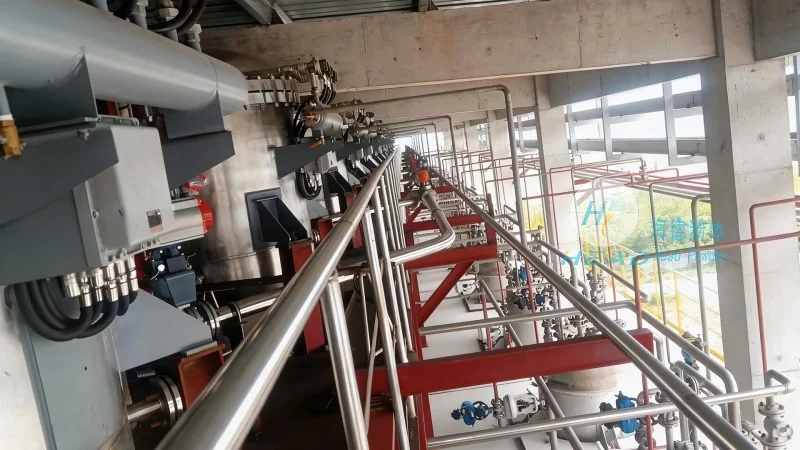
Overview of Soybean Protein Powder Pneumatic Conveying Systems
Soybean protein powder is widely used in food, feed, and pharmaceutical industries due to its high nutritional value and versatility. However, its fine particle size and hygroscopic nature make traditional mechanical conveying methods less effective and potentially damaging to the product. Pneumatic conveying systems address these challenges by using air or gas to transport the powder through a pipeline network, minimizing product degradation and ensuring a clean, dust-free operation.
Key Components of the Pneumatic Conveying System
The soybean protein powder pneumatic conveying system typically consists of several critical components, each playing a vital role in the overall operation. These include:
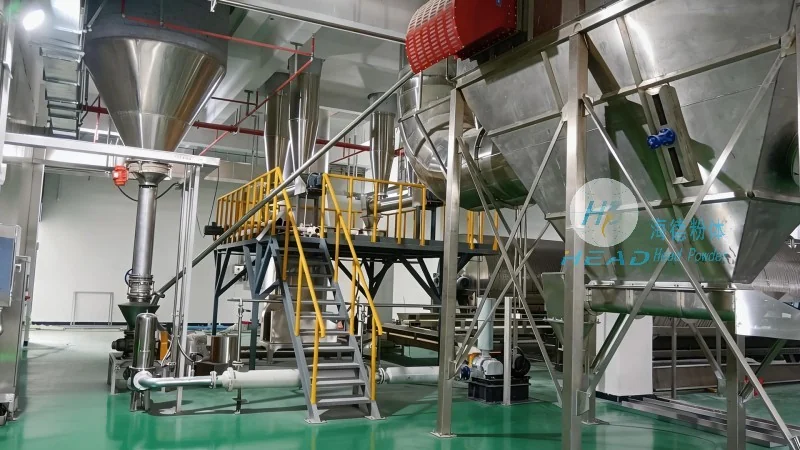
- Feed Hopper: A container that stores the soybean protein powder and feeds it into the system at a controlled rate. The hopper is designed with a smooth interior to prevent product buildup and ensure consistent flow.
- Air Compressor: Provides the necessary pressure and volume of air to move the powder through the pipeline. The compressor is selected based on the system's capacity and the distance the powder needs to travel.
- Conveying Pipeline: A network of pipes that transports the powder and air mixture. The pipeline is usually made of stainless steel or other corrosion-resistant materials to maintain product purity and prevent contamination.
- Control Valves and Regulators: Used to regulate the air flow and pressure, ensuring stable operation and preventing overpressurization or underpressurization that could affect system efficiency.
- Receiver Tank: A storage vessel where the soybean protein powder is deposited after being conveyed. The tank is equipped with dust collection systems to capture any airborne particles and maintain a clean environment.
Working Principle of the Pneumatic Conveying Process
The operation of the soybean protein powder pneumatic conveying system follows a systematic process. Initially, the soybean protein powder is fed from the hopper into the pipeline. Simultaneously, the air compressor supplies compressed air into the pipeline. The air and powder mixture is then propelled through the pipeline by the pressure differential created by the compressor. As the mixture travels, the powder particles are suspended in the air stream, allowing them to be transported efficiently over long distances without the need for mechanical components that could cause product attrition.
Advantages of Using Pneumatic Conveying for Soybean Protein Powder
Implementing a pneumatic conveying system for soybean protein powder offers several advantages over traditional methods. These include:
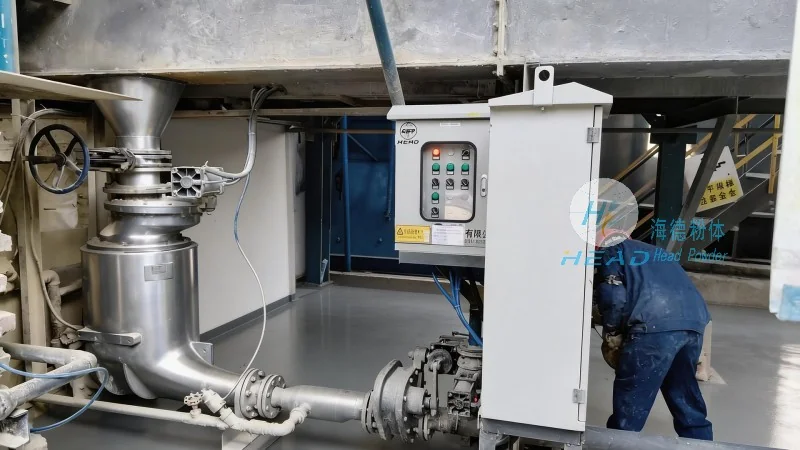
- Hygienic and Clean Operation: The enclosed pipeline system prevents contamination from external sources and minimizes dust generation, which is crucial for food and pharmaceutical applications.
- Efficient Material Transport: The system can handle fine powders over long distances with minimal pressure loss, ensuring consistent flow rates and reducing downtime.
- Reduced Product Degradation: By avoiding mechanical contact and minimizing particle friction, the system preserves the quality and nutritional value of the soybean protein powder.
- Flexible and Scalable: The design allows for easy expansion or modification of the system to accommodate changing production needs or facility layouts.
Application Scenarios and Considerations
Soybean protein powder pneumatic conveying systems are suitable for various applications, including:
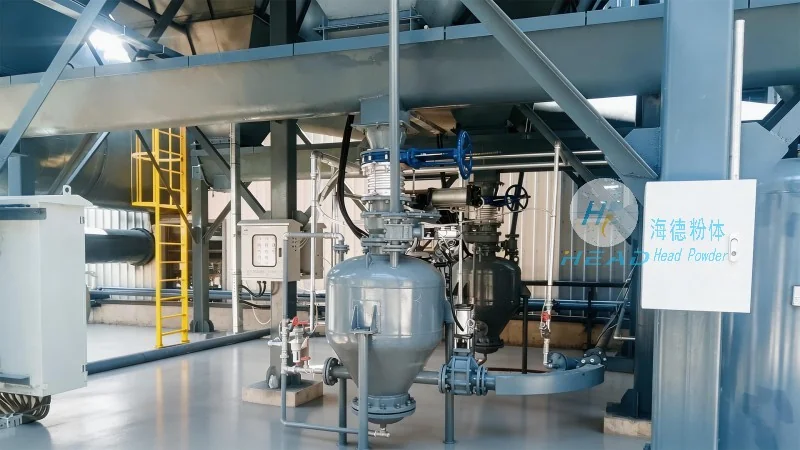
- Transporting powder from storage silos to processing lines in food manufacturing plants.
- Conveying material between different processing stages in feed production facilities.
- Transferring powder to packaging lines in pharmaceutical and nutraceutical industries.
When selecting a pneumatic conveying system, several factors should be considered, such as the powder's bulk density, flowability, and moisture content. These characteristics influence the system's design, including the type of air compressor, pipeline diameter, and control mechanisms required for optimal performance.
Conclusion
Shandong HeadPowder Engineering Co., Ltd. specializes in designing and manufacturing high-quality pneumatic conveying systems tailored to the specific needs of soybean protein powder handling. With a focus on efficiency, hygiene, and product preservation, these systems provide reliable solutions for industries seeking to enhance their material transport processes. Based in China, the company leverages advanced engineering and manufacturing capabilities to deliver systems that meet international standards and customer requirements.