

Introduction to Caustic Soda Pneumatic Conveying Equipment: Structure and Working Principle
Caustic soda, also known as sodium hydroxide, is a widely used chemical in various industrial processes, including chemical manufacturing, water treatment, and textile production. The efficient and safe handling of caustic soda is crucial for industrial operations, and pneumatic conveying systems have emerged as a preferred solution for transporting this hazardous material. This article provides an overview of caustic soda pneumatic conveying equipment, detailing its structure and working principles to help industrial professionals understand its functionality and benefits.
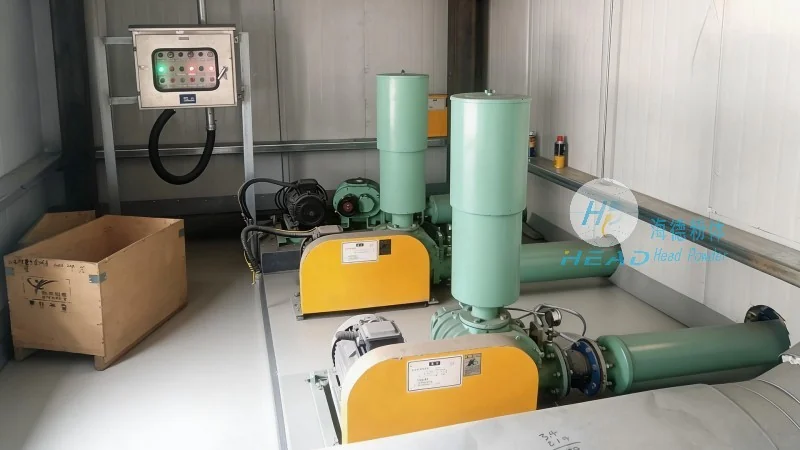
Company Profile: Shandong HeadPowder Engineering Co., Ltd.
HeadPowder, the professional manufacturer behind this equipment, is a leading company in the chemical processing equipment industry. With a strong commitment to quality and innovation, Shandong HeadPowder Engineering Co., Ltd. specializes in designing and manufacturing advanced pneumatic conveying systems tailored to the needs of chemical and industrial sectors. The company's expertise in material handling technology ensures that their products meet the highest standards of safety, efficiency, and reliability.
Structural Overview of the Pneumatic Conveying System
The caustic soda pneumatic conveying system typically consists of several key components that work in tandem to transport the material. The main structure includes a hopper for material storage, a rotary valve for controlled discharge, a pipeline system for material transport, and a receiver for material discharge at the destination. The system may also incorporate a dust collector and a filter to ensure environmental compliance and operational safety.
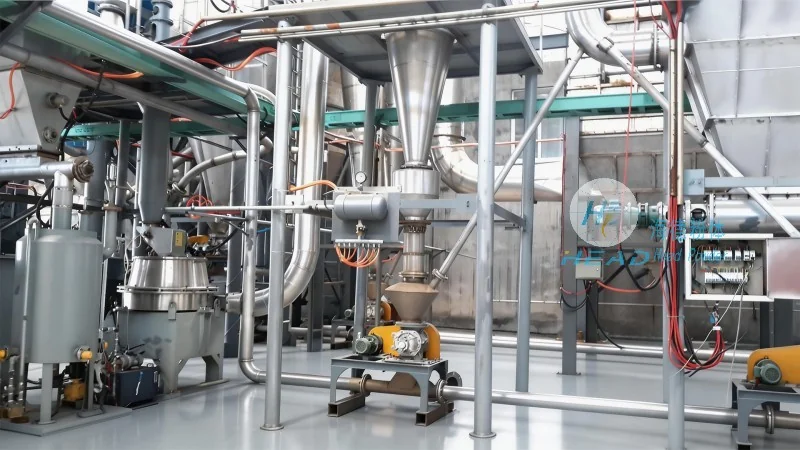
Working Principle and Operational Mechanism
The operation of the pneumatic conveying system relies on the principle of air flow to move the caustic soda particles through the pipeline. When the system is activated, a fan or blower generates a high-pressure air stream that pulls the material from the hopper into the pipeline. The material is then carried along the pipeline to the receiver, where it is deposited. The system can operate in either positive or negative pressure modes, depending on the specific requirements of the application.
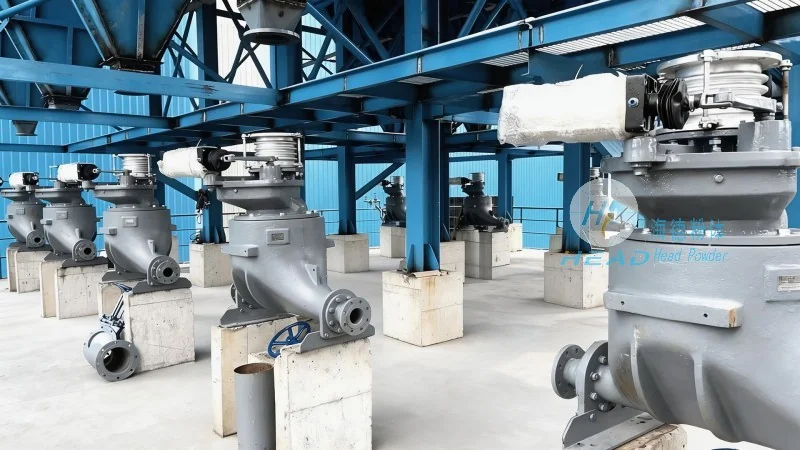
Key Components and Their Functions
Several critical components contribute to the effective operation of the caustic soda pneumatic conveying system. The hopper serves as the primary storage container, maintaining a consistent material level and preventing blockages. The rotary valve, located at the bottom of the hopper, controls the flow of material into the pipeline, ensuring a steady and controlled discharge. The pipeline system, made of corrosion-resistant materials such as stainless steel, transports the material while minimizing material degradation and contamination. The receiver, equipped with a discharge valve, collects the material at the destination and allows for easy unloading. Additionally, the dust collector and filter system capture any airborne particles, ensuring compliance with environmental regulations and maintaining a safe working environment.
Application Scenarios and Industry Relevance
Caustic soda pneumatic conveying equipment is widely used in various industrial applications where the safe and efficient transport of caustic soda is essential. In chemical manufacturing plants, it is used to move caustic soda between production units, such as from storage to reaction vessels. In water treatment facilities, the system helps transport caustic soda for pH adjustment and water purification processes. The equipment is also utilized in the textile and paper industries for processing and treatment operations. The reliability and efficiency of the pneumatic conveying system make it an indispensable tool for industries that handle caustic soda, ensuring smooth operations and minimizing downtime.