

Introduction to Foam Plastic Pneumatic Conveying Systems: Structure and Working Principles
Foam plastic pneumatic conveying systems represent a sophisticated method for transporting lightweight, low-density materials such as foam plastics. These systems utilize air or gas as the primary medium to move materials through a network of pipes and components, offering advantages like dust-free operation, reduced material degradation, and efficient handling of fragile or hygroscopic materials. The technology has become increasingly vital in industries where foam plastics are processed, from manufacturing to packaging, due to its ability to maintain material integrity while ensuring seamless material flow.
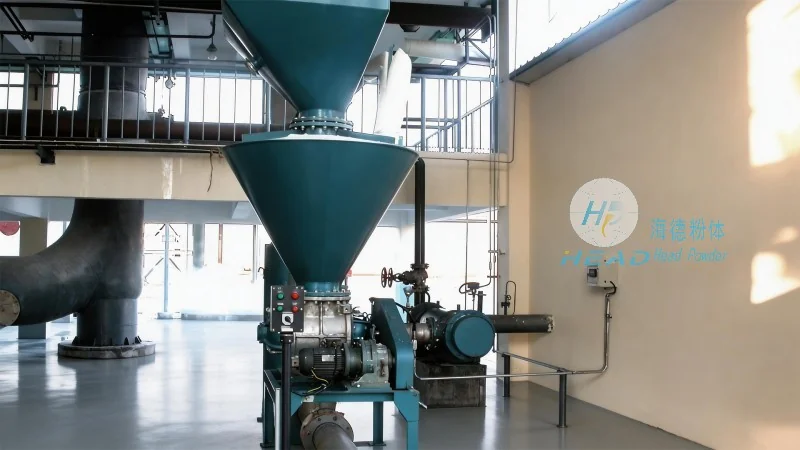
Structural Components and Working Principles
A typical foam plastic pneumatic conveying system consists of several key components, each playing a crucial role in the overall operation. The system begins with a feeding device, which can be a hopper or a rotary valve, designed to introduce the foam plastic material into the conveying line. This is followed by the conveying line itself, which may include straight sections, bends, and expansion or contraction sections to accommodate changes in material flow and pressure. The line is connected to a separator, which separates the conveying air from the material, often using cyclonic or bag-type filtration. Finally, the material is collected in a receiving hopper or container, while the air is either vented or recirculated, depending on the system design.
The working principle revolves around the creation of a pressure differential. In a positive pressure system, air is blown into the conveying line, pushing the material forward. In a negative pressure (or suction) system, air is drawn out, creating a vacuum that pulls the material through the line. For foam plastics, which are often lightweight and prone to static, the system may incorporate additional features like static eliminators or anti-static coatings to prevent material buildup and ensure smooth flow. The choice between positive and negative pressure depends on factors such as material properties, system layout, and operational requirements.
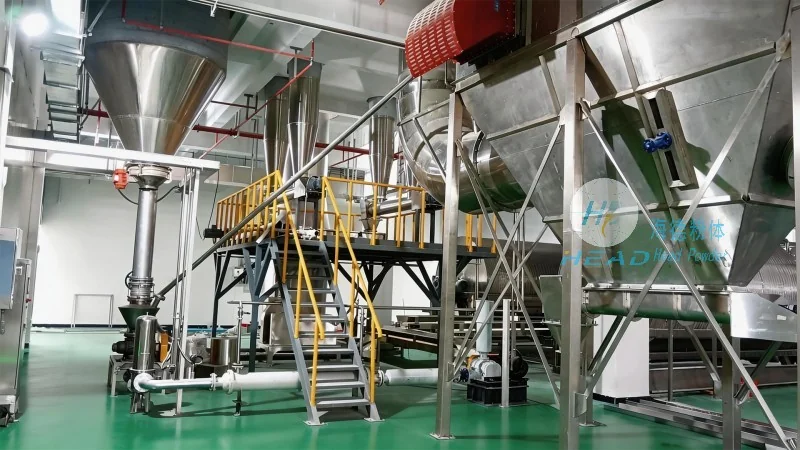
About Shandong HeadPowder Engineering Co., Ltd.
Headpowder, the brand name of Shandong HeadPowder Engineering Co., Ltd., is a leading manufacturer and supplier of pneumatic conveying systems, specializing in solutions tailored for foam plastic applications. With a strong presence in China, particularly in Shandong province, the company has built a reputation for delivering high-quality, reliable equipment that meets the specific needs of the foam plastic industry. Headpowder's team of engineers and technicians leverages years of experience and advanced technology to design and manufacture systems that optimize material handling efficiency, reduce downtime, and enhance overall operational performance.
The company's commitment to innovation is evident in its product development, where continuous research and development focus on improving system performance, energy efficiency, and environmental compliance. Headpowder's systems are engineered to handle a wide range of foam plastic types, from low-density polyethylene foams to expanded polystyrene, ensuring compatibility with various production processes and material characteristics. By prioritizing customer needs and providing comprehensive technical support, Headpowder has established itself as a trusted partner for businesses seeking efficient and effective pneumatic conveying solutions.
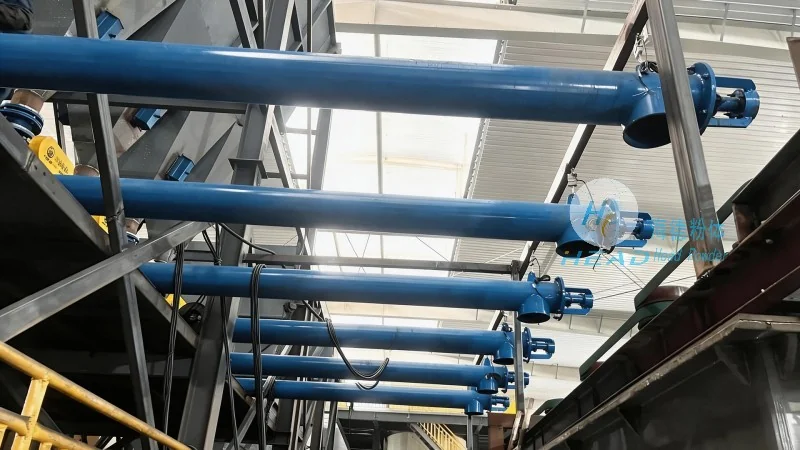
Advantages and Applications in Foam Plastic Processing
The adoption of foam plastic pneumatic conveying systems in the foam plastic industry brings numerous benefits, making it a preferred choice over traditional methods like belt conveyors or manual handling. One of the primary advantages is the elimination of dust and airborne particles, which is critical for maintaining a clean and safe working environment, especially in facilities where foam plastics are processed or handled. This not only improves workplace safety but also reduces the risk of material contamination, which can affect the quality of the final product.
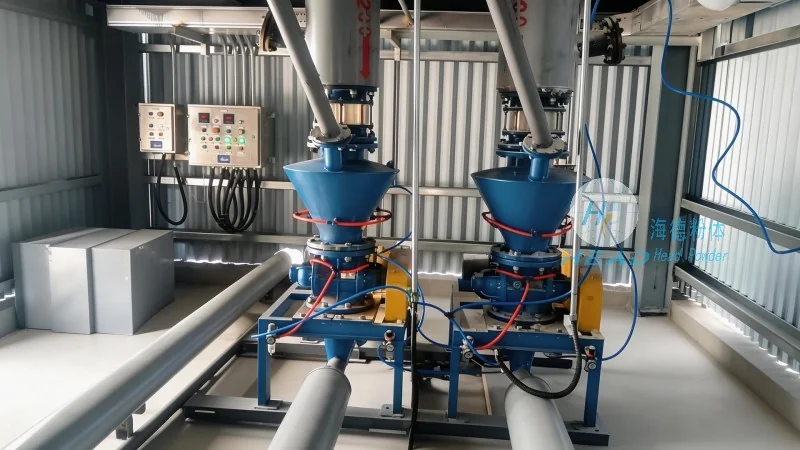
Another key advantage is the preservation of material integrity. Foam plastics are often delicate and can be easily damaged by mechanical contact or friction. Pneumatic conveying systems minimize these risks by using air as the conveying medium, reducing the likelihood of material breakage or degradation. This is particularly important for applications where the foam's structure and properties are critical, such as in packaging, insulation, or automotive parts manufacturing.
Additionally, pneumatic conveying systems offer high efficiency and flexibility. They can handle varying material loads and flow rates, adapting to the dynamic needs of production lines. The modular design of these systems allows for easy integration with existing production equipment, enabling businesses to upgrade their material handling capabilities without major disruptions. Whether used for short-distance or long-distance transport, the systems can be customized to meet specific operational requirements, ensuring optimal performance and cost-effectiveness.