

Introduction to and Structural Principles of Limestone and Gypsum Pneumatic Conveying Systems
For industrial applications that require the efficient and reliable transport of bulk materials such as limestone and gypsum, pneumatic conveying systems offer a robust solution. This article provides an overview of the key components, operational principles, and structural design of such systems, highlighting the technology's benefits and practical implementation.
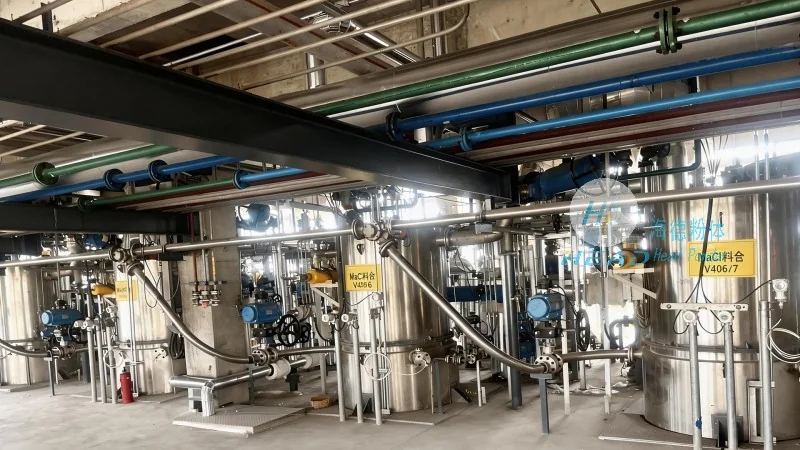
Overview of Pneumatic Conveying Systems
Pneumatic conveying systems utilize air or gas to transport dry bulk materials through a pipeline network. These systems are widely used in industries like mining, construction, and chemical processing due to their ability to handle a variety of materials, including fine powders like limestone and gypsum, with minimal product degradation. The core of a pneumatic conveying system consists of several key components that work in tandem to ensure smooth material transport.
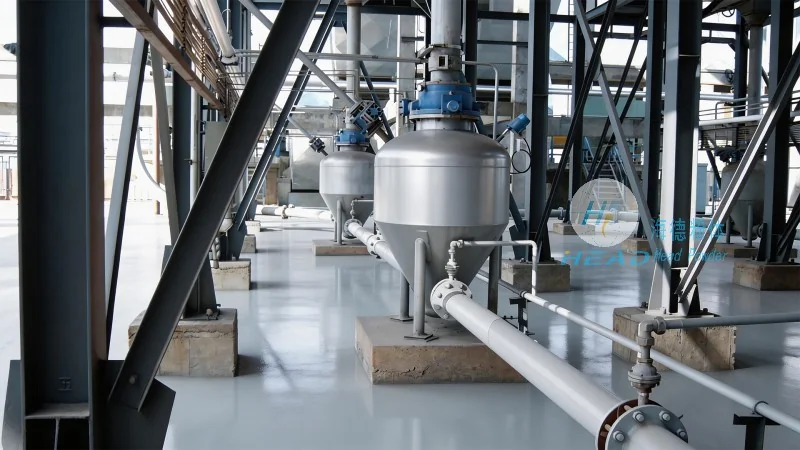
Key Components of Limestone and Gypsum Pneumatic Conveying Lines
The primary components of a pneumatic conveying line for limestone and gypsum include the material feed hopper, the conveying pipeline, the air or gas source (usually a blower or compressor), and the control system. The material feed hopper is designed to store and feed the bulk material into the system at a controlled rate, preventing blockages and ensuring consistent flow. The conveying pipeline is typically made of corrosion-resistant materials like stainless steel or plastic to accommodate the chemical properties of limestone and gypsum, which may be acidic or abrasive. The air source provides the necessary pressure and volume to move the material through the pipeline, while the control system monitors and adjusts the flow rate, pressure, and other parameters to maintain optimal performance.
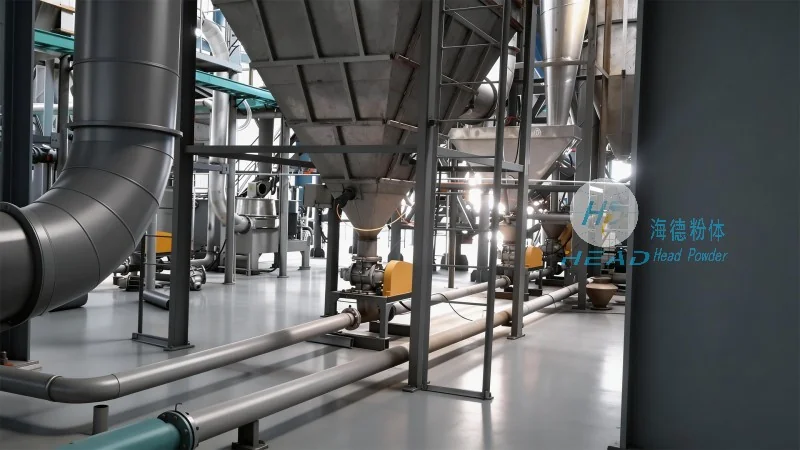
Structural Design and Operational Principles
The structural design of a pneumatic conveying system for limestone and gypsum is tailored to handle the specific characteristics of these materials. For example, limestone and gypsum are often fine powders that can cause clogging if not handled properly. Therefore, the system incorporates features such as airlocks, rotary valves, and pulse jet cleaning mechanisms to prevent material buildup and ensure continuous operation. The operational principle involves feeding the material into the pipeline at a controlled rate, mixing it with the air stream, and transporting it to the discharge point. The air velocity within the pipeline is critical; it must be high enough to keep the material suspended but not so high as to cause excessive wear on the pipeline or equipment.
Benefits of Using Pneumatic Conveying Systems
Implementing a pneumatic conveying system for limestone and gypsum offers several advantages over traditional methods like belt conveyors or bucket elevators. These systems are more hygienic and dust-free, reducing the risk of contamination and improving workplace safety. They also provide greater flexibility in terms of layout, as the pipeline can be installed in various configurations to suit the plant's layout. Additionally, pneumatic conveying systems can handle materials with higher moisture content and are less prone to material degradation, which is crucial for maintaining the quality of limestone and gypsum used in applications like cement production or construction materials.
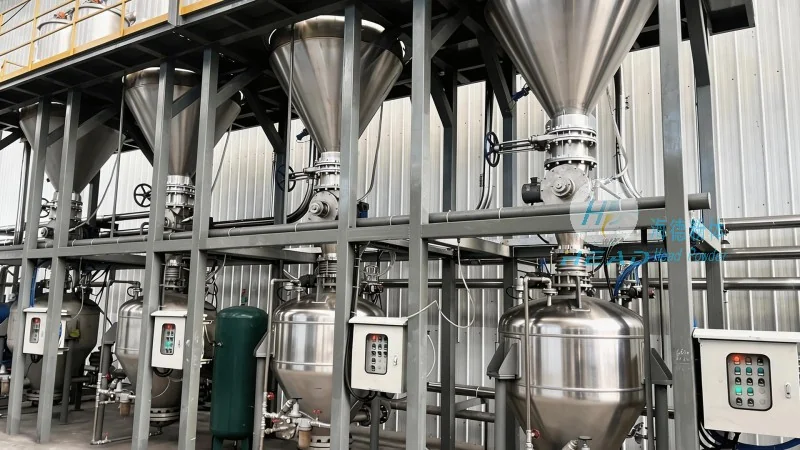
Application Examples and Industry Impact
Pneumatic conveying systems are widely used in the production of cement, where limestone is a primary raw material. The systems efficiently transport limestone from storage silos to the grinding mills, ensuring a consistent supply of raw material. Similarly, in the production of gypsum products, such as drywall, pneumatic conveying systems transport gypsum from storage to the manufacturing lines. The reliability and efficiency of these systems contribute to increased productivity and reduced downtime in industrial operations.