

Introduction to the Structure and Working Principle of Beer Brewery Solids Pneumatic Conveying Line
Beer brewery solids pneumatic conveying lines are essential equipment in modern brewing operations, particularly for the efficient handling of spent grain, also known as brewery solids or beer slops. These systems play a crucial role in managing the byproducts of the brewing process, ensuring smooth production workflows and environmental compliance. This article provides an overview of the structure and working principle of such systems, highlighting their importance in the beer industry.
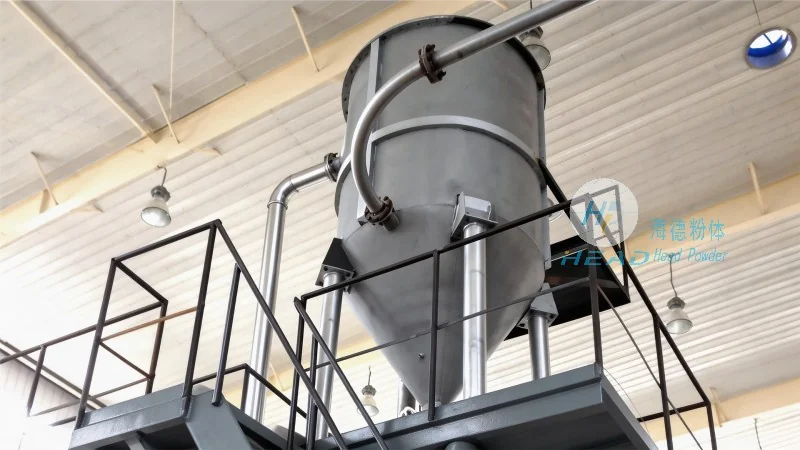
Company Profile: Shandong HeadPowder Engineering Co., Ltd.
HeadPowder, a leading engineering firm based in Shandong, China, specializes in the design, manufacturing, and installation of advanced pneumatic conveying solutions for various industries, including food and beverage. With a strong commitment to innovation and quality, the company has established itself as a trusted partner for breweries seeking reliable and efficient equipment for their solid waste management needs. HeadPowder's expertise in engineering and material handling ensures that their systems are tailored to meet the specific requirements of each brewery, optimizing performance and reducing operational costs.
Structure of Beer Brewery Solids Pneumatic Conveying Lines
The typical structure of a beer brewery solids pneumatic conveying line consists of several key components that work in tandem to transport solid materials. The main components include the material feeding unit, the conveying pipeline, the air supply system, the separation and collection system, and the control unit. Each component is designed to perform a specific function, ensuring the efficient and safe transport of brewery solids from the production area to the disposal or processing site.
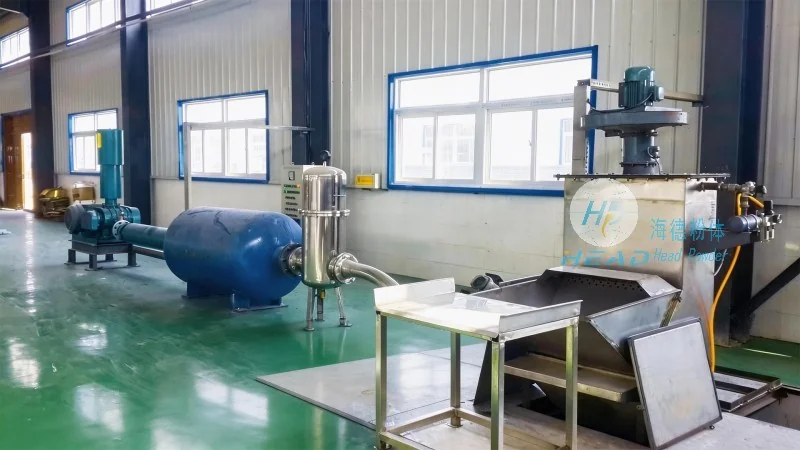
The material feeding unit is responsible for introducing the solid waste, such as spent grain, into the conveying system. This unit may include a hopper or a screw feeder, which ensures a consistent and controlled flow of material into the system. The conveying pipeline is typically made of stainless steel or other corrosion-resistant materials to withstand the acidic and moist conditions of brewery waste. The air supply system provides the necessary pressure and volume of air to move the solids through the pipeline. This system may include a blower or a compressor, which generates the required airflow. The separation and collection system is crucial for separating the solid material from the air after it has been conveyed. This unit may include a cyclone separator or a bag filter, which collects the solids and returns the air to the system or to the environment. The control unit manages the operation of the entire system, monitoring parameters such as pressure, flow rate, and temperature to ensure optimal performance.
Working Principle of Beer Brewery Solids Pneumatic Conveying Lines
The working principle of a beer brewery solids pneumatic conveying line is based on the use of air to transport solid materials. The process begins with the material being fed into the system from the production area. The air supply system then generates a high-pressure airflow, which is introduced into the conveying pipeline. As the air flows through the pipeline, it carries the solid particles along with it, creating a mixture of air and solids. The mixture moves through the pipeline to the separation and collection system, where the solids are separated from the air. The separated solids are then collected and transported to the disposal or processing site, while the air is either recirculated or released to the environment. The control unit monitors the entire process, adjusting the airflow and pressure as needed to maintain optimal performance.
Key Features and Benefits of Beer Brewery Solids Pneumatic Conveying Lines
Beer brewery solids pneumatic conveying lines offer several key features and benefits that make them an ideal choice for breweries. One of the main advantages is their ability to handle large volumes of solid waste efficiently and continuously. This reduces the need for manual handling and improves overall production efficiency. Another benefit is the reduced risk of contamination and cross-contamination, as the system is enclosed and operates under controlled conditions. Additionally, the system is designed to minimize dust and odor emissions, contributing to a cleaner and more environmentally friendly operation. The use of stainless steel and other corrosion-resistant materials ensures durability and long-term performance, reducing maintenance costs and downtime.
Application in Beer Production
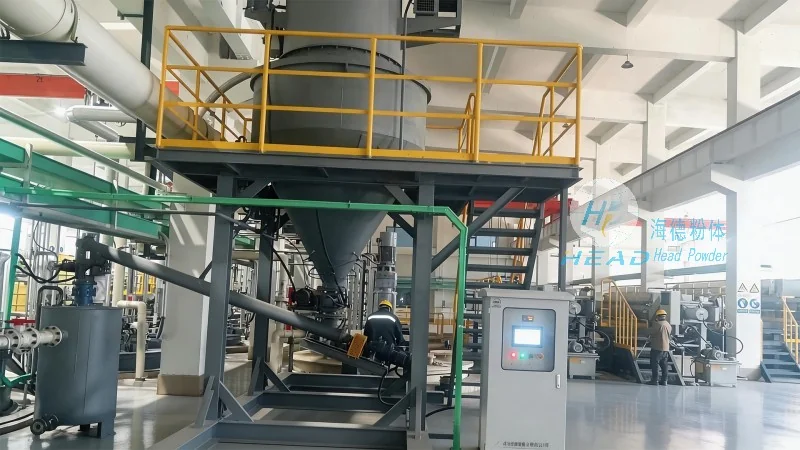
In the context of beer production, beer brewery solids pneumatic conveying lines are primarily used for the handling of spent grain, which is the solid byproduct of the mashing and lautering processes. These systems are used to transport the spent grain from the brewhouse to the drying or composting facility. The efficient handling of spent grain is crucial for maintaining the quality of the final product and ensuring compliance with environmental regulations. By using a pneumatic conveying system, breweries can achieve a more streamlined and automated process, reducing labor costs and improving overall operational efficiency.
Conclusion
Beer brewery solids pneumatic conveying lines are a critical component of modern brewing operations, providing an efficient and reliable solution for handling brewery solids. The structure and working principle of these systems are designed to meet the specific needs of the beer industry, ensuring optimal performance and environmental compliance. With the expertise of companies like Shandong HeadPowder Engineering Co., Ltd., breweries can benefit from advanced pneumatic conveying solutions that enhance their production processes and contribute to their long-term success.